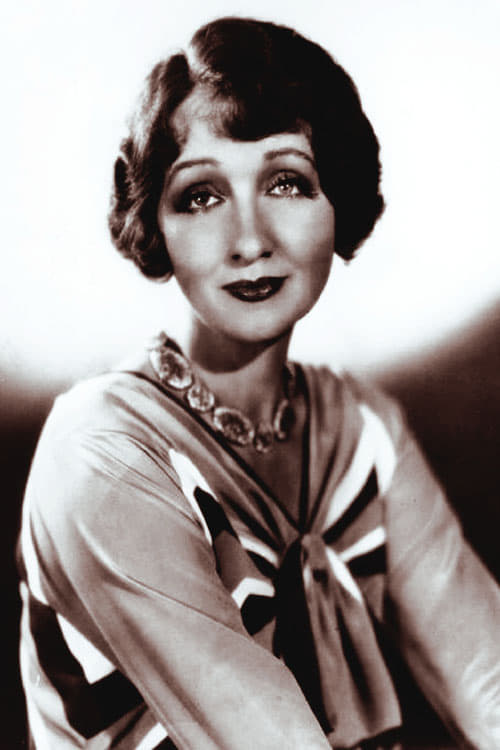
Hedda Hopper's Hollywood No. 3
1942
No user ratings available yet
Representation score: 0.5 out of 10
Representation Score
Minimal
1935
ApprovedDirector
Herbert Moulton
Runtime
10 minutes
Average Rating
No ratings yetNew Showbiz Analysis
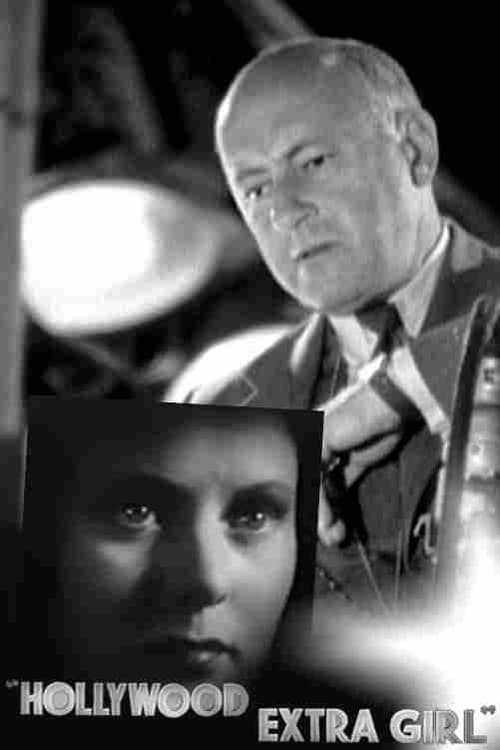
Hollywood Extra Girl offers a historical perspective on the labor of background performers during a DeMille production. It highlights women's roles in the film industry but does not challenge the era's power structures. The film is a product of its time, reflecting the social and industrial constraints of 1935. It focuses on the mechanics of a highly organized, capitalist enterprise without exploring multi-layered complexities. Ultimately, it serves as an observational document of the Golden Age rather than a progressive narrative.
Category Breakdown
The film does not include any LGBTQ+ characters or stories. It follows the traditional social norms of the 1930s film environment.
Women play important roles in the film industry, but they work within a male-dominated studio system and traditional hierarchies.
The documentary reflects the homogeneous casting practices of the 1930s. There is no significant racial or ethnic diversity among the background performers.
The film celebrates the Hollywood studio system and the Western dream of fame. It emphasizes industrial success without challenging Western institutions.
The film does not include characters with physical or neurodivergent disabilities. The focus remains on the era's specific aesthetic standards for extras.
Present on Screen
Limited or Absent
Official Synopsis
A short semi-documentary about a "typical extra girl" on a DeMille film.
1942

1927
1936
1935
1963
1951
1938
1925
No reviews yet. Be the first to share your thoughts on this movie!
Use the rating form above to leave a star rating and optional review.