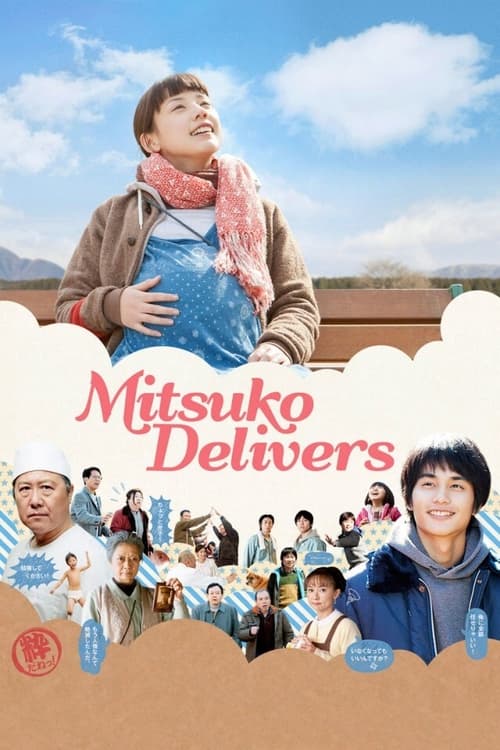
Mitsuko Delivers
2011
No user ratings available yet
Representation score: 5.9 out of 10
Representation Score
Excellent
2001
Director
Ryosuke Hashiguchi
Runtime
135 minutes
Average Rating
No ratings yetNew Showbiz Analysis
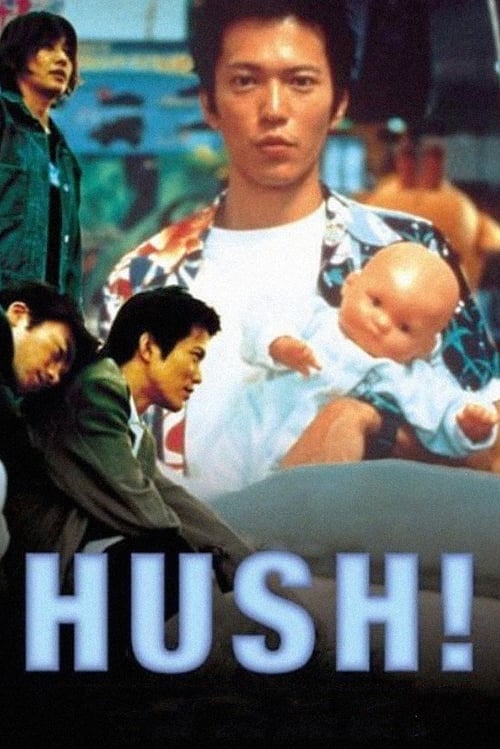
Hush! stands out by centering a queer relationship as the primary emotional driver of the plot. The tension between an openly queer partner and a closeted one provides a nuanced look at identity politics within a domestic setting. The film also excels in presenting complex women's ability to drive the story. Asako's history of reproductive choices and mental health struggles avoid traditional feminine clichés, offering a realistic portrayal of a disruptive character. However, the film remains a localized, homogeneous study of Japanese urban life, lacking racial and ethnic diversity within the cast.
Category Breakdown
The film centers around a queer relationship between Naoya and Katsuhiro, exploring the tension between Naoya's openness and Katsuhiro's closeted nature. This disrupts the typical focus on heterosexual relationships.
Asako challenges traditional feminine roles through her psychiatric history and reproductive choices. The film gives female characters complex, disruptive roles that complicate male-centric narratives.
The cast is predominantly homogeneous, reflecting the specific cultural landscape of urban Japan. It functions as a localized study rather than a multi-ethnic or globalized narrative.
The story emphasizes individual experiences over traditional family or religious norms, focusing on characters living on the periphery of societal norms and institutional stability.
Mental health and psychiatric history are woven into character development, particularly through Asako. The narrative presents psychological struggles as an integral part of her complex identity.
Present on Screen
Limited or Absent
Official Synopsis
Naoya and Katsuhiro are boyfriends, new in their relationship. Things are uneven at first—Naoya is open and free while Katsuhiro is cautious and closeted—but nothing compares to the chaos that arrives when Asako, a troubled woman with a history of psychiatric problems, abortions, and casual sex, asks Katsuhiro to conceive a child with her.
2011

2004

2004

2014

1995

2004
2005

2021
No reviews yet. Be the first to share your thoughts on this movie!
Use the rating form above to leave a star rating and optional review.