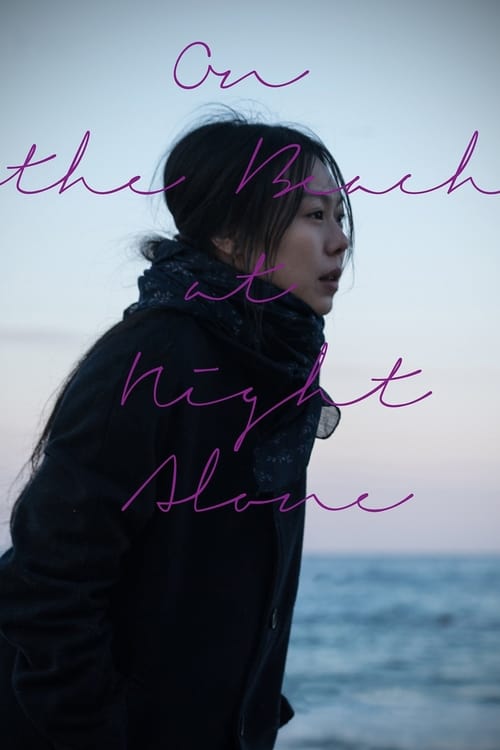
On the Beach at Night Alone
2017
No user ratings available yet
Representation score: 7.4 out of 10

Representation Score
Fair
2018
UnratedDirector
Hong Sang-soo
Runtime
68 minutes
Average Rating
No ratings yetNew Showbiz Analysis
Hong Sang-soo’s film is a formal exercise in challenging narrative norms rather than a vehicle for explicit identity politics. It disrupts traditional hierarchies by centering the 'visionary' role in a child's hands, offering a sophisticated, female-driven perspective. However, the work lacks diverse representation. It does not feature LGBTQ+ identities or disabilities, focusing instead on a localized South Korean reality. Ultimately, the film provides a non-traditional viewing experience through its deconstruction of reality, even if it avoids overt political or social commentary.
Category Breakdown
The film does not include LGBTQ+ characters or explore non-straight relationships. The story revolves around a young girl and a woman facing professional challenges.
The narrative centers on a young female protagonist whose role is defined by her observational skills. It emphasizes a female perspective, shifting power dynamics away from traditional patriarchal structures.
A predominantly Korean cast offers an authentic portrayal of South Korean life. The film highlights cultural specificity within its regional context without blending different cultures.
The film uses a modern architectural style to challenge singular truths through subjective experiences. It presents social structures and professional issues with empathy rather than moral judgment.
There are no explicit depictions of physical or neurological disabilities. However, the film's visual techniques may symbolically represent altered sensory perceptions.
Present on Screen
Limited or Absent
Official Synopsis
The story of female friendship as Frenchwoman Claire helps the subject of her photograph, Min-Hee, discover why she was fired without apparent cause.
2017

2020

2024

2014
2011
2018
2005

2023
No reviews yet. Be the first to share your thoughts on this movie!
Use the rating form above to leave a star rating and optional review.