Midnight Diner 2
2016
No user ratings available yet
Representation score: 7.7 out of 10
Representation Score
Excellent
2006
Director
Naoko Ogigami
Runtime
102 minutes
Average Rating
No ratings yetNew Showbiz Analysis
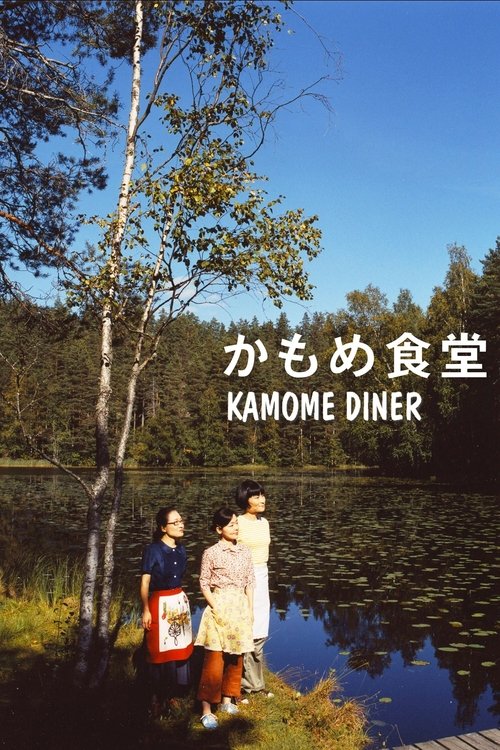
Kamome Diner is a thoughtful exploration of cultural displacement and female autonomy. It excels by highlighting the immigrant experience and challenging traditional patriarchal structures through strong female characters. The film's strength lies in its natural depiction of multiculturalism and its rejection of conventional gender hierarchies. It favors human connections over rigid social or religious institutions. However, the narrative does not intentionally address LGBTQ+ or disability issues. While it avoids harmful stereotypes, these identities are not central to the storytelling.
Category Breakdown
The film emphasizes platonic friendships and the idea of a chosen family rather than focusing on romantic relationships between LGBTQ+ individuals. It avoids harmful stereotypes but does not explicitly identify characters as part of the LGBTQ+ community.
The movie highlights the economic independence and leadership of female characters. Sachiko is portrayed as a successful businesswoman who drives the story through her professional and personal decisions.
By setting the story in Helsinki with Japanese characters, the film challenges Western-centric norms. It uses food and cultural exchange to create a natural, multicultural environment centered around a non-white protagonist.
The story focuses on human connections and a 'slow living' lifestyle, moving away from traditional institutional structures. It gently questions social norms by emphasizing found families over the nuclear family structure.
The film does not significantly address visible or invisible disabilities in the main characters' stories. It avoids using disability as a plot device or for inspirational purposes.
Present on Screen
Limited or Absent
Official Synopsis
On a quiet street in Helsinki, Sachie has opened a diner featuring rice balls. For a month she has no customers. Then, in short order, she has her first customer, meets Midori, a gangly Japanese tourist, and invites her to stay with her.
2016

2001
2009

2018
2010

2008

2014
1993
No reviews yet. Be the first to share your thoughts on this movie!
Use the rating form above to leave a star rating and optional review.