Three Years Without God
1976
No user ratings available yet
Representation score: 3.6 out of 10
Representation Score
Good
1965
Not RatedDirector
Seijun Suzuki
Runtime
96 minutes
Average Rating
No ratings yetNew Showbiz Analysis
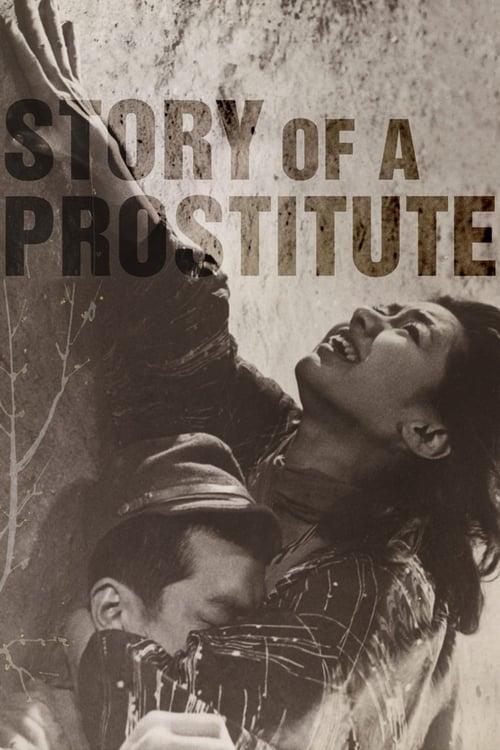
Seijun Suzuki’s work challenges traditional genre conventions to critique systemic corruption. While the demographic makeup remains largely traditional, the film’s narrative structure is progressive in dismantling authority. The film uses Harumi’s experience to explore the exploitation inherent in military and social hierarchies. This focus allows for a nuanced examination of power dynamics despite a lack of diverse casting. Ultimately, the film goes beyond simple inclusion by using its characters to question the institutions that shape their lives.
Category Breakdown
The film focuses on a heterosexual relationship between Harumi and Mikami. There is no representation of LGBTQ+ identities or same-sex storylines, sticking to conventional romantic structures.
The film highlights Harumi's emotional journey against patriarchal forces. It contrasts the harsh masculinity of Narita with the gentle nature of Mikami.
The cast is primarily made up of people from a similar background, reflecting its specific Japanese historical setting. While it lacks cross-cultural diversity, it showcases socioeconomic differences among its characters.
The film critiques strict institutional hierarchies and state-sanctioned abuse. It depicts military codes of honor as oppressive systems rather than noble ideals.
There is no significant or intentional depiction of physical or neurodivergent disabilities. Character struggles are defined by gender-based oppression and socioeconomic factors.
Present on Screen
Limited or Absent
Official Synopsis
Volunteering as a "comfort woman" on the Manchurian front, where she is expected to service hundreds of soldiers, Harumi is commandeered by the brutal Lieutenant Narita but falls for the sensitive Mikami, Narita's direct subordinate. Seijun Suzuki's Story of a Prostitute is a tragic love story as well as a rule-bending take on a popular Taijiro Tamura novel, challenging military and fraternal codes of honor, as seen through Harumi's eyes.
1976

1956
1965
1955
1955
1983
1961

1958
No reviews yet. Be the first to share your thoughts on this movie!
Use the rating form above to leave a star rating and optional review.