
China Doll
1958
No user ratings available yet
Representation score: 3.0 out of 10
Representation Score
Limited
1961
ApprovedDirector
Étienne Périer
Runtime
113 minutes
Average Rating
No ratings yetNew Showbiz Analysis
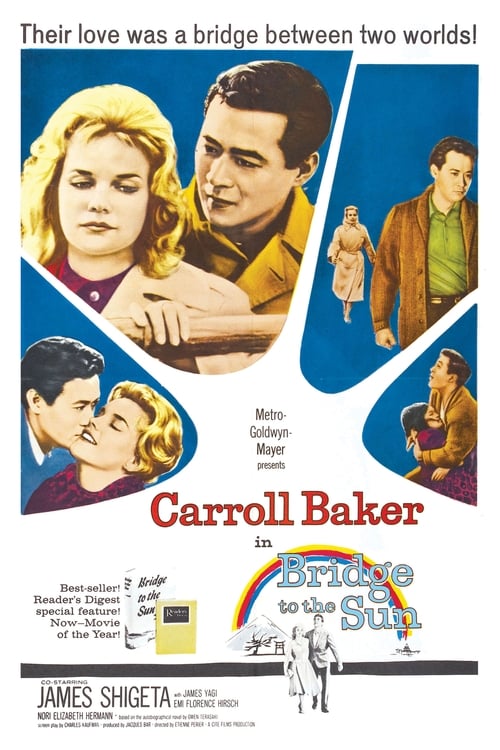
Bridge to the Sun stands out as a mid-century internationalist drama that uses a personal romance to navigate global conflict. By focusing on an intercultural marriage, the film challenges the homogeneous casting and nationalist clichés common in 1960s Western cinema. The narrative's strength lies in its exploration of individual ability to act against systemic prejudice. It delves into how personal identity and intimacy can coexist in tension with state-mandated animosity during World War II. While the film adheres to the traditional romantic conventions of its era, its focus on the complexities of ethnic identity and the breakdown of nationalistic institutions provides a nuanced look at wartime humanism.
Category Breakdown
The film focuses on a traditional heterosexual romance and does not include any characters with non-straight identities or critiques of the assumption that everyone is straight.
Gwen Terasaki plays a key role in driving the story within a wartime setting. Her journey challenges the passive female roles often seen in period dramas.
The story centers around a cross-cultural marriage between an American woman and a Japanese diplomat. This challenges the racial hierarchies of the time and offers perspectives from outside Anglo-Saxon backgrounds.
The narrative explores the tension between personal morality and state-driven nationalism. It highlights how political machines and patriotism can undermine personal connections.
The film does not feature any characters with physical or neurodivergent disabilities.
Present on Screen
Limited or Absent
Official Synopsis
Tells the true story of American Gwen Terasaki, who falls in love with, then marries a Japanese diplomat. When World War II breaks out, they encounter animosity and trouble from both sides.
1958

1957
1976

1955
1955
1957

1959
1958
No reviews yet. Be the first to share your thoughts on this movie!
Use the rating form above to leave a star rating and optional review.