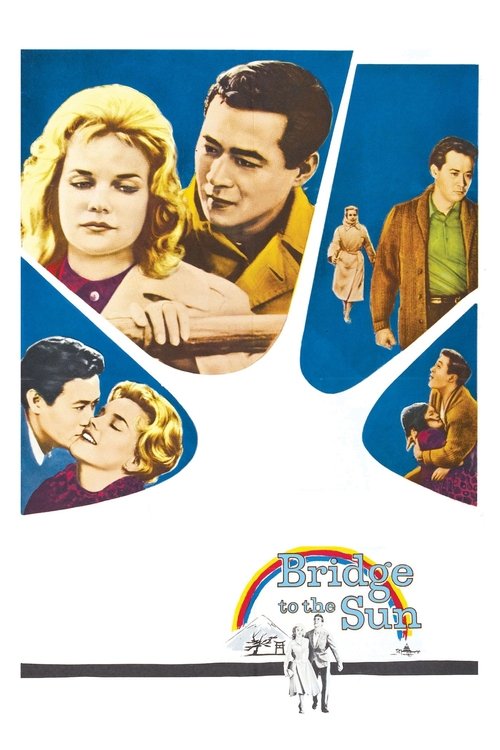
Bridge to the Sun
1961
No user ratings available yet
Representation score: 3.8 out of 10

Representation Score
Fair
1965
Director
Yasuzō Masumura
Runtime
94 minutes
Average Rating
No ratings yetNew Showbiz Analysis
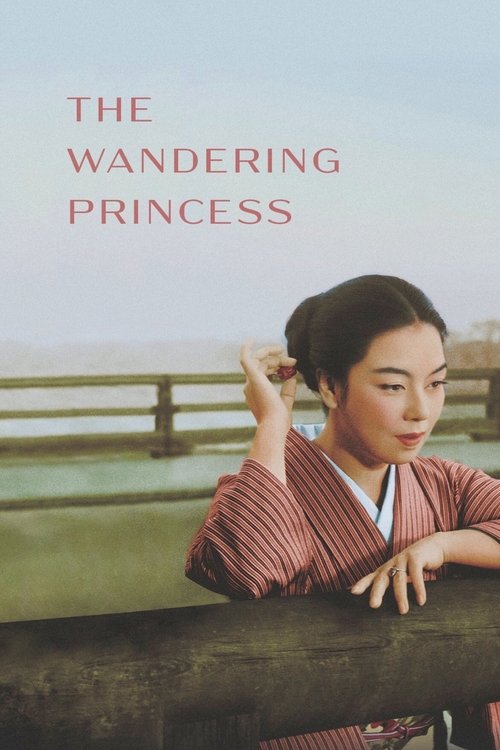
Yasuzō Masumura’s direction offers a sophisticated deconstruction of mid-century social hierarchies. By centering Okane’s internal struggle against an arranged marriage, the film elevates women's ability to drive the story above the standard period drama clichés of the era. The narrative successfully critiques traditional social contracts, portraying marriage as a tool for survival rather than a sacred union. This provides a progressive look at individual autonomy within a restrictive historical context. However, the film remains limited by its era's lack of broad diversity. It lacks visible LGBTQ+ representation and does not engage with multiculturalism, functioning instead as a culturally specific Japanese period piece.
Category Breakdown
The film focuses on the tensions of traditional marriages and domestic duties. There are no visible queer characters or non-binary gender identities present.
Okane is a central figure who challenges patriarchal constraints and the 'ideal wife' stereotype. The film highlights her psychological strength and sexual autonomy despite socioeconomic pressures.
Set in early 20th-century Japan, the film maintains cultural authenticity with a predominantly Japanese cast. It lacks the multicultural blending seen in more contemporary works.
The story critiques rigid social institutions and the transactional nature of marriage used to escape poverty. It views traditional family stability through a skeptical lens.
There is no discernible focus on visible or invisible disabilities. No characters are identified as having ability to act through a disability perspective.
Present on Screen
Limited or Absent
Official Synopsis
On the eve of the Russo-Japanese war at the beginning of the 20th century, small-town girl Okane has married an old wealthy man to escape a life of poverty.
1961

1955
1976
1953

1958
1960
1965
1955
No reviews yet. Be the first to share your thoughts on this movie!
Use the rating form above to leave a star rating and optional review.