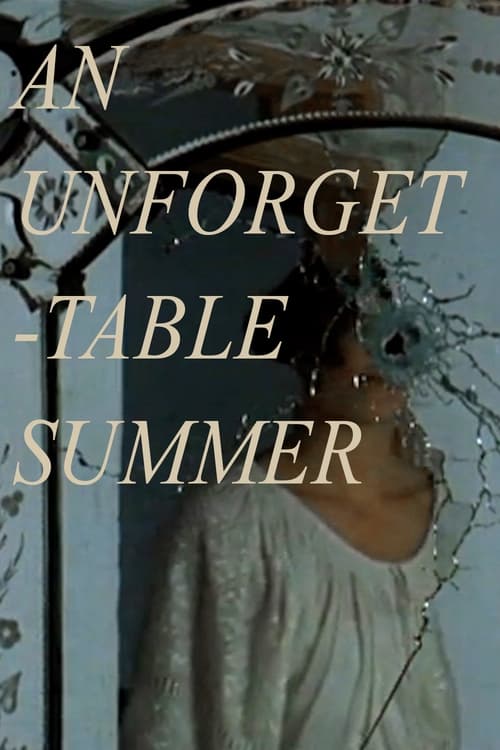
An Unforgettable Summer
1994
No user ratings available yet
Representation score: 4.0 out of 10
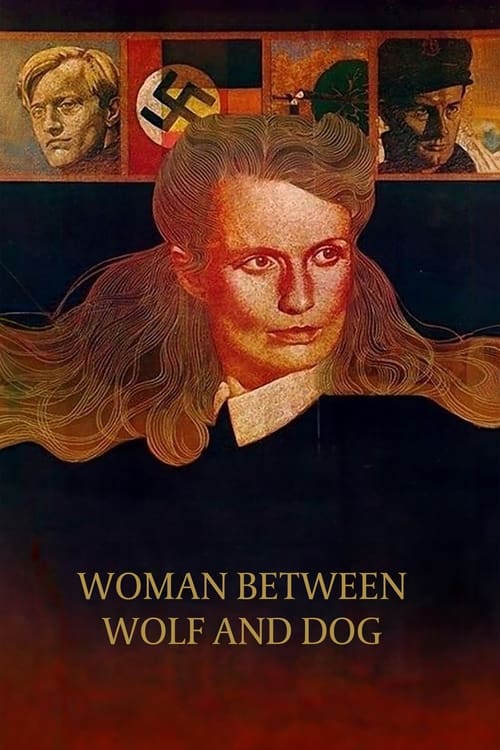
Representation Score
Fair
1979
Director
André Delvaux
Runtime
111 minutes
Average Rating
No ratings yetNew Showbiz Analysis
André Delvaux’s drama excels as a psychological exploration of moral ambiguity. By focusing on Lieve’s choices, the film highlights female empowerment during a time of great societal change. However, the film’s historical context limits its scope, lacking diverse racial and LGBTQ+ representations. Instead, it emphasizes the complexity of individual experiences amidst conflicting political loyalties.
Category Breakdown
The main story revolves around a heterosexual relationship conflict involving a wife, her husband, and a resistance fighter. There are no queer subtexts or non-straight identities in the primary character arcs.
Lieve is the central figure who makes key decisions rather than being a passive observer. She challenges traditional domestic roles by hiding a resistance fighter, dealing with the moral complexities of wartime.
The film mirrors the predominantly European population of occupied Belgium in the mid-20th century. The story focuses on intra-European political tensions without exploring diverse racial dynamics.
The film questions nationalist ideas by showing a husband who supports the occupying forces. It presents a nuanced, relativistic view of human behavior rather than simple moral contrasts.
Disability, neurodivergence, or chronic illness do not play a central role in the character arcs or the narrative structure.
Present on Screen
Limited or Absent
Official Synopsis
Lieve is a Belgian woman who marries just as World War II is beginning. When the Germans invade, her husband goes off to fight them, but he swiftly returns home after the invasion succeeds. Later, he decides that the Germans are on the right side of things, and goes off to fight for them on the Eastern Front. Soon afterward, a resistance fighter is stranded on her doorway, and she hides him. The two of them fall in love, and the conflicts and joys of this relationship cause Lieve continued grief well after the end of the war.
1994
1957

1959

1980
1961
1958
1976
2015
No reviews yet. Be the first to share your thoughts on this movie!
Use the rating form above to leave a star rating and optional review.