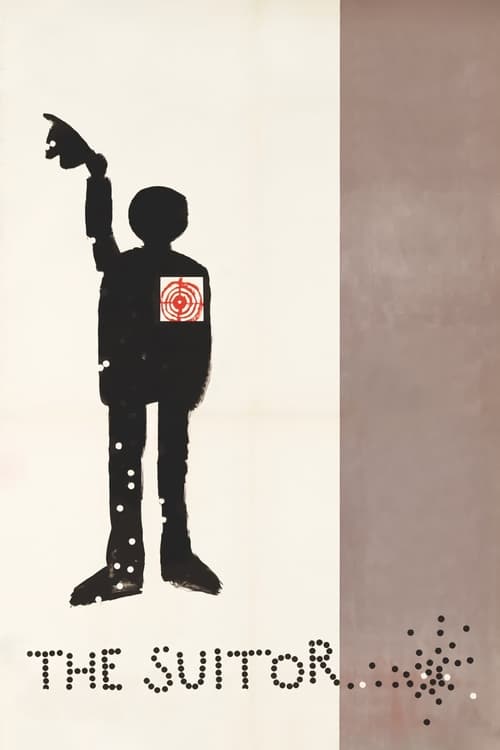
The Suitor
1962
No user ratings available yet
Diversity score: 3.9 out of 10

1960
Director
Philippe de Broca
Runtime
86 minutes
Average Rating
No ratings yetSynopsis
Victor (Jean-Pierre Cassel) and Suzanne (Genevieve Cluny) are a couple at odds about commitment in this light, fast-paced comedy-drama by Philippe de Broca. Suzanne needs more reassurance from Victor about the future of their relationship. He is a painter with an inspired creative side who finds it difficult to understand Suzanne's point of view. They are happy together; what is the problem? So when a friend comes into the picture and proposes to Suzanne, Victor suddenly realizes that Suzanne was right. Without a formal commitment, the suddenly insecure man does not like the view from the opposite shore.
Overall Score
Limited
Category Breakdown
LGBTQ+ Representation
The film focuses on a traditional heterosexual romance between Victor and Suzanne. There is no evidence of same-sex intimacy or non-cisnormative identities within the narrative.
Gender Representation
Suzanne drives the conflict by demanding emotional security, which subverts standard romantic tropes. The story provides nuance by portraying Victor's sudden vulnerability and insecurity.
Racial & Ethnic Diversity
The narrative appears centered on a specific European interpersonal drama. It adheres to the homogeneous casting norms common in 1960s French cinema.
Religious & Cultural Diversity
The plot deconstructs the ideal of a stable family unit through a study of emotional volatility. It lacks explicit secularist or anti-institutional messaging.
Disability Representation
There is no information regarding the inclusion of characters with physical or neurodivergent disabilities.
Strengths
Areas for Improvement
AI Analysis
The film is a period-specific romantic comedy that operates within the conventional social frameworks of 1960. While the demographic composition remains largely traditional and homogeneous, the film offers subtle narrative disruptions to standard gender hierarchies. Suzanne’s agency in defining the terms of her relationship provides a progressive counterpoint to the era's typical tropes. By shifting the focus to male emotional insecurity, the film moves away from the 'stable male leader' archetype. However, the work lacks significant racial, ethnic, or LGBTQ+ diversity. It functions primarily as a character study of individual romantic instability rather than a tool for broader social representation.
1962
2003
2024
1955
1953

1969
1954
1954

1952
1955
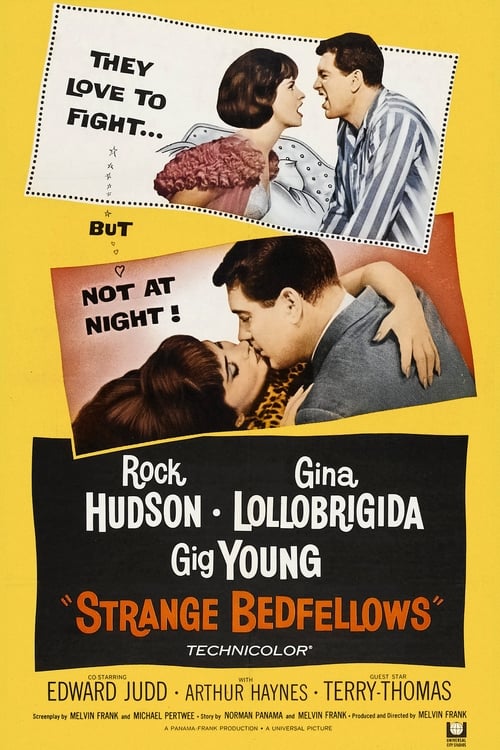
1965
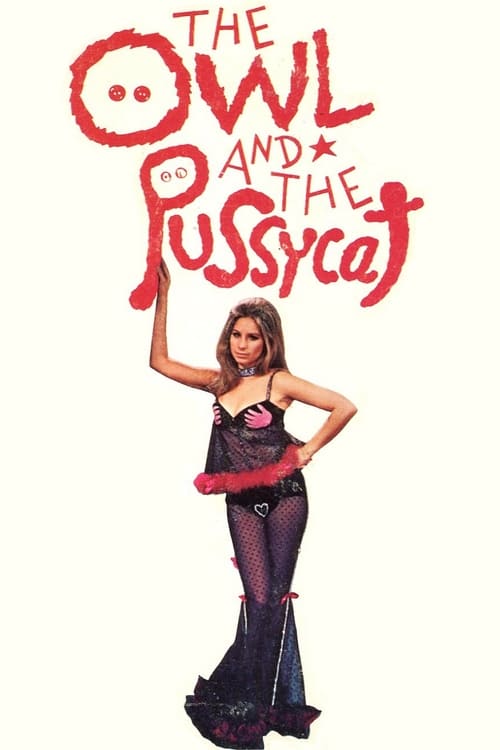
1970
No reviews yet. Be the first to share your thoughts on this movie!
Use the rating form above to leave a star rating and optional review.