Phffft
1954
No user ratings available yet
Representation score: 0.4 out of 10
Representation Score
Minimal
1965
Director
Melvin Frank
Runtime
98 minutes
Average Rating
No ratings yetNew Showbiz Analysis
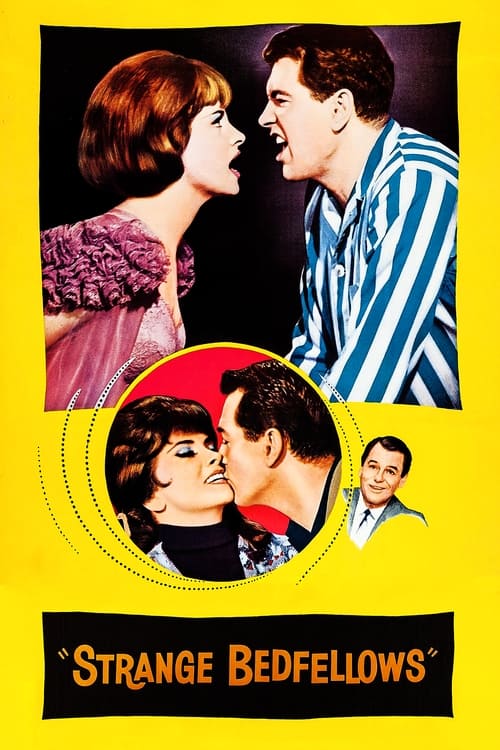
Strange Bedfellows is a classic product of its time, emphasizing the preservation of mid-century social and professional norms. The narrative follows a traditional romantic comedy structure, focusing on interpersonal conflicts within a narrow social framework. The film heavily relies on established social structures, such as the importance of marriage for professional advancement. While the female lead demonstrates intellectual independence, the overall demographic and cultural scope remains extremely limited. Ultimately, the film does not aim to disrupt systemic norms but focuses on personal reconciliation within a very specific, homogeneous social framework.
Category Breakdown
The film does not include any LGBTQ+ characters or explore non-cisgender identities.
Toni uses her intellect to challenge her husband, showing strong verbal skills. However, the story reinforces traditional gender roles by linking a man's career success to his marital status.
The film lacks racial or ethnic diversity, focusing on a predominantly white, Anglo-Saxon setting typical of mid-century romantic comedies.
The story centers on traditional Western institutions like marriage and corporate hierarchy, aligning with societal norms without critique.
The film does not portray any visible or invisible disabilities as central to the character arcs or narrative development.
Present on Screen
Limited or Absent
Official Synopsis
After a hasty wedding, Carter and Toni find that they disagree on everything. They separate and seven years later, on the eve before their divorce, meet again and spend the night together. Reality sets in when morning comes and they begin arguing again. Once again, divorce proceedings are on — until Carter finds out that an important promotion hinges on whether he's married.
1954
1963
1960

1952

1973
1955
1965
1972
No reviews yet. Be the first to share your thoughts on this movie!
Use the rating form above to leave a star rating and optional review.