
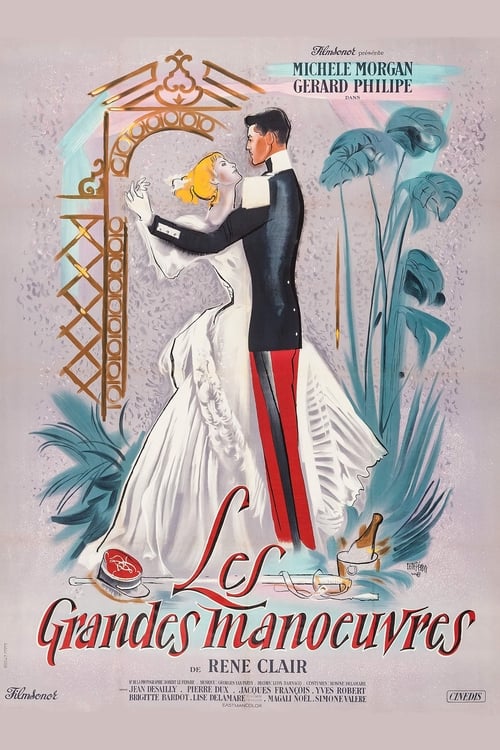
A Flirtatious Woman
1955
No user ratings available yet
Representation score: 4.8 out of 10
Representation Score
Minimal
1955
Director
René Clair
Runtime
106 minutes
Average Rating
No ratings yetNew Showbiz Analysis
René Clair’s work is a foundational example of mid-century French comedy of manners, emphasizing escapism and social cohesion. The film upholds the era's standard romantic and social norms rather than challenging them. The narrative structure centers around traditional archetypes, particularly the boastful male protagonist. Although the female lead introduces a unique challenge to the male lead's ego, the power dynamics remain tied to conventional courtship rituals. Ultimately, the film lacks the intentionality needed for modern characters who reflect more than one aspect of diversity. It presents a homogeneous view of society aligned with its historical and geographic context, offering little in terms of systemic critique or diverse identity exploration.
Category Breakdown
The film follows traditional 1950s romantic conventions, focusing solely on heterosexual relationships and excluding any representation of LGBTQ+ identities.
The story revolves around a traditional masculine 'womanizer' archetype. The female lead, who is a divorcee, offers a slight deviation from strict domestic roles but mainly serves as a catalyst for the male lead.
The setting and casting reflect the homogeneous social structures of a mid-1950s rural French village. There is no visible effort to include racial or ethnic diversity.
This is a classic escapist comedy that celebrates local community traditions. It emphasizes social grace and romantic whimsy without addressing any systemic critiques.
The characters are portrayed as able-bodied participants in a stylized social comedy. There is no depiction of physical or neurodivergent disabilities.
Present on Screen
Limited or Absent
Official Synopsis
Armand, a boastful womaniser, makes a bet that he can seduce any girl he wants. He soon crosses paths with a beautiful Parisian divorcee, who is nothing like anyone he has ever met before.
1955

1952
1963
1938
1933
1948
1956
1976
No reviews yet. Be the first to share your thoughts on this movie!
Use the rating form above to leave a star rating and optional review.