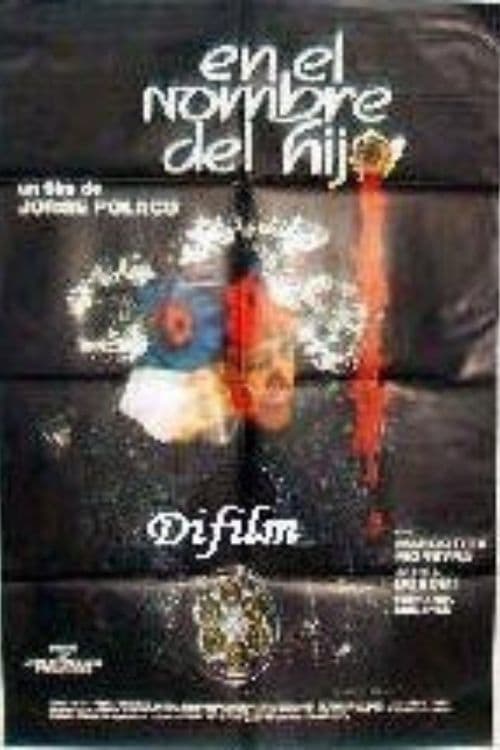
En el nombre del hijo
1987
No user ratings available yet
Representation score: 9.4 out of 10

Representation Score
Fair
1957
Director
Leopoldo Torre Nilsson
Runtime
76 minutes
Average Rating
No ratings yetNew Showbiz Analysis
Leopoldo Torre Nilsson’s drama is a powerful critique of systemic repression and traditional environments. It dismantles the idea of the family as a sanctuary, instead portraying it as a place of psychological manipulation and dysfunction. The film highlights the flaws in inherited power structures by examining the conflict between personal desires and societal norms. Ultimately, it serves as a psychological exploration of how religious and patriarchal control can harm individuals.
Category Breakdown
The film hints at forbidden desires and disruptions to traditional relationships, even though it doesn't explicitly show LGBTQ+ characters. It explores the tension between personal impulses and strict moral codes.
The movie challenges traditional gender roles by showing how male authority figures can be repressive. The protagonist fights against a patriarchal household, highlighting the negative impact of such structures.
The film reflects the demographics of mid-century Argentina, focusing on class and psychological themes rather than showcasing a diverse ethnic cast.
It provides a sophisticated look at institutional power and religious fervor. The film portrays families and religious structures as oppressive and harmful, challenging their traditional roles.
There are no characters dealing with physical or mental disabilities as central parts of their stories.
Present on Screen
Limited or Absent
Official Synopsis
A young teen has been raised by a despotic mother overcome with religious zeal and a father who rules over the household with a heavy, iron hand. Forcibly kept innocent of the sexual nuances of some adult relationships, she is not too clear on her rights, his intentions, or the consequences when her father's best friend starts to lust after her.
1987

1967

1965
1970
1983
1982
1978
1975
No reviews yet. Be the first to share your thoughts on this movie!
Use the rating form above to leave a star rating and optional review.