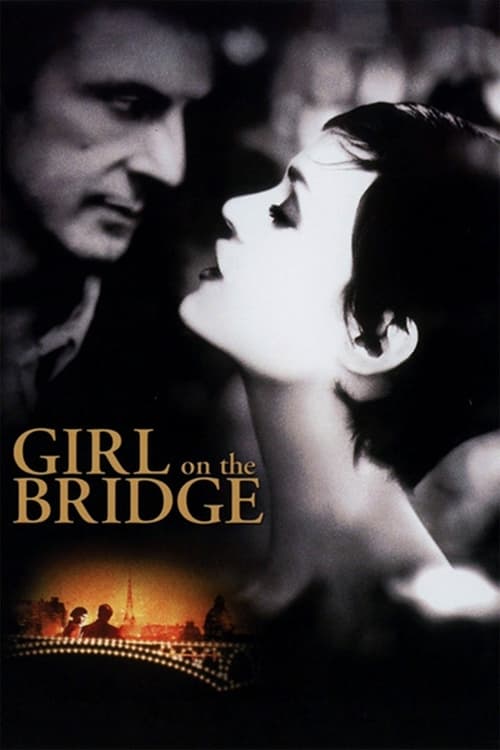
The Girl on the Bridge
1999
No user ratings available yet
Representation score: 3.4 out of 10
Representation Score
Fair
2001
Director
Patrice Leconte
Runtime
89 minutes
Average Rating
No ratings yetNew Showbiz Analysis
Patrice Leconte’s drama excels in psychological depth and subverts traditional gender roles. By focusing on characters who exist outside of societal norms, the film provides a nuanced critique of social stability. However, the film lacks diverse representation, particularly regarding race and LGBTQ+ identities, limiting its broader social commentary. Ultimately, the work is skeptical of mainstream institutions but operates within a narrow demographic scope.
Category Breakdown
The story focuses on a heterosexual romance without showing any non-binary gender identities or same-sex relationships. There is no visible evidence of LGBTQ+ identities or experiences.
Lola challenges traditional gender roles by taking control of the relationship and shifting the power dynamic away from the male lead. She is not defined by conventional gender expectations.
The film features a predominantly white cast, reflecting a traditional Western European demographic. There is little racial or ethnic diversity.
The narrative highlights characters who face systemic socioeconomic pressures, such as an ex-convict and a sex worker. It critiques social stratification and traditional morality.
The film does not focus on visible or invisible disabilities. Psychological issues and social isolation are portrayed as part of the characters' temperaments rather than as explorations of neurodivergence.
Present on Screen
Limited or Absent
Official Synopsis
Félix, operator of dodgem cars in a fairground, becomes obsessed by one of his customers, a mysterious young woman named Lola. Félix soon discovers that Lola is running away from her former boyfriend, a singer who continues to taunt her. Lola asks Félix to prove his love for her by murdering a man he does not know...
1999
1989
1969

2005

1985
1999
2001
1959
No reviews yet. Be the first to share your thoughts on this movie!
Use the rating form above to leave a star rating and optional review.