Oskar Langenfeld. 12 Mal
1966
No user ratings available yet
Representation score: 7.3 out of 10
Representation Score
Limited
1964
Director
John Krish
Runtime
26 minutes
Average Rating
No ratings yetNew Showbiz Analysis
The film is demographically traditional, offering limited racial, gender, or LGBTQ+ diversity. It reflects the localized, homogeneous environment of a 1960s English community. However, the film uses its narrow setting to deliver a powerful critique of religious institutions and their role in policing individual behavior. It prioritizes a deep exploration of how traditional structures can marginalize individuals. Ultimately, the film chooses to focus on a systemic critique rather than broad demographic representation.
Category Breakdown
The film doesn't include explicit LGBTQ+ characters or non-straight relationships. The plot revolves around the tension between the main character and the village's moral authorities.
The story focuses on male-dominated social hierarchies and the interactions between men. Women play secondary roles in the central conflict involving male authority.
The cast is mostly uniform, reflecting the socioeconomic context of a 1960s English village. There is no indication of intentional ethnic diversity.
The film provides a sophisticated look at how religious institutions function as mechanisms for social control. It highlights the protagonist's resistance to communal morality.
There are no prominent depictions of visible or invisible disabilities that serve as central narrative drivers.
Present on Screen
Limited or Absent
Official Synopsis
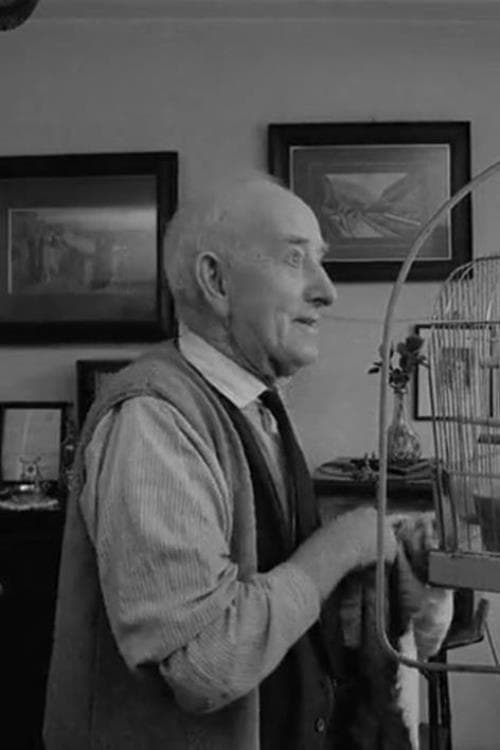
The life of an old man, John Cartner Ronson, living alone in a huge block of flats in London since his wife died nine years earlier.
1966
1978
1960

2014

2001
2020

1969
1971
No reviews yet. Be the first to share your thoughts on this movie!
Use the rating form above to leave a star rating and optional review.