Behind the Rainbow
2008
No user ratings available yet
No diversity score available
2017
RDirector
Daniel Draper
Runtime
96 minutes
Average Rating
No ratings yetSynopsis
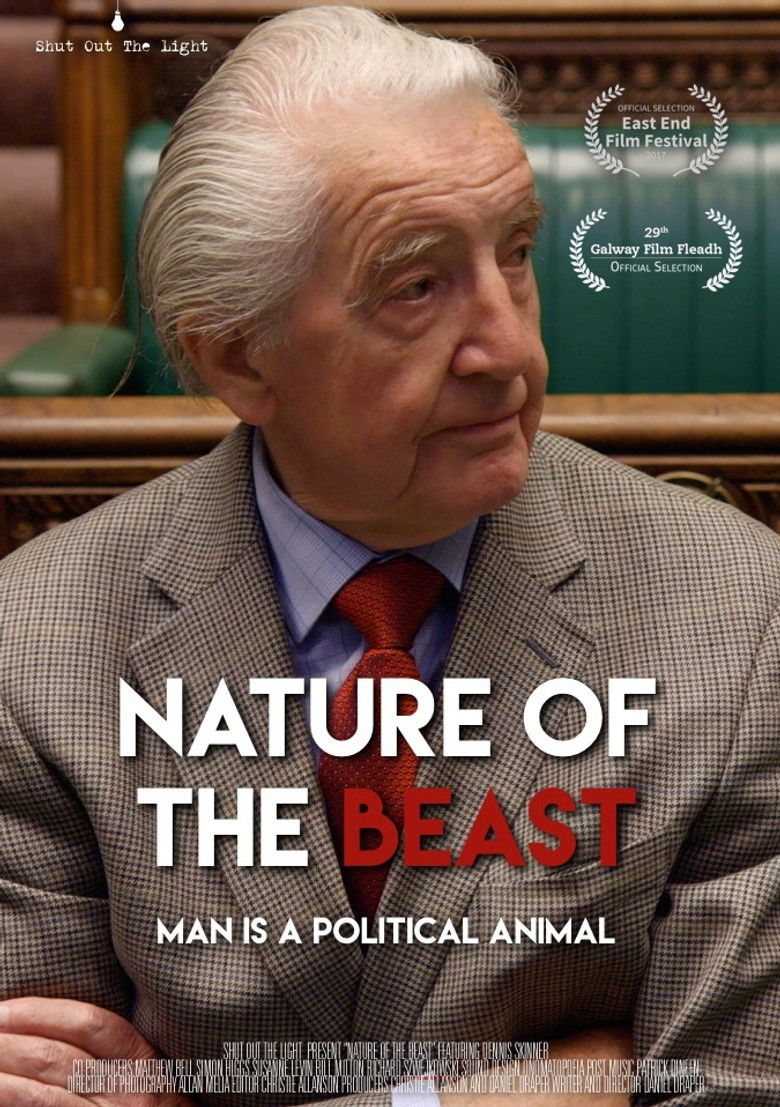
In an era of PR and spin, Dennis Skinner is a thrillingly authentic political figure: fearsome, principled, and uncompromising, he has been sticking up for the interests of the people of his constituency in Bolsover since 1970. An ex-miner, he was represented his community through the industrial action of the 1970s, the closure of the mines, and the slow drift to the ‘centre-ground’ within Labour politics. Famous for his sharp wit and unyielding style, Skinner has remained true to his roots, fighting for the disadvantaged and often getting himself into trouble in Parliament. The story of both a towering figure, and the fortunes of progressive politics in Britain over the last half-century.
Overall Score
Fair
Category Breakdown
LGBTQ+ Representation
The film lacks any specific focus on LGBTQ+ identities or narratives. The scope remains centered on labor movements and parliamentary politics.
Gender Representation
The narrative centers on a male figurehead and the male-dominated history of coal mining. There is no evidence of female agency being centered.
Racial & Ethnic Diversity
The documentary focuses on the white working-class experience of the UK's industrial decline. It lacks a focus on multi-ethnic intersectionality.
Religious & Cultural Diversity
The film highlights a critique of neoliberalism and the struggle of the disadvantaged. It portrays an anti-establishment fight against systemic power shifts.
Disability Representation
There is no evidence that disability or neurodivergence are central themes. These elements are not present in the narrative.
Strengths
Areas for Improvement
AI Analysis
Nature of the Beast is a biographical study of Dennis Skinner, prioritizing class struggle and industrial history over identity-driven character studies. The film functions as a portrait of populist resistance against shifting institutional norms in Britain. While the documentary excels at portraying anti-establishment sentiment and the fight against neoliberalism, it lacks breadth in other identity categories. The focus remains strictly on the socio-economic context of the mining industry and parliamentary politics. Ultimately, the film is a specialized look at class-based political history. It succeeds in its specific niche but offers little representation for LGBTQ+, gender, or racial diversity.
2008

2010

2017

2004
1989

2016

2017
2014

2018

2016

2020

2018
No reviews yet. Be the first to share your thoughts on this movie!
Use the rating form above to leave a star rating and optional review.