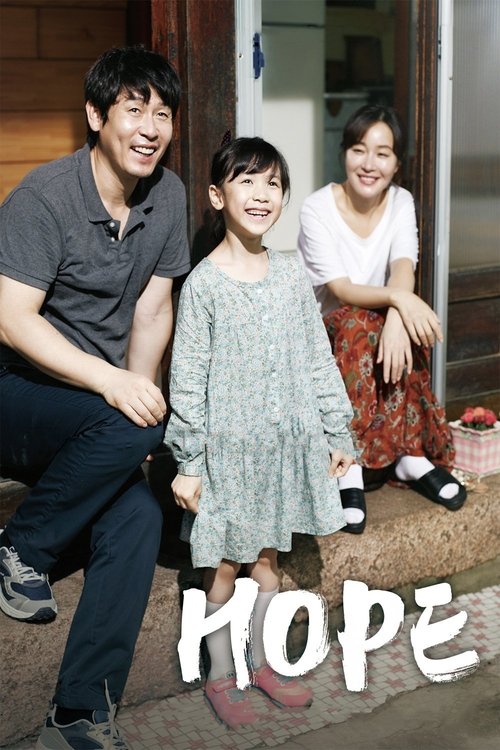
Hope
2013
No user ratings available yet
Representation score: 5.2 out of 10

Representation Score
Good
2011
Not RatedDirector
Hwang Dong-hyuk
Runtime
125 minutes
Average Rating
No ratings yetNew Showbiz Analysis
Silenced is a powerful social critique that uses a specific, underrepresented identity to expose systemic failures in legal and social hierarchies. Its greatest strength lies in its authentic portrayal of the deaf community, moving beyond mere plot devices to center their lived experiences. While the film lacks LGBTQ+ and racial diversity, these absences feel like a commitment to the historical reality of the South Korean setting rather than a narrative oversight. The film's impact is amplified by its ability to challenge traditional views of institutional sanctity.
Category Breakdown
The film does not include any LGBTQ+ characters or representations of non-straight relationships. It focuses on the intersection between disability and gender-based violence.
The film challenges traditional gender roles by showing masculinity as predatory and unchecked authority. It highlights the vulnerability of female students within a patriarchal institution.
As a South Korean production, the film features a largely homogeneous ethnic cast, reflecting the specific historical and social context of its setting.
The film critiques the sanctity of educational and religious institutions, depicting them as corrupt systems. It emphasizes a breakdown of trust in established authority.
The film provides authentic representation of the deaf community through genuine communication methods. It centers on their struggles against a hearing-centric legal framework.
Present on Screen
Limited or Absent
Official Synopsis
Based on actual events that took place at Gwangju Inhwa School for the hearing-impaired, where young deaf students were the victims of repeated sexual assaults by faculty members over a period of five years in the early 2000s.
2013

2014

2015

2015
2015
2013

2017
2016
No reviews yet. Be the first to share your thoughts on this movie!
Use the rating form above to leave a star rating and optional review.