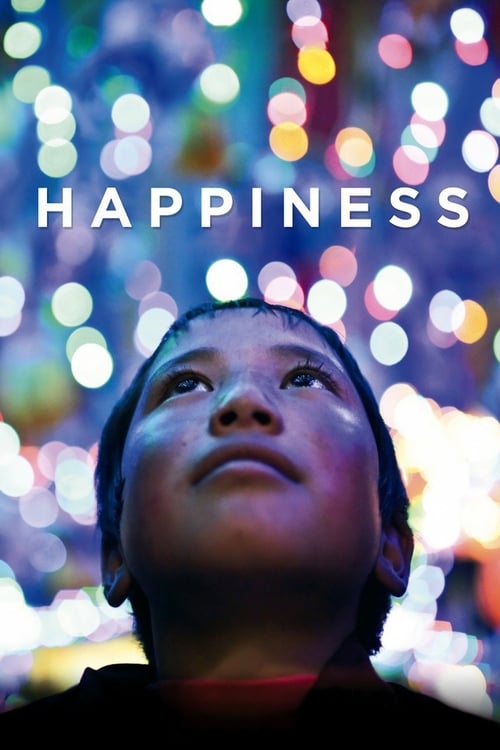
Happiness
2014
No user ratings available yet
Diversity score: 7.2 out of 10

2020
Director
Thomas Balmès
Runtime
99 minutes
Average Rating
No ratings yetSynopsis
As the Internet finally arrives in tiny Bhutan, documentarian Thomas Balmès is there to witness its transformative impact on a young Buddhist monk whose initial trepidation gives way to profound engagement with the technology.
Overall Score
Good
Category Breakdown
LGBTQ+ Representation
The film maintains a neutral stance on sexual orientation. Because the subjects are children, there are no explicit depictions of non-cisnormative identities or same-sex intimacy.
Gender Representation
Representation occurs through naturalistic development and play. The film avoids rigid, adult-imposed hierarchies, though it lacks explicit subversion of gendered roles within its observational format.
Racial & Ethnic Diversity
The film excels with a global cast spanning Brazil, South Africa, the US, Europe, and Bhutan. It challenges Western-centric gazes by presenting a non-white majority.
Religious & Cultural Diversity
The documentary presents diverse cultural realities without imposing a singular moral framework. It subtly critiques idealized Western consumerist versions of childhood through unpolished, global vignettes.
Disability Representation
There is no prominent focus on visible or invisible disabilities. The film avoids 'inspiration porn' by treating all children with equal dignity and agency.
Strengths
Areas for Improvement
AI Analysis
Sing Me a Song succeeds as a mosaic of human experience, utilizing a global lens to examine the universalities of childhood. By centering the agency of children across diverse geographies, the film disrupts traditional, adult-centric power dynamics and the standard 'hero’s journey' narrative structure. The film's greatest strength is its refusal to adhere to a singular geographic or cultural norm. It provides a nuanced, multi-perspective view of the human condition that effectively challenges the hegemony of Western-centric storytelling. However, the observational nature of the documentary limits its depth in specific areas. The lack of explicit engagement with LGBTQ+ identities or the subversion of gendered roles prevents a higher score in those categories.
2014

2016
2006
2015

2024

2017

2020

2018
2012

2017
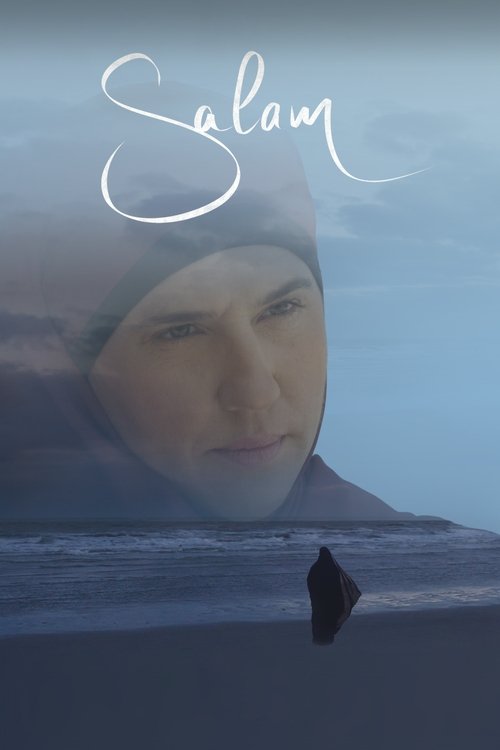
2022
2015
No reviews yet. Be the first to share your thoughts on this movie!
Use the rating form above to leave a star rating and optional review.