
Salam Neighbor
2015
No user ratings available yet
Diversity score: 4.8 out of 10
2014
Director
Hilla Medalia, Shosh Shlam
Runtime
79 minutes
Average Rating
No ratings yetSynopsis
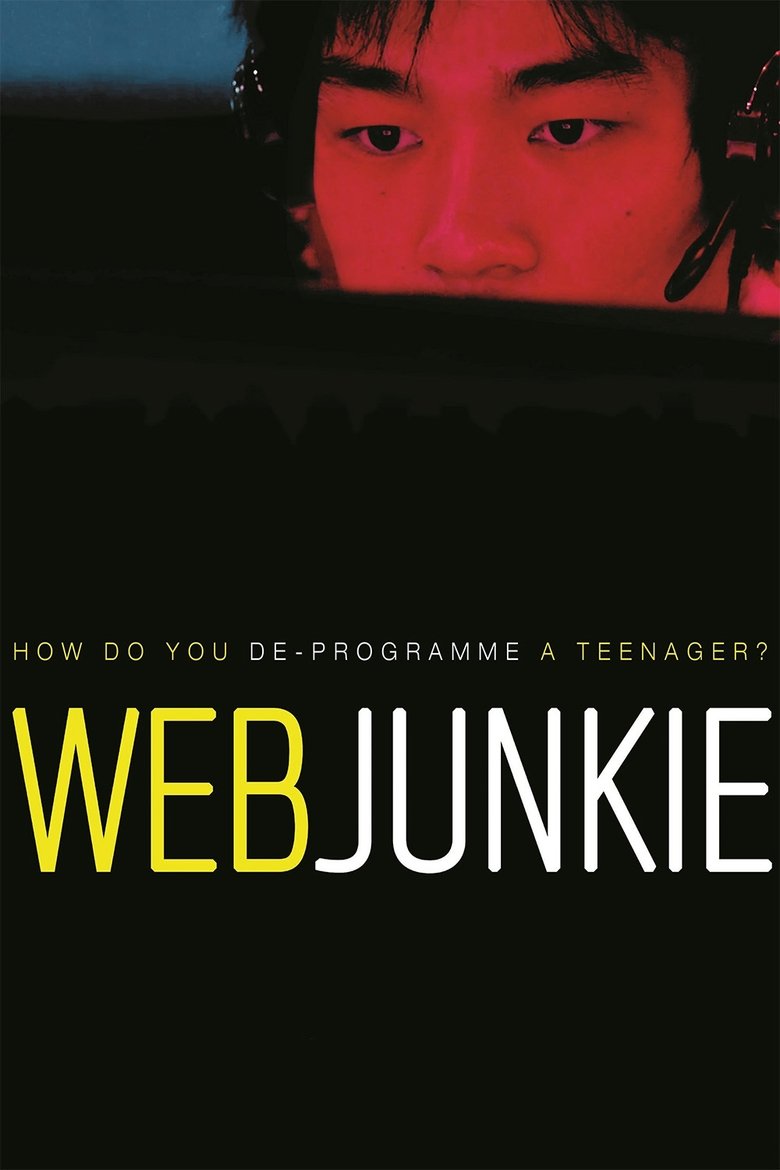
China is the first country in the world to classify Internet addiction as a clinical disorder. Caught in the Net features a Beijing treatment center where Chinese teenagers are being "deprogrammed," and follows the story of three boys from the day they arrive at the center, to their three-month treatment period, and their long awaited return home. The film provides a microcosm of modern Chinese life and investigates one of the symptoms of the Internet age. It examines inter-generational pressures and the disregard of the human rights of minors who get caught in the net.
Overall Score
Fair
Category Breakdown
LGBTQ+ Representation
The documentary focuses on clinical and familial aspects of addiction within a specific Chinese demographic. There is no evidence of LGBTQ+ characters or non-cisnormative identities.
Gender Representation
The narrative centers on traditional patriarchal and inter-generational hierarchies. It observes tension through parental authority and adolescent rebellion without subverting existing gendered power dynamics.
Racial & Ethnic Diversity
The film provides high non-Western representation by centering an entirely Chinese cast. It disrupts Western-centric narratives by exploring East Asian social phenomena through a local lens.
Religious & Cultural Diversity
The film critiques how digital capitalism impacts social cohesion and traditional family units. It frames the struggle between the individual and the state as a complex, morally relative issue.
Disability Representation
Internet addiction is treated as a clinical disorder, providing visibility to those with psychological dependency. The film avoids 'inspiration porn,' focusing instead on systemic management of the condition.
Strengths
Areas for Improvement
AI Analysis
Web Junkie succeeds as a piece of non-Western observational cinema that shifts the gaze away from Anglo-centric perspectives. By centering on a Chinese treatment center, it provides a deep dive into a specific East Asian social phenomenon and the human cost of rapid modernization. However, the film lacks diversity in terms of LGBTQ+ representation and gender subversion. The narrative architecture largely reinforces traditional patriarchal structures and parental authority rather than challenging them. Ultimately, the work excels at deconstructing the idea of technological progress as an unalloyed good, instead highlighting the friction between traditional values and digital dependency.
2015

2014

2008
2007

2016
2004

2019
2019
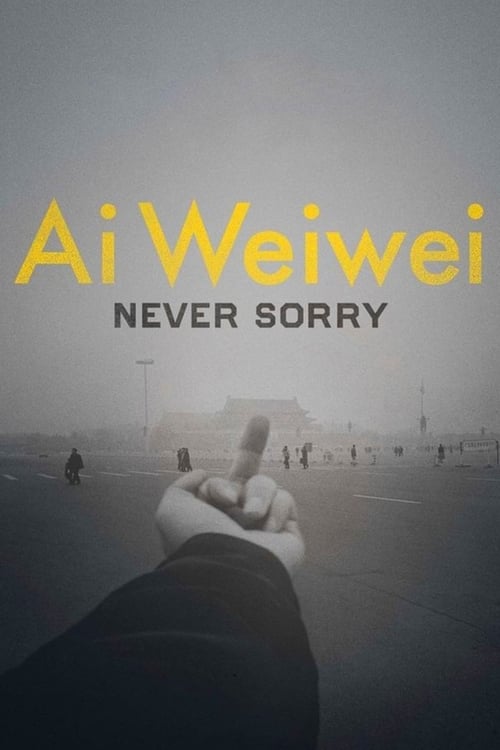
2012
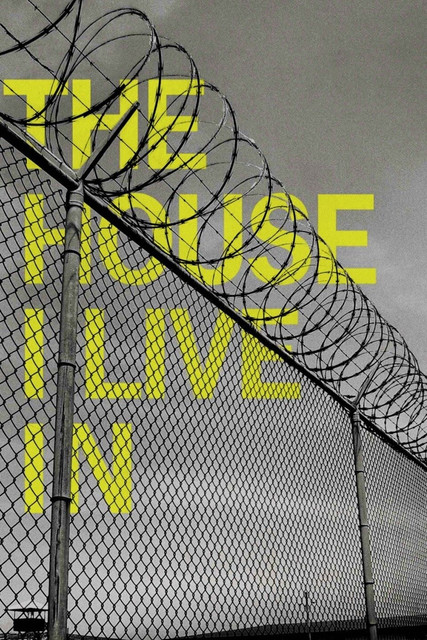
2012

2006

1984
No reviews yet. Be the first to share your thoughts on this movie!
Use the rating form above to leave a star rating and optional review.