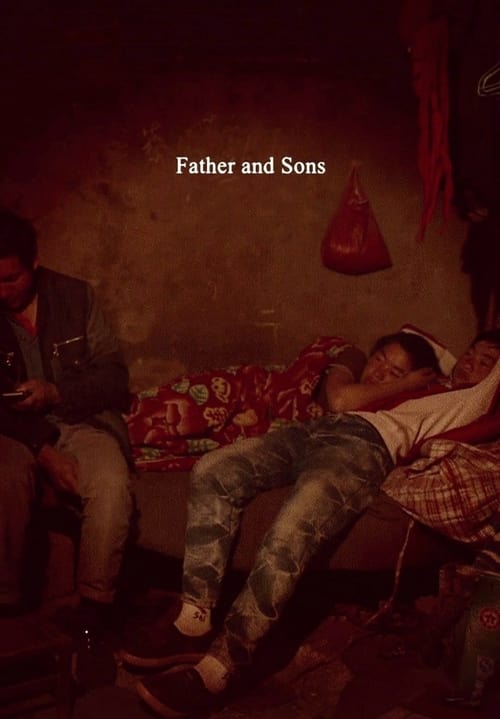
Father and Sons
2014
No user ratings available yet
Diversity score: 5.1 out of 10

2013
Director
Pacho Velez, Stephanie Spray
Runtime
118 minutes
Average Rating
No ratings yetSynopsis
A documentary about a group of pilgrims who travel to Nepal to worship at the legendary Manakamana temple.
Overall Score
Good
Category Breakdown
LGBTQ+ Representation
The film functions as a pure observational study of a transient public space. There are no identifiable depictions of non-cisnormative gender identities or same-sex intimacy.
Gender Representation
The representation remains neutral, observing various genders within the cable car without assigning specific roles of dominance. It avoids traditional tropes by refusing to frame gender through conflict.
Racial & Ethnic Diversity
The film excels in its authentic portrayal of the Nepali social tapestry. It avoids the Western gaze by centering a non-Anglo-Saxon majority and reflecting a genuine ethnic spectrum.
Religious & Cultural Diversity
The narrative prioritizes human experience over religious doctrine. It observes the intersection of faith and daily life through a lens of subjective, observational realism.
Disability Representation
There is no explicit focus on disability within the continuous long take. Subjects are treated with dignity as part of a human flow rather than as narrative devices.
Strengths
Areas for Improvement
AI Analysis
Manakamana is a significant work of observational cinema that disrupts conventional documentary pacing. Its power lies in a postmodern minimalism that allows the inherent diversity of the Nepali people to drive the visual experience. The film achieves authenticity by refusing to impose a foreign narrative onto its subjects. It avoids the common pitfalls of travelogues by presenting an unmediated view of regional identity and socioeconomic variety. However, the film's focus on a single, continuous long take and a collective experience means it lacks the depth required for specific identity-driven storytelling or the subversion of individual social hierarchies.
2014

2015

2017

2014

2008

2014

2013

2004

2007
2012
1993

2007
No reviews yet. Be the first to share your thoughts on this movie!
Use the rating form above to leave a star rating and optional review.