
The Gay Deception
1935
No user ratings available yet
Representation score: 2.8 out of 10

Representation Score
Limited
1929
PassedDirector
William Wyler
Runtime
71 minutes
Average Rating
No ratings yetNew Showbiz Analysis
The Love Trap is a traditional romantic comedy that adheres closely to the social hierarchies of 1929. While it introduces a female lead navigating economic hardship, the resolution reinforces standard period clichés. The film's primary conflict stems from class friction rather than identity-based diversity. The tension between the working-class protagonist and the wealthy family provides a social layer, but it lacks multi-layered depth. Ultimately, the film functions as a period piece that prioritizes romantic integration over the disruption of established social or racial norms.
Category Breakdown
The film follows a traditional romantic storyline typical of the late 1920s. There is no evidence of non-straight relationships or same-sex intimacy.
The story centers on a female protagonist facing economic instability. While she plays a significant role as a working woman, her stability depends on a male figure's intervention.
The narrative focuses on class distinctions within a likely homogeneous social structure. There is no indication of a non-white or diverse cast.
The plot explores class friction between a chorus girl and the aristocracy. It leans toward traditional romantic integration rather than a systemic critique of social institutions.
There is no mention of characters with visible or invisible disabilities in the narrative.
Present on Screen
Limited or Absent
Official Synopsis
A chorus girl loses her job and thus the room she owes back rent on, and ends up being rescued from the street by a dashing rich man. But his family isn't over-accepting of chorus girls joining their family.
1935

1934
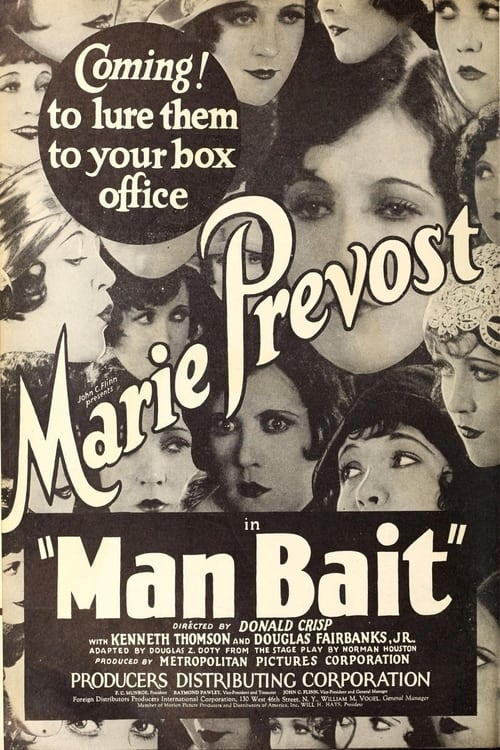
1927

1940
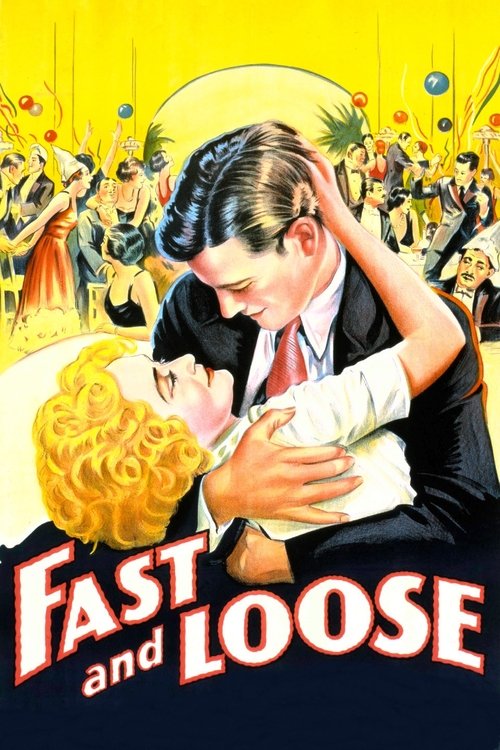
1930

1924
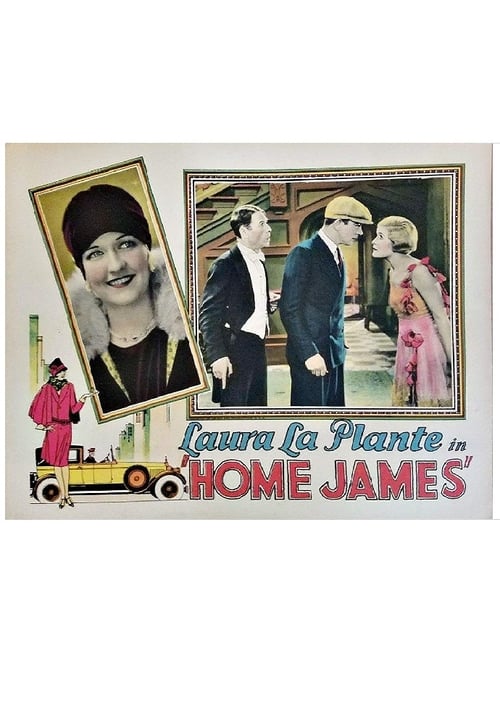
1928
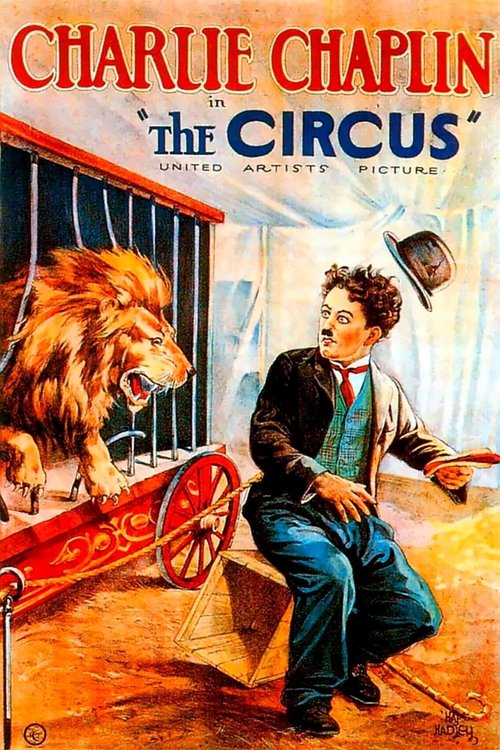
1928
No reviews yet. Be the first to share your thoughts on this movie!
Use the rating form above to leave a star rating and optional review.