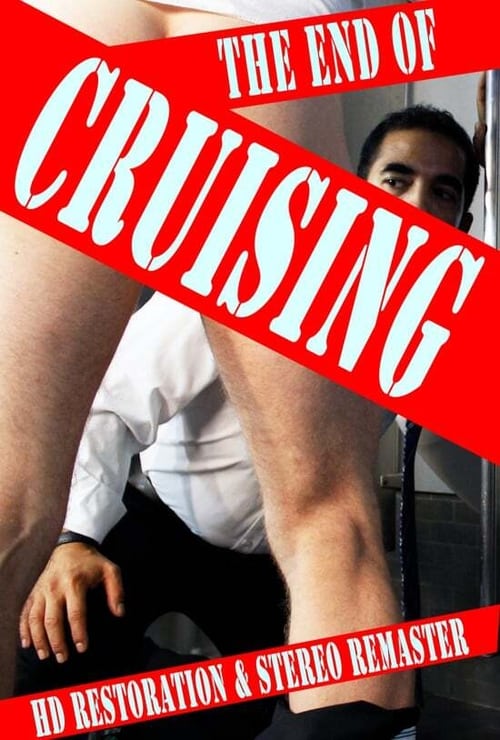
The End of Cruising
2013
No user ratings available yet
Diversity score: 7.4 out of 10

1984
Director
Néstor Almendros, Orlando Jiménez Leal
Runtime
113 minutes
Average Rating
No ratings yetSynopsis
The story of the persecution of homosexuals and intellectuals in Cuba under Fidel Castro's dictatorship, from the beginning of the Cuban Revolution (1953-59) until the early 1980s. Interviews with relevant personalities of Cuban culture who suffered persecution demonstrate that concentration camps for gays existed in Cuba.
Overall Score
Good
Category Breakdown
LGBTQ+ Representation
The film acts as a vital archival record of LGBTQ+ struggle. It documents the existence of concentration camps designed to sequester homosexual individuals, providing a voice to a historically silenced demographic.
Gender Representation
The narrative focuses more on political and sexual identity than on subverting gender hierarchies. While it documents victims of a patriarchal state, it lacks a central exploration of feminist agency.
Racial & Ethnic Diversity
The documentary provides a necessary Latin American perspective by centering the experiences of Cuban intellectuals. It disrupts Western-centric views of history through a localized account of identity and survival.
Religious & Cultural Diversity
The film critiques how centralized authority enforces a singular moral code. By highlighting the persecution of non-conforming individuals, it prioritizes individual truth and human rights over state-mandated ideology.
Disability Representation
There is no significant evidence regarding the portrayal of physical or neurodivergent disabilities. The focus remains strictly on political and sexual identity.
Strengths
Areas for Improvement
AI Analysis
Improper Conduct is a profound historical documentary that exposes the systemic suppression of marginalized identities under the Cuban dictatorship. It succeeds by refusing to sanitize the complexities of the revolution, instead highlighting the friction between state authority and individual autonomy. The film's primary strength is its investigative depth regarding LGBTQ+ persecution. By utilizing testimonials from those who survived concentration camps, it transforms personal history into a powerful critique of state-sponsored heteronormativity. While the film excels in political and sexual identity documentation, it offers less focus on gender-specific hierarchies or disability. It remains a specialized, high-impact study of how institutional power enforces social homogeneity.
2013

2016
1997
2017

1984

1996
2007
1984

2019
1998
2010

2011
No reviews yet. Be the first to share your thoughts on this movie!
Use the rating form above to leave a star rating and optional review.