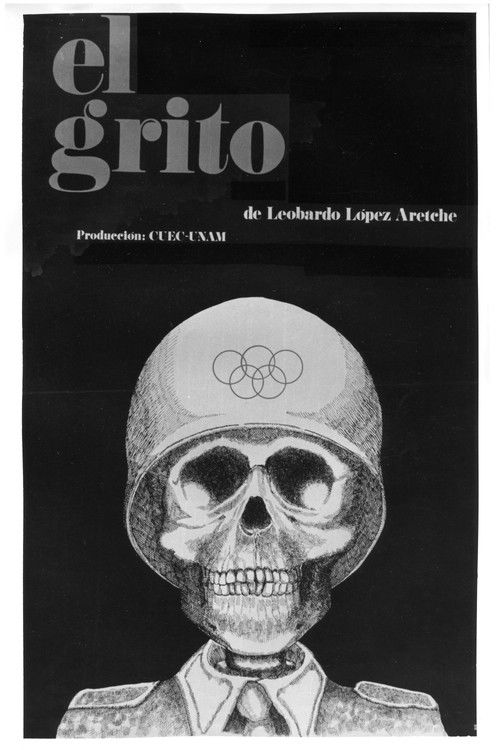
The Shout
1968
No user ratings available yet
Representation score: 3.9 out of 10

Representation Score
Good
1984
Director
Eduardo Coutinho
Runtime
119 minutes
Average Rating
No ratings yetNew Showbiz Analysis
Eduardo Coutinho’s documentary is a powerful act of narrative reconstruction that challenges official state histories. It succeeds by centering the voices of disenfranchised rural populations and the human cost of political oppression. The film excels in its exploration of class and ethnic identity, providing a vital counter-narrative to urban-centric histories. Its focus on the Northeast allows for a deep engagement with the lived experiences of the working class. However, the film lacks visible representation regarding LGBTQ+ identities and specific disability portrayals. While it offers profound sociological depth regarding gender and family, it does not prioritize the subversion of gender hierarchies.
Category Breakdown
The film focuses on the political and social struggles of rural workers following the 1964 military coup. There is no explicit evidence of LGBTQ+ character arcs or non-straight relationships present.
The narrative examines how state violence disrupts family units and gendered roles within rural communities. While it explores the domestic roles of women, it does not explicitly focus on subverting gender hierarchies.
By centering the lives of country people in the Brazilian Northeast, the film disrupts Eurocentric historical lenses. It provides high representation for populations often underrepresented in national accounts.
The film critiques oppressive political structures and the military dictatorship that disrupted communal life. It centers the rights of rural people and the subjective truths of survivors against state-mandated morality.
There is no specific evidence regarding the portrayal of physical or neurodivergent disabilities within the work.
Present on Screen
Limited or Absent
Official Synopsis
Eduardo Coutinho was filming a movie with the same name in the Northeast of Brazil, in 1964, when there came the military coup. He had to interrupt the project, and came back to it in 1981, looking for the same places and people, showing what had ocurred since then, and trying to gather a family whose patriarch, a political leader fighting for rights of country people, had been murdered.
1968
2012
1989

2021
1991
1975

2016
2011
No reviews yet. Be the first to share your thoughts on this movie!
Use the rating form above to leave a star rating and optional review.