
Forbidden Love: The Unashamed Stories of Lesbian Lives
1992
No user ratings available yet
Representation score: 6.9 out of 10
Representation Score
Excellent
1998
Director
Barbara Hammer
Runtime
60 minutes
Average Rating
No ratings yetNew Showbiz Analysis
Barbara Hammer’s work is a cornerstone of queer cinema, using experimental montage to challenge dominant social structures. By making lesbian identity the core of its narrative, the film successfully addresses issues that are often sidelined. While the film effectively subverts straight-centered power dynamics and the male gaze through female subjectivity, it lacks a diverse cast in terms of ethnicity and race. Its exploration is deeply rooted in Western art history, limiting its breadth in these areas. Ultimately, the documentary serves as a powerful tool for reclaiming erased histories. It goes beyond simple representation to actively question the systemic structures that necessitate the 'closet.'
Category Breakdown
The film centers lesbian identity and highlights the importance of queer lineages. It challenges the idea that queer identities are erased and brings visibility to suppressed histories.
This documentary disrupts traditional hierarchies by emphasizing female desire and subjectivity. Women are portrayed as primary agents of cultural production rather than secondary figures.
The focus remains primarily on gender and sexuality within the Western art canon. The specific subjects profiled do not provide a broad range of racial diversity.
The narrative critiques Western institutions and social conformity. It favors subjective truths and the reclamation of suppressed identities over mainstream historical accounts.
There is no significant evidence regarding the portrayal of physical or neurodivergent disabilities. The film's thematic focus remains centered on sexuality and gender.
Present on Screen
Limited or Absent
Official Synopsis
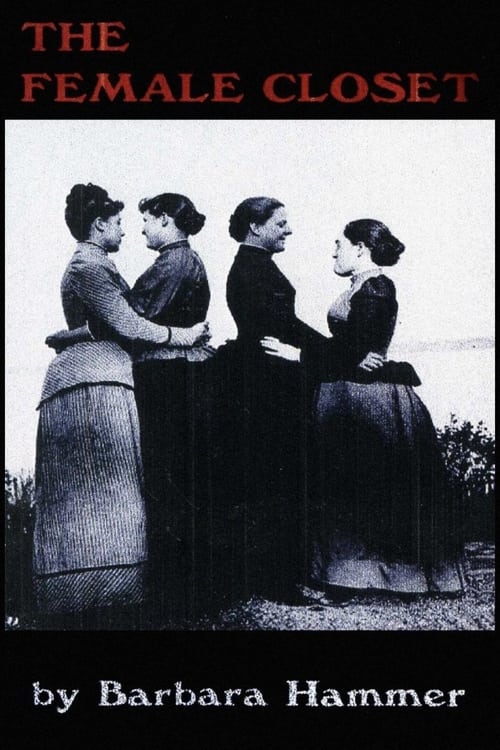
The Female Closet uses archival photographs, home movies, interviews, and other visual materials to explore the closeted lesbian stories of artists Alice Austen, Hannah Höch and Nicole Eisenman. Utilizing groundbreaking research, newly discovered home movies, and archival photographs, and other visual sources, The Female Closet is a cultural interrogation of the closeted and not-so-closeted lives of three women artists.
1992
1996
2019
1984
1992
2000
2022

2013
No reviews yet. Be the first to share your thoughts on this movie!
Use the rating form above to leave a star rating and optional review.