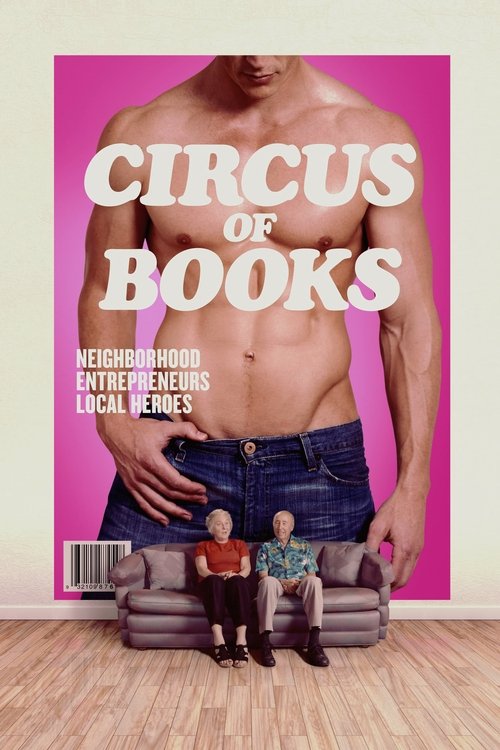
Circus of Books
2019
No user ratings available yet
Representation score: 9.4 out of 10
Representation Score
Good
2013
UnratedDirector
Antony Hickling, Charles Lum, Xavier Stentz, Todd Verow
Runtime
77 minutes
Average Rating
No ratings yetNew Showbiz Analysis
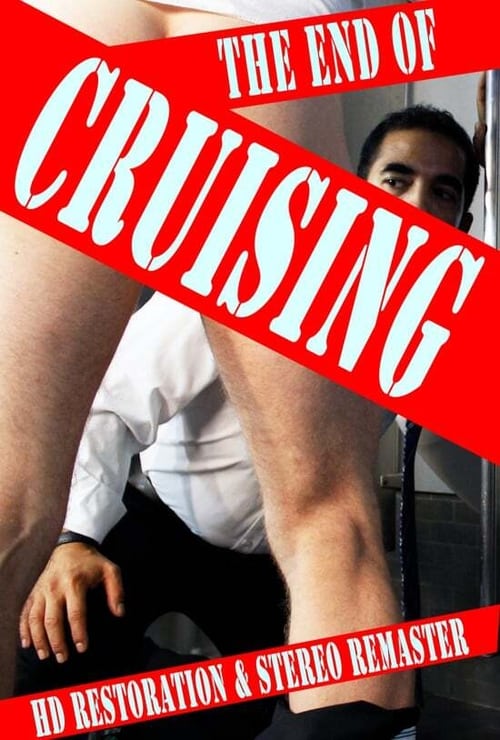
The End of Cruising serves as a crucial sociological record of queer subcultures. By documenting the evolution of gay male cruising, the film preserves the voices of underrepresented communities navigating changing social and legal environments. The documentary validates identities that exist outside traditional family structures. It uses the practice of public sex to challenge norms around public behavior and decency. While the film is deeply rooted in LGBTQ+ history, its focus remains heavily male-centric. This narrow demographic scope limits the exploration of broader gender and racial diversity.
Category Breakdown
The film focuses on gay male experiences and the history of cruising. It supports non-traditional sexualities by highlighting practices often sidelined by laws assuming everyone is straight.
The story explores flexible, non-hierarchical relationships within a queer context. However, the focus on male interactions limits the exploration of broader gender roles.
The film examines the intersection of sexuality and urban spaces in queer history. There is no clear indication of a non-Anglo-Saxon majority cast.
The documentary emphasizes lived experiences over traditional moral teachings. It uses a secular, sociological perspective to critique conservative social norms and Western ideas of privacy.
There is no information within the film about characters with visible or invisible disabilities.
Present on Screen
Limited or Absent
Official Synopsis
A documentary about gay male cruising and public sex and how it has changed over the years.
2019
1996
2010
1984
2022

1992
2010
2005
No reviews yet. Be the first to share your thoughts on this movie!
Use the rating form above to leave a star rating and optional review.