
Red Hollywood
1996
No user ratings available yet
Representation score: 5.6 out of 10
Representation Score
Fair
2007
PG-13Director
Peter Askin
Runtime
96 minutes
Average Rating
No ratings yetNew Showbiz Analysis
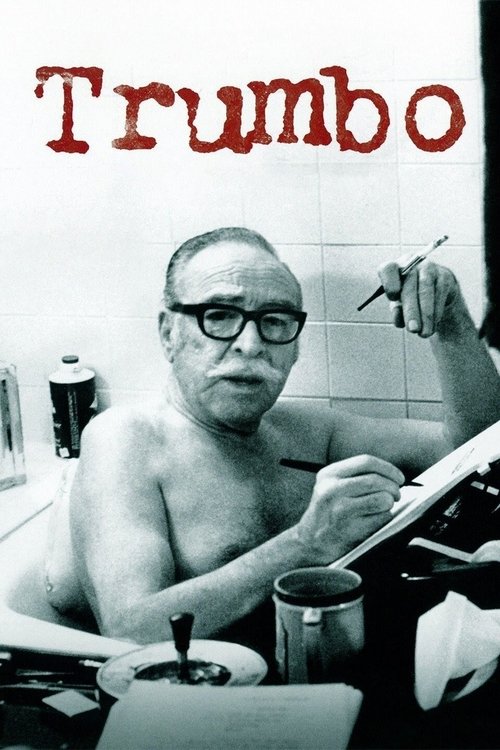
Trumbo (2007) offers a critical look at institutional power and systemic exclusion. It effectively centers the experiences of individuals victimized by the state for their ideological non-conformity. The documentary presents a nuanced study of persecution and incomplete vindication, avoiding triumphant American clichés. However, its scope is narrow regarding identity-based representation, focusing primarily on political and patriarchal structures.
Category Breakdown
The film does not include explicit LGBTQ+ characters or narratives. It focuses on the political and social issues of the Blacklist era without delving into LGBTQ+ themes.
The story centers around male characters in a male-dominated political and Hollywood environment. The narrative follows male protagonists as they navigate the challenges of the blacklist era.
The documentary examines the broader group of Hollywood Communists, which historically included diverse thinkers. However, it does not provide detailed accounts of the multi-layered struggles faced by people of color.
The film challenges traditional Western institutions by presenting congressional actions as oppressive. It highlights the corruption within state institutions and the struggles of those in exile.
There is no indication that neurodivergence, physical disabilities, or mental health conditions play a central role or drive the narrative in this documentary.
Present on Screen
Limited or Absent
Official Synopsis
Through a focus on the life of Dalton Trumbo (1905-1976), this film examines the effects on individuals and families of a congressional pursuit of Hollywood Communists after World War II. Trumbo was one of several writers, directors, and actors who invoked the First Amendment in refusing to answer questions under oath. They were blacklisted and imprisoned. We follow Trumbo to prison, to exile in Mexico with his family, to poverty, to the public shunning of his children, to his writing under others' names, and to an eventual but incomplete vindication. Actors read his letters; his children and friends remember and comment. Archive photos, newsreels and interviews add texture. Written by
1996
2012
1998
1991
2004
2012
2022

2016
No reviews yet. Be the first to share your thoughts on this movie!
Use the rating form above to leave a star rating and optional review.