
Here Comes Kelly
1943
No user ratings available yet
Diversity score: 2.8 out of 10

1943
ApprovedDirector
William Beaudine
Runtime
63 minutes
Average Rating
No ratings yetSynopsis
Ordered by a judge to get a job, Muggs McGinnis is hired by wealthy Mrs. Murray, who has a penchant for picking up trouble-prone servants. At an engagement party for Mrs. Murray's spoiled daughter Brenda, Muggs enlists his pals as extra help.
Overall Score
Limited
Category Breakdown
LGBTQ+ Representation
The film lacks LGBTQ+ characters or narratives. It adheres to 1940s romantic tropes and heteronormative social structures.
Gender Representation
Female characters like Mrs. Murray and Brenda hold economic influence but occupy traditional domestic roles. The comedy relies heavily on masculine camaraderie.
Racial & Ethnic Diversity
The film reflects the era's tendency toward homogeneous casting. It lacks evidence of diverse characters with high agency.
Religious & Cultural Diversity
The plot reinforces Western social structures and class hierarchies. It focuses on navigating existing social strata rather than critiquing them.
Disability Representation
There is no information regarding characters with visible or invisible disabilities.
Strengths
Areas for Improvement
AI Analysis
Mr. Muggs Steps Out is a product of the 1940s studio system, prioritizing traditionalist entertainment over social subversion. The narrative structure reinforces established hierarchies, from the judiciary to domestic service dynamics. The film relies on conventional gender roles and class-based social interactions. While women hold positions of influence, the comedic energy is driven by male-centric camaraderie and standard social tropes. Ultimately, the work offers minimal disruption to the status quo, reflecting the era's preference for Western-centric, homogeneous storytelling and stable social institutions.
1943

1937
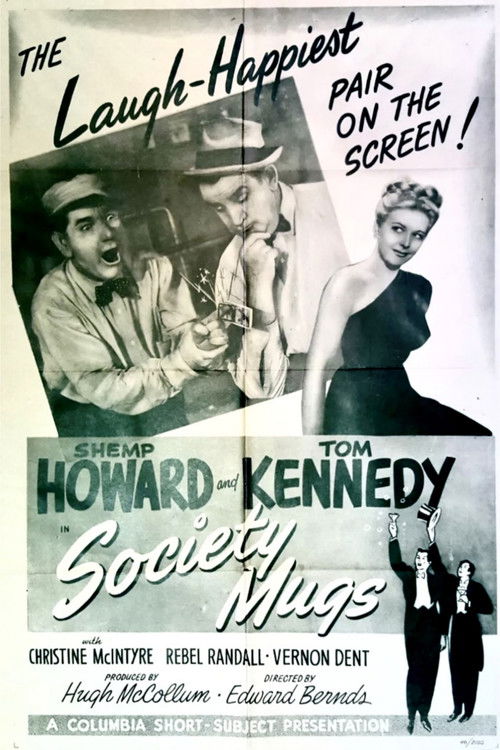
1946
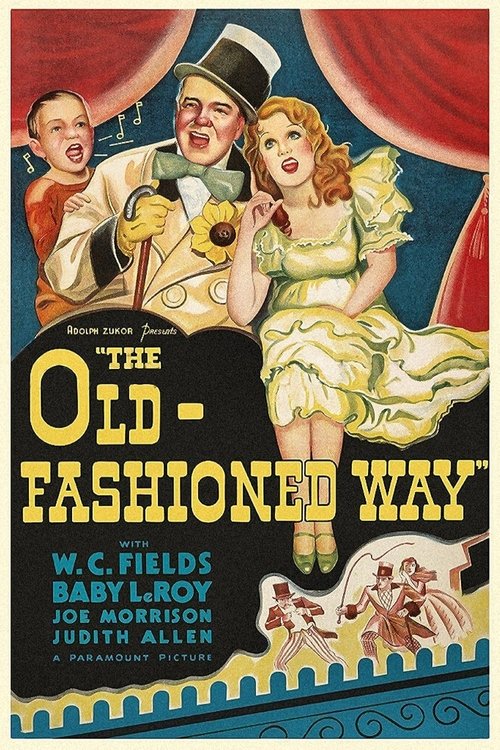
1934
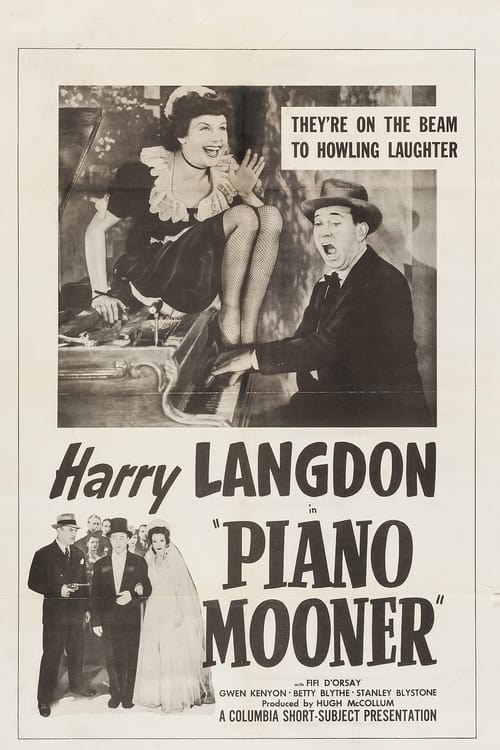
1942
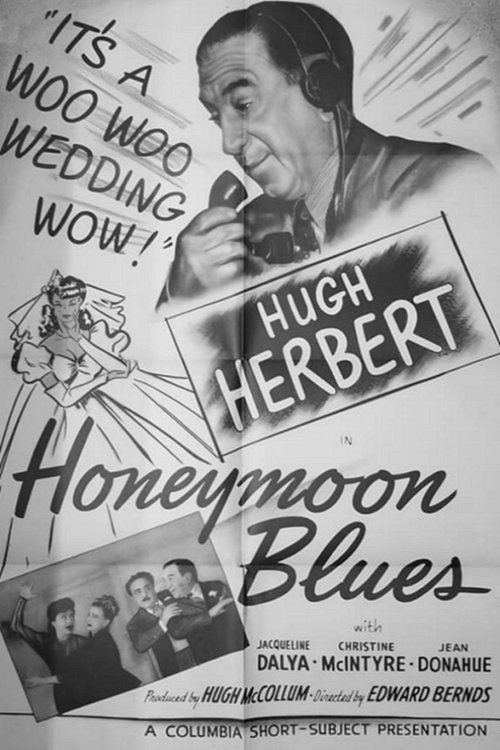
1946
1937
1943
1947
1940
1941
1932
No reviews yet. Be the first to share your thoughts on this movie!
Use the rating form above to leave a star rating and optional review.