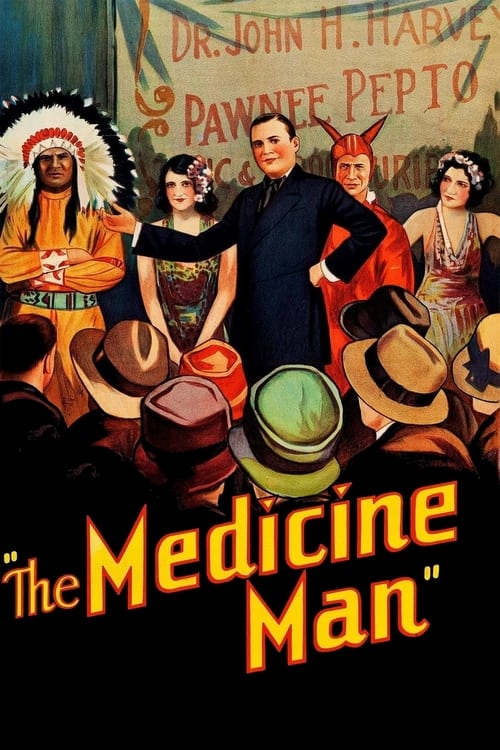
The Medicine Man
1930
No user ratings available yet
Diversity score: 2.6 out of 10
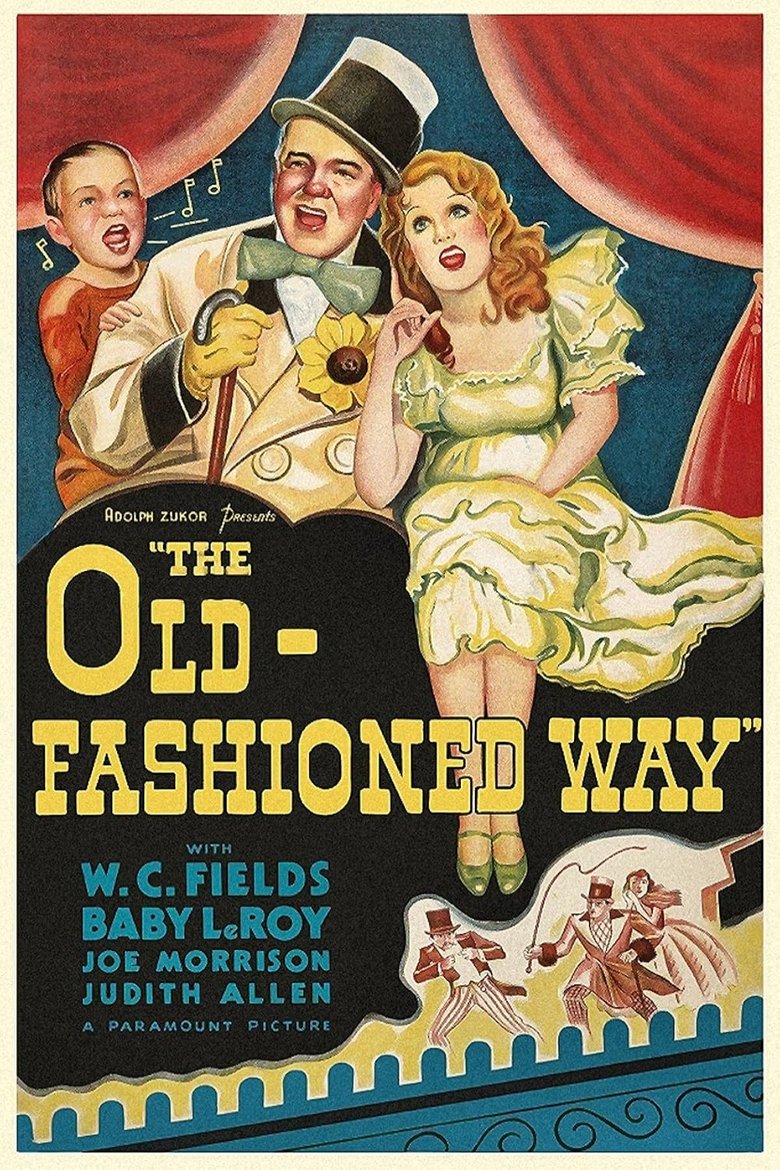
1934
ApprovedDirector
William Beaudine
Runtime
71 minutes
Average Rating
No ratings yetSynopsis
The Great McGonigle and his troupe of third-rate vaudevillians manage to stay one step ahead of the bill collectors and the sheriff.
Overall Score
Limited
Category Breakdown
LGBTQ+ Representation
The film follows conventional romantic structures typical of the early sound era. There is no evidence of non-cisnormative identities or narratives that challenge heteronormativity.
Gender Representation
Women likely possess comedic presence but operate within traditional romantic frameworks. The narrative relies on the era's standard gender roles without subverting established hierarchies.
Racial & Ethnic Diversity
The production reflects the Anglo-centric casting trends of early Hollywood. There is no evidence of non-white majority casts or race-bent casting within the troupe.
Religious & Cultural Diversity
The plot uses the 'lovable rogue' trope to frame characters evading authority. It operates within a traditional moral framework rather than offering systemic critiques.
Disability Representation
There is no evidence regarding the inclusion or portrayal of characters with physical or neurodivergent disabilities in this production.
Strengths
Areas for Improvement
AI Analysis
The film serves as a standard product of 1930s cinema, prioritizing commercial genre tropes over social subversion. It adheres strictly to the era's established social and narrative hierarchies. While the vaudevillian setting provides comedic energy, the storytelling reinforces period-specific norms regarding race, gender, and morality. The lack of diverse representation is a reflection of the studio system's homogeneity during this period.
1930
1937
1933
1935
No reviews yet. Be the first to share your thoughts on this movie!
Use the rating form above to leave a star rating and optional review.