French Fried Patootie
1941
No user ratings available yet
Representation score: 0.9 out of 10
Representation Score
Minimal
1947
ApprovedDirector
Jules White
Runtime
18 minutes
Average Rating
No ratings yetNew Showbiz Analysis
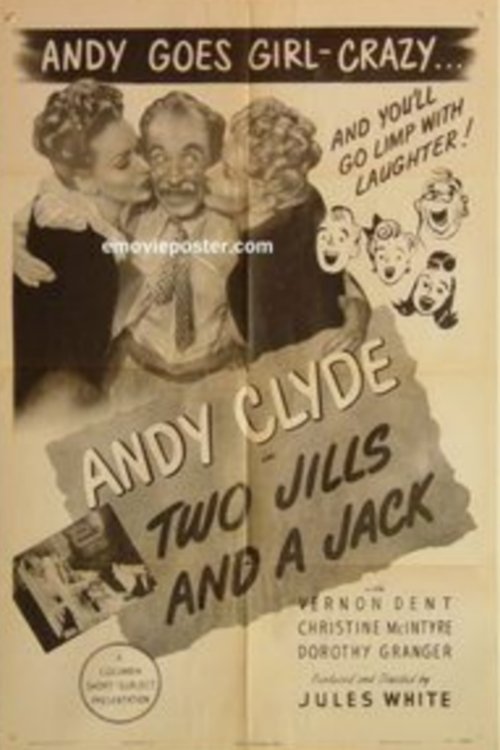
Two Jills and a Jack is a product of its era, deeply embedded in the mid-20th-century cinematic conventions of slapstick comedy. The film's structure reinforces existing social and gender hierarchies rather than challenging them. The narrative centers on traditional romantic clichés, such as jealousy and courtship, which often relegate female characters to secondary roles. This reliance on established comedic formulas limits the potential for diverse or subversive storytelling. Overall, the film lacks intentionality regarding characters who reflect more than one aspect of diversity, reflecting the homogeneous and straight-centered standards of 1947 studio productions.
Category Breakdown
The film does not depict any non-traditional gender identities or same-sex relationships. The story revolves around heterosexual romantic complications involving a former sweetheart.
Female characters primarily serve as catalysts for male comedic conflicts or objects of pursuit. The narrative relies on traditional courtship dynamics and romantic jealousy.
The production reflects the homogeneous casting typical of 1947 studio comedies. There is no evidence of diverse racial representation or efforts to disrupt social norms.
The plot operates within a framework of conventional social stability and romantic morality. It reinforces traditional Western social structures rather than critiquing them.
There is no mention of characters with visible or invisible disabilities within the narrative.
Present on Screen
Limited or Absent
Official Synopsis
Andy thinks that his former sweetheart is now married to an old friend.
1941
1945
1944
1953
1943
1946
1946
1942
No reviews yet. Be the first to share your thoughts on this movie!
Use the rating form above to leave a star rating and optional review.