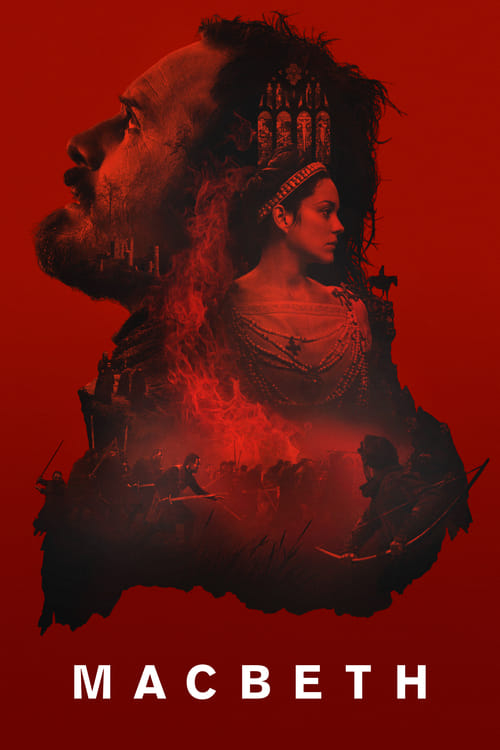
Macbeth
2015
No user ratings available yet
Diversity score: 4.1 out of 10
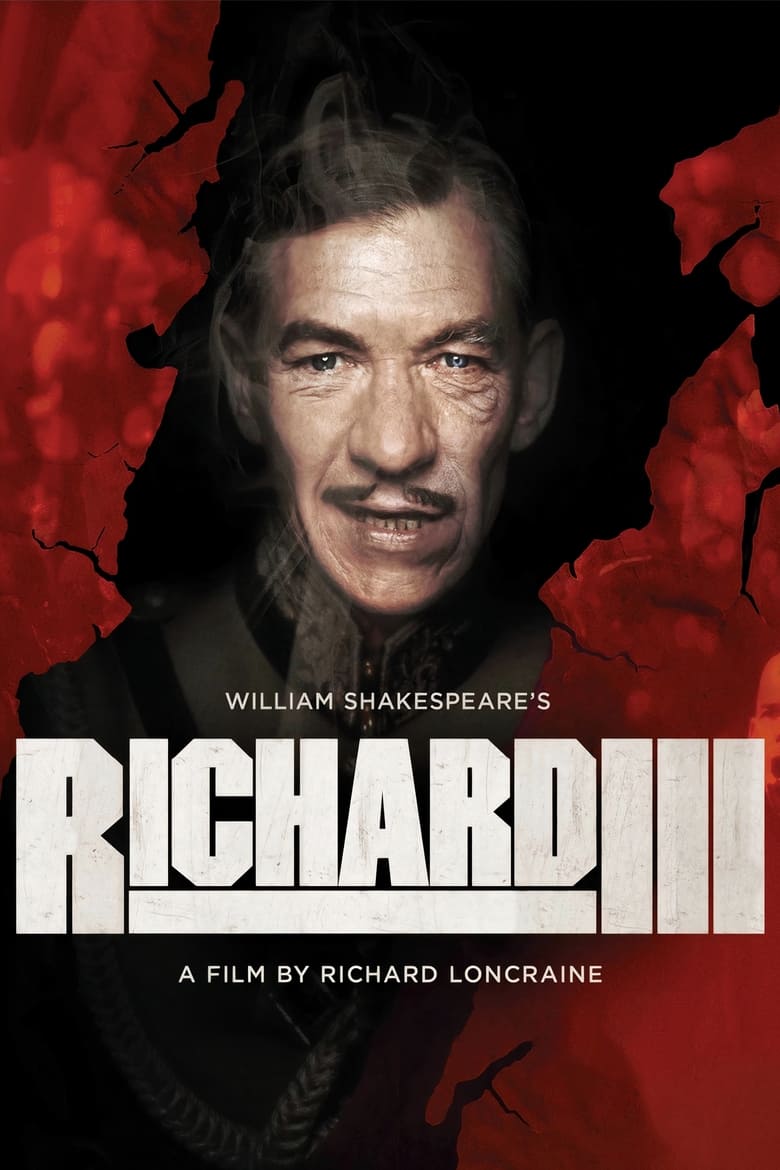
1995
RRuntime
104 minutes
Average Rating
No ratings yetSynopsis
A murderous lust for the British throne sees Richard III descend into madness. Though the setting is transposed to the 1930s, England is torn by civil war, split between the rivaling houses of York and Lancaster. Richard aspires to a fascist dictatorship, but must first remove the obstacles to his ascension—among them his brother, his nephews and his brother's wife. When the Duke of Buckingham deserts him, Richard's plans are compromised.
Overall Score
Fair
Category Breakdown
LGBTQ+ Representation
The film focuses entirely on heteronormative power dynamics and traditional romantic manipulation. No queer subtext or non-cisnormative identities appear within the character arcs.
Gender Representation
Women act as central political agents rather than domestic figures. Characters like Queen Margaret and Lady Anne engage in high-stakes maneuvering and pass the Bechdel test.
Racial & Ethnic Diversity
The cast is predominantly white and Anglo-Saxon, reflecting a mid-20th-century European fascist setting. The film does not use diverse casting to challenge these period constraints.
Religious & Cultural Diversity
The narrative critiques Western institutions by framing the state as a vehicle for corruption. It portrays the breakdown of the traditional family unit as a casualty of ambition.
Disability Representation
The protagonist's physical deformity serves as a metaphor for his social alienation. However, the film often uses physical difference as a narrative driver for villainy.
Strengths
Areas for Improvement
AI Analysis
Richard Loncraine’s adaptation succeeds in deconstructing authority by transposing Shakespearean drama into a 1930s fascist aesthetic. This setting allows for a sophisticated critique of totalitarianism and institutional corruption. While the film lacks demographic breadth, particularly regarding racial and LGBTQ+ representation, it excels in its psychological depth. The narrative challenges the sanctity of the state and traditional social hierarchies through a postmodernist lens. Ultimately, the film's strength lies in its subversion of power structures rather than its inclusivity of diverse identities.
2015
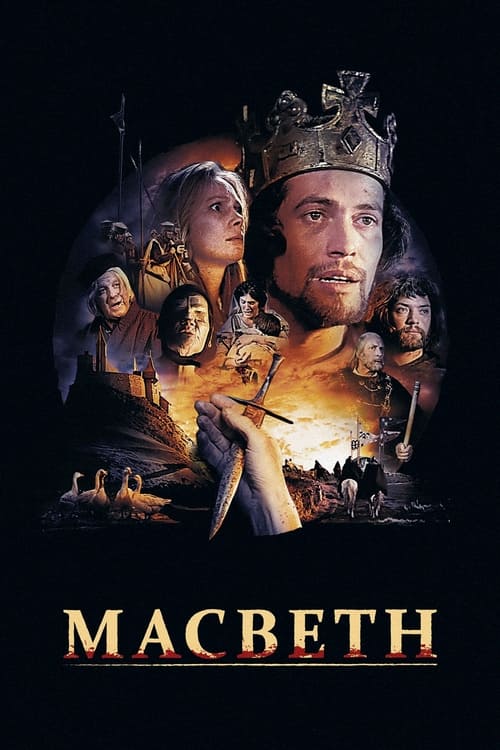
1971
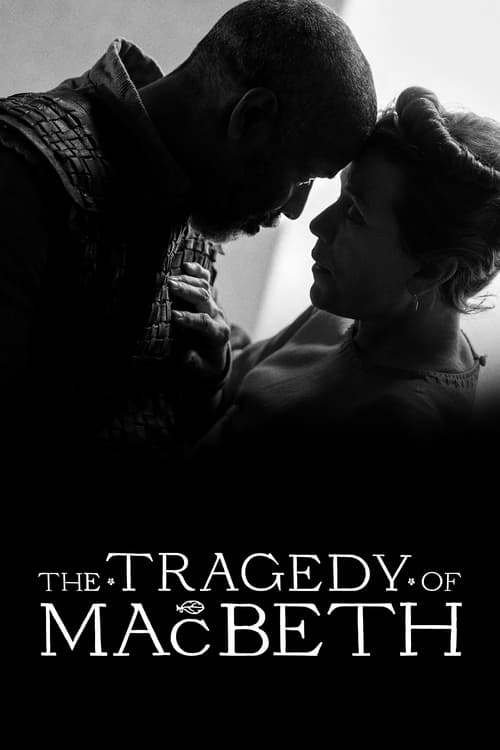
2021
1957

2006
2019

1943
1964
2008
1980
2001
1989
No reviews yet. Be the first to share your thoughts on this movie!
Use the rating form above to leave a star rating and optional review.