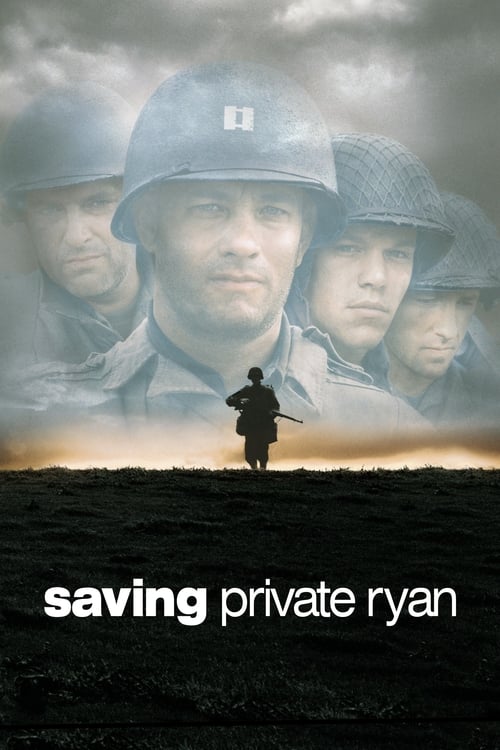
Saving Private Ryan
1998
No user ratings available yet
Representation score: 2.1 out of 10
Representation Score
Limited
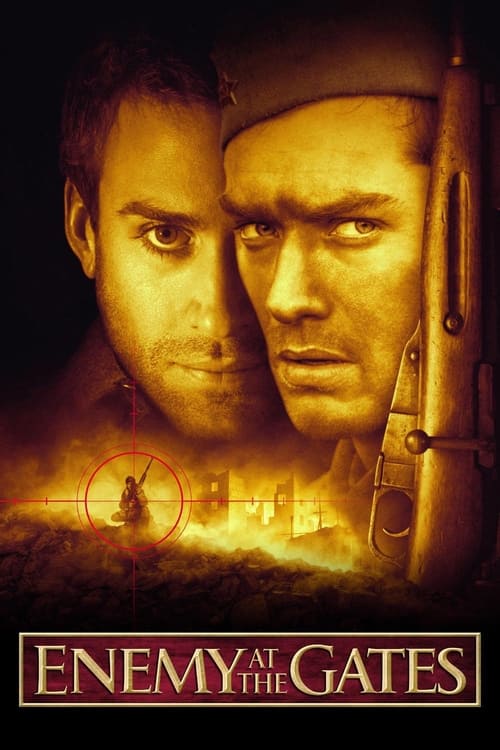
2001
RDirector
Jean-Jacques Annaud
Runtime
131 minutes
Average Rating
No ratings yetNew Showbiz Analysis
Enemy at the Gates is a traditional historical epic that emphasizes the raw reality of combat and individual heroism. The film adheres to a historically grounded social structure, focusing on the psychological impact of war through a masculine perspective. It does not challenge or subvert traditional gender, racial, or cultural norms, choosing instead to maintain historical accuracy.
Category Breakdown
The film focuses on a strictly heterosexual and cisgender environment, with no representation of LGBTQ+ identities or narratives.
The story is dominated by male combatants, with female characters serving mainly as romantic interests or supporting figures rather than as leaders or agents of change.
The casting reflects the historical diversity of Soviet and German combatants, capturing the varied socioeconomic backgrounds of the Soviet population.
The film presents a morally ambiguous world where survival trumps traditional ethics. It portrays the Soviet military as a harsh, pragmatic force that prioritizes tactical success over religious beliefs.
Disability is shown through combat-related injuries and trauma, highlighting the costs of war without delving into the experiences or ability to act of disabled characters.
Present on Screen
Limited or Absent
Official Synopsis
A Russian and a German sniper play a game of cat-and-mouse during the Battle of Stalingrad in WWII.
1998

1964
2016
1955
2006
1969

1981
1981
No reviews yet. Be the first to share your thoughts on this movie!
Use the rating form above to leave a star rating and optional review.