
Hangmen Also Die!
1943
No user ratings available yet
Representation score: 4.1 out of 10
Representation Score
Limited
2008
PG-13Director
Bryan Singer
Runtime
121 minutes
Average Rating
No ratings yetNew Showbiz Analysis
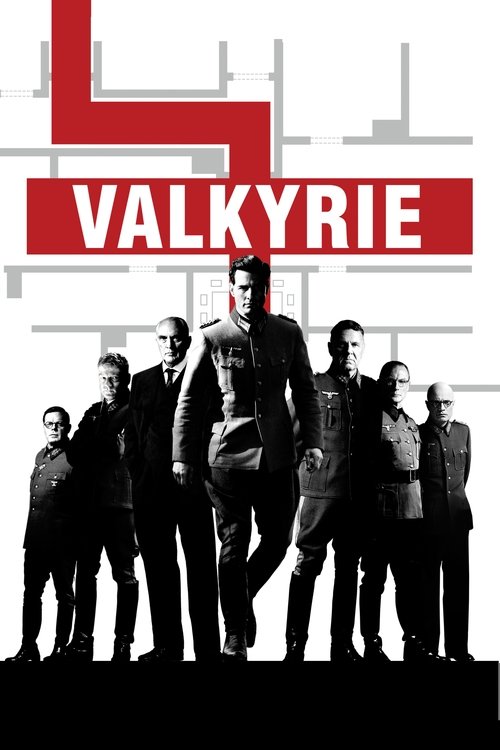
Valkyrie functions as a period-accurate historical biopic that prioritizes the mechanics of a military coup over social subversion. The film's structure reinforces the traditional demographic and gendered hierarchies of the 1940s German military. While the film achieves historical fidelity, it does so by operating within a narrow demographic vacuum. The focus remains on the ethical weight of treason and individual conscience rather than challenging systemic social structures. Ultimately, the film's commitment to historical realism results in a lack of diverse representation, centering a predominantly white, male-driven narrative that reflects the era's specific power dynamics.
Category Breakdown
The film maintains a strictly straight-centered structure, focusing on the historical realities of the German military class without introducing queer narratives or non-cisgender identities.
The narrative is driven almost exclusively by male protagonists within military hierarchies. Female characters occupy secondary, domestic, or supportive roles with very little control over their own lives.
The cast is predominantly white, adhering to the demographic realities of the Third Reich's high command. It lacks representation of different races or ethnicities within central power structures.
The film critiques totalitarianism through the lens of moral duty and institutional corruption. It avoids religious polemics, focusing instead on the tension between legal oaths and conscience.
Stauffenberg’s physical disability is a central biographical detail. While it serves as a symbol of his sacrifice, the film does not explore broader themes of neurodivergence or personal ability to act.
Present on Screen
Limited or Absent
Official Synopsis
Wounded in Africa during World War II, Nazi Col. Claus von Stauffenberg returns to his native Germany and joins the Resistance in a daring plan to create a shadow government and assassinate Adolf Hitler. When events unfold so that he becomes a central player, he finds himself tasked with both leading the coup and personally killing the Führer.
1943

1976

2016

2016

2009

1955
2017
1967
No reviews yet. Be the first to share your thoughts on this movie!
Use the rating form above to leave a star rating and optional review.