
Paths of Glory
1957
No user ratings available yet
Representation score: 3.2 out of 10
Representation Score
Limited
1980
PGDirector
Bruce Beresford
Runtime
107 minutes
Average Rating
No ratings yetNew Showbiz Analysis
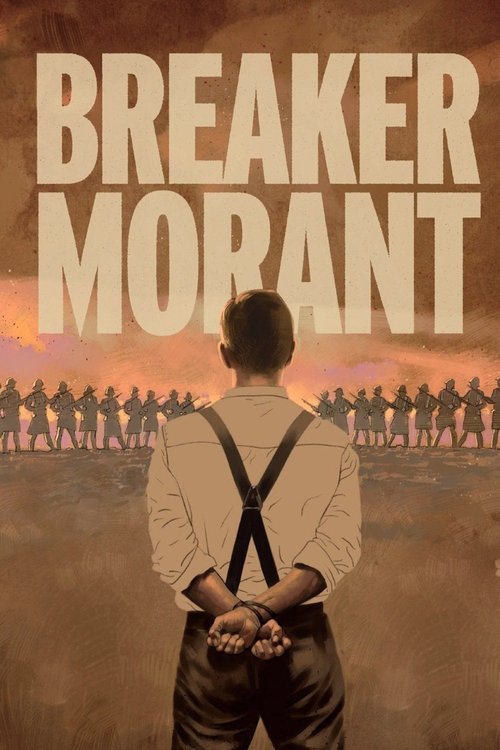
Breaker Morant is a film that critiques institutions rather than broad demographic representation. It performs poorly in traditional representation metrics, particularly concerning gender and LGBTQ+ identities, which are nearly nonexistent in the military context. However, the film's strength lies in its cultural and political perspective. By deconstructing the British Empire and questioning the legitimacy of state-sanctioned authority, it transcends a typical war drama into a critique of imperial corruption. Ultimately, the film's value is in its anti-imperialist themes and its refusal to glorify the 'war hero' stereotype, despite being predominantly male-centric.
Category Breakdown
The film focuses solely on the male-dominated colonial military structure and does not include any LGBTQ+ characters or non-straight relationships.
The film adheres to a traditional patriarchal framework centered around male roles. Female characters are noticeably absent from the main storyline.
The cast is primarily white, but the film provides a critique of the British Imperial system. Boer characters act as a catalyst but lack detailed individual stories.
The film excels in its nuanced deconstruction of the British Empire, portraying military and legal systems as tools of political convenience rather than justice.
There are no prominent depictions of physical or neurodivergent disabilities within the main character arcs.
Present on Screen
Limited or Absent
Official Synopsis
During the Boer War, three Australian lieutenants are on trial for shooting Boer prisoners. Though they acted under orders, they are being used as scapegoats by the General Staff, who hopes to distance themselves from the irregular practices of the war. The trial does not progress as smoothly as expected by the General Staff, as the defence puts up a strong fight in the courtroom.
1957
1954
2019
1964
1989
1937
1957
1981
No reviews yet. Be the first to share your thoughts on this movie!
Use the rating form above to leave a star rating and optional review.