The Lion in Winter
1968
No user ratings available yet
Representation score: 3.0 out of 10
Representation Score
Limited
1964
NRDirector
Anthony Mann
Runtime
188 minutes
Average Rating
No ratings yetNew Showbiz Analysis
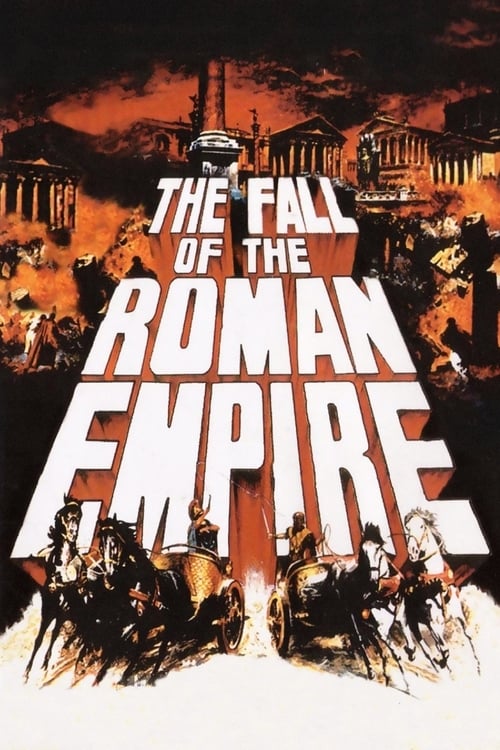
The film is a classic period epic that prioritizes the deconstruction of authority over modern demographic variety. Its strength lies in its narrative complexity, specifically how it portrays the fragility of systemic structures and the moral decay of leadership. However, the work remains a product of its era, lacking intentional characters who reflect more than one aspect of diversity. It misses opportunities to include diverse identities, focusing instead on the historical mechanics of imperial collapse. Ultimately, the film's value is found in its philosophical critique of power rather than its social inclusivity.
Category Breakdown
The film does not include any LGBTQ+ characters or non-straight identities. It follows the social structures of the period without any queer undertones.
While the hierarchy is male-dominated, Lucilla disrupts traditional gender roles. She plays a significant role in driving the story through political maneuvering and intellectual influence within the imperial court.
The film presents a multicultural landscape reflecting the empire's vastness. However, this representation lacks modern intentionality, functioning as a standard historical depiction rather than deliberate inclusion of diverse backgrounds.
The narrative offers a sophisticated critique of centralized power and institutional stability. It deconstructs imperial dominance by framing the empire's decline as a descent into systemic corruption.
There is no significant or meaningful depiction of visible or invisible disabilities within the primary character arcs.
Present on Screen
Limited or Absent
Official Synopsis
In the year 180 A.D. Germanic tribes are about to invade the Roman empire from the north. In the midst of this crisis ailing emperor Marcus Aurelius has to make a decision about his successor between his son Commodus, who is obsessed by power, and the loyal general Gaius Livius.
1968
1953

1951
1970
1963
1961
1968

1956
No reviews yet. Be the first to share your thoughts on this movie!
Use the rating form above to leave a star rating and optional review.