Land and Freedom
1995
No user ratings available yet
Representation score: 6.3 out of 10
Representation Score
Limited
2006
NRDirector
Ken Loach
Runtime
127 minutes
Average Rating
No ratings yetNew Showbiz Analysis
Ken Loach creates a film that prioritizes socio-political inquiry over modern identity-based issues. The film excels in its critical examination of imperial authority and religious hegemony. However, the narrative structure is limited by its focus on male-driven political ability to act. The lack of representation of diverse sexual or gender identities and the relegation of women to supportive roles reinforces traditional social hierarchies. Despite this, the film provides a realistic look at the socioeconomic struggles of the peasantry.
Category Breakdown
The film adheres to a traditional framework that assumes everyone is straight or cisgender. It focuses on masculine bonds and rural life, with no representation of diverse sexual or gender identities.
The film centers on male-driven conflict between brothers, emphasizing political ability to act. Women play important roles in the community but are often confined to domestic or supportive roles.
The film examines the Irish struggle for self-determination against British occupation. It presents a post-colonial study of ethnic identity and national sovereignty.
The film offers a nuanced critique of the influence of the Catholic Church and colonial capitalism on the revolutionary movement.
Characters with disabilities are not prominently featured as central narrative drivers in the film.
Present on Screen
Limited or Absent
Official Synopsis
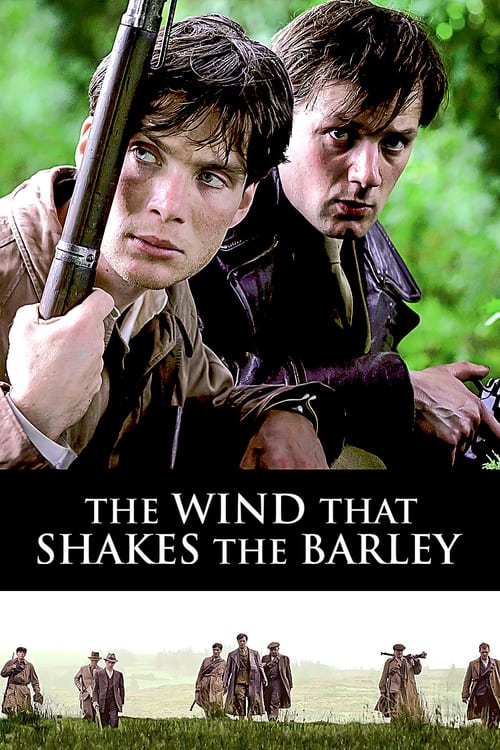
In 1920s Ireland young doctor Damien O'Donovan prepares to depart for a new job in a London hospital. As he says his goodbyes at a friend's farm, British Black and Tans arrive, and a young man is killed. Damien joins his brother Teddy in the Irish Republican Army, but political events are soon set in motion that tear the brothers apart.
1995

1979
1996
2002
2014

1981
2008

1932
No reviews yet. Be the first to share your thoughts on this movie!
Use the rating form above to leave a star rating and optional review.