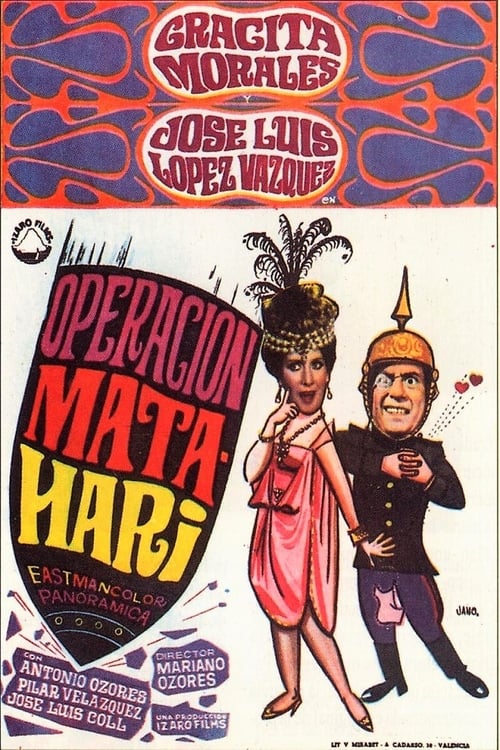
Operation Mata Hari
1968
No user ratings available yet
Representation score: 1.4 out of 10
Representation Score
Limited
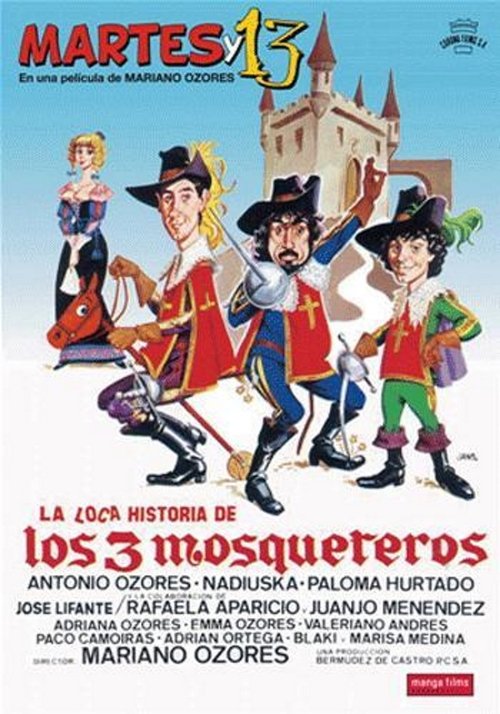
1983
Director
Mariano Ozores Puchol
Runtime
91 minutes
Average Rating
No ratings yetNew Showbiz Analysis
This comedic reimagining of the Dumas classic prioritizes broad slapstick and populist entertainment over progressive representation. The film stays within the established conventions of 1980s Spanish farce, focusing on genre clichés rather than social deconstruction. The production lacks a systemic effort to implement complex identity-based narratives or multi-layered approaches. It remains a traditional genre piece that favors entertainment through established formulas. Ultimately, the film reflects the demographic and narrative norms of its time, offering little disruption to social or cultural hierarchies.
Category Breakdown
The film follows the comedic traditions of its era and does not include non-straight or non-cisgender identities. It also does not challenge the idea that everyone is straight or cisgender.
The film relies on established genre archetypes and does not make an effort to challenge traditional gender hierarchies or give more control to female characters.
The casting likely reflects a homogeneous Mediterranean population, similar to the demographic makeup of contemporary Spanish cinema from this period.
As a genre parody, the film reinforces traditional storytelling structures focused on individual adventure rather than systemic or identity-based power dynamics.
There is no evidence of characters with visible or invisible disabilities. Physical traits may be used for slapstick humor rather than to show character control.
Present on Screen
Limited or Absent
1968
1985
1973
1983
1993
1985
1963
1991
No reviews yet. Be the first to share your thoughts on this movie!
Use the rating form above to leave a star rating and optional review.