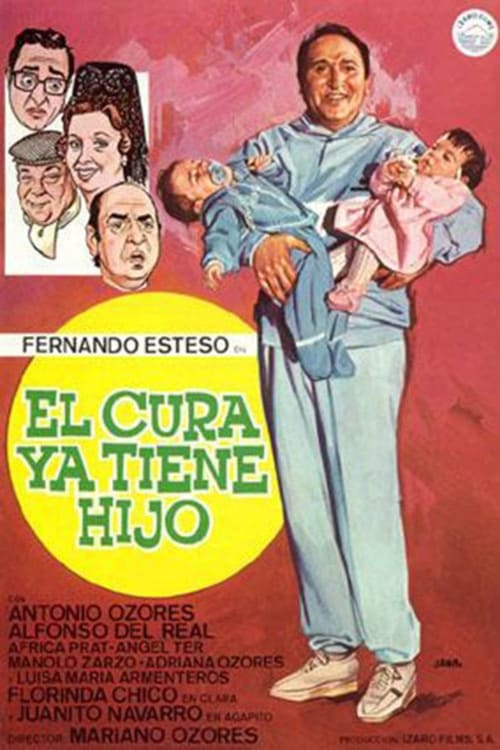
El cura ya tiene hijo
1984
No user ratings available yet
Diversity score: 2.8 out of 10

1982
Director
Mariano Ozores Puchol
Runtime
85 minutes
Average Rating
No ratings yetOverall Score
Limited
Category Breakdown
LGBTQ+ Representation
The film lacks any evidence of non-cisnormative gender identities. It operates within the standard social frameworks of its era without critiquing heteronormativity.
Gender Representation
The narrative likely reinforces conventional gender roles common to 1982. There is no indication of women occupying roles of superior intellect or subverting masculine authority.
Racial & Ethnic Diversity
The story centers on a Eurocentric perspective tied to colonial expansion. There is no evidence of race-bent casting or a non-white majority cast.
Religious & Cultural Diversity
The film engages with traditional Western historical milestones. It does not promote secularism, atheism, or anti-capitalist sentiments, aligning instead with conventional cultural values.
Disability Representation
There is no documented evidence regarding the inclusion or portrayal of characters with physical or neurodivergent disabilities.
Strengths
Areas for Improvement
AI Analysis
This period comedy functions as a traditional narrative that aligns with the social and cultural norms of its production era. It prioritizes conventional storytelling over the disruption of established social hierarchies or the inclusion of intersectional identities. The film's structure appears rooted in the populist humor and genre tropes typical of Mariano Ozores Puchol's work. It lacks a history of intentional intersectional subversion or the deconstruction of systemic power dynamics. Ultimately, the production maintains a Eurocentric lens, focusing on historical Western exploration without challenging the status quo through a framework of systemic critique.
1984

1970

1974

1973

1985

1981
1983
1979
1982
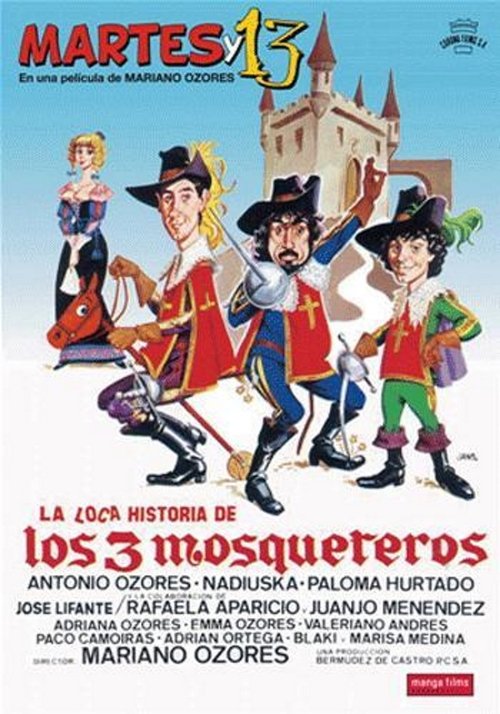
1983
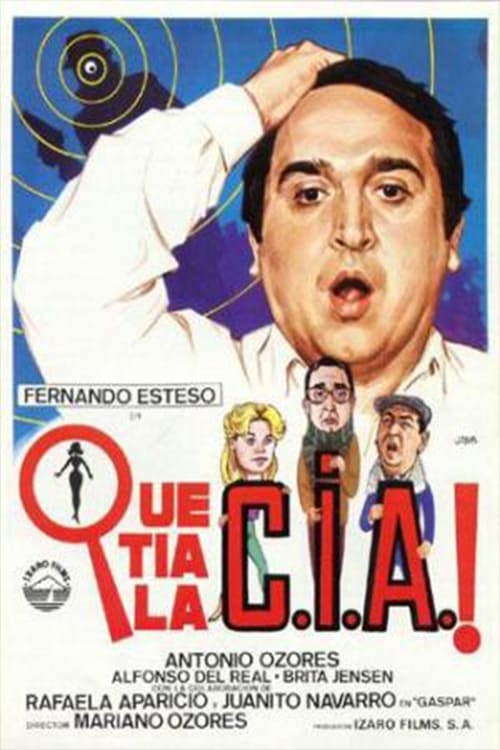
1985
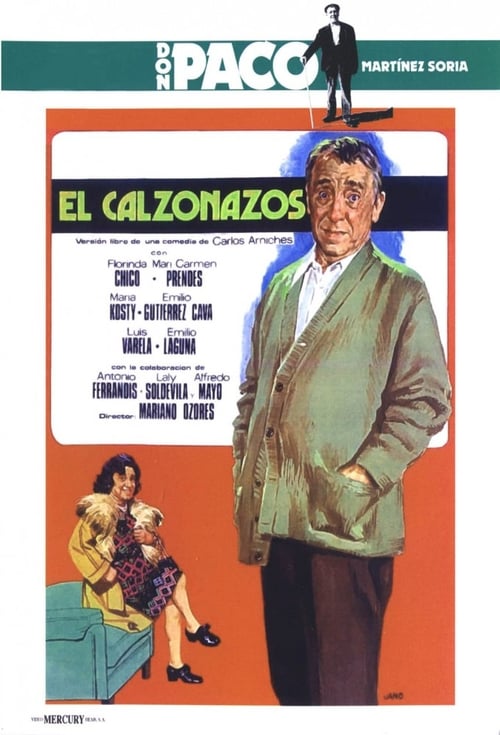
1974
No reviews yet. Be the first to share your thoughts on this movie!
Use the rating form above to leave a star rating and optional review.