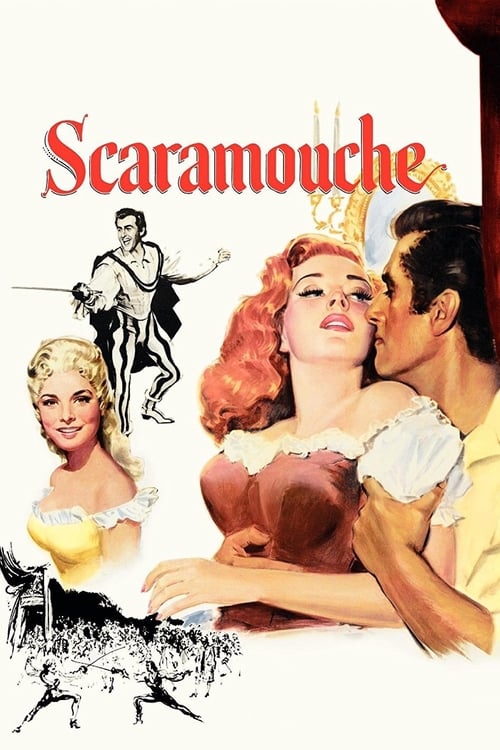
Scaramouche
1952
No user ratings available yet
Diversity score: 2.9 out of 10
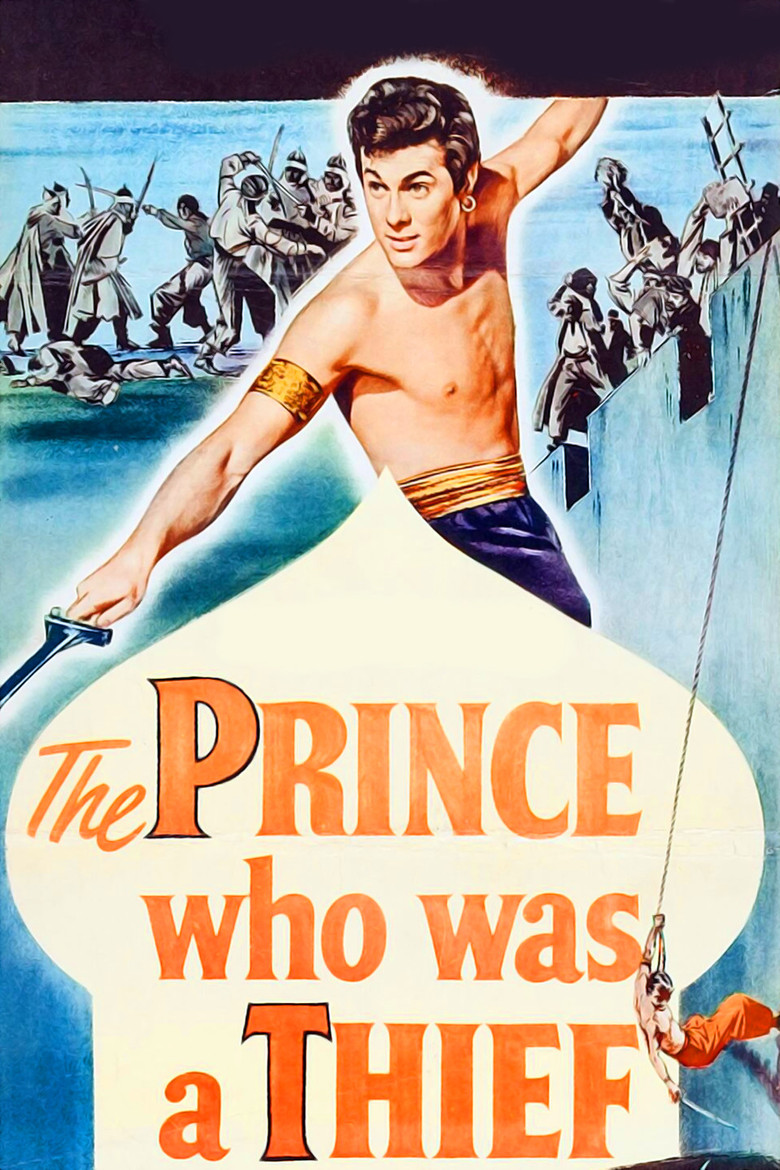
1951
NRDirector
Rudolph Maté
Runtime
89 minutes
Average Rating
No ratings yetSynopsis
An Arabian prince, kidnapped at birth and raised as a thief, plots to regain his throne from his evil uncle in this colorful costume adventure.
Overall Score
Limited
Category Breakdown
LGBTQ+ Representation
The film adheres to mid-century heteronormative standards. There is no evidence of non-cisnormative gender identities or same-sex intimacy within the character arcs.
Gender Representation
Narrative focus centers on male agency and traditional heroic archetypes. Female characters occupy secondary roles that support the primary male-driven trajectory.
Racial & Ethnic Diversity
Casting leans toward a Westernized, Eurocentric aesthetic despite the Arabian setting. The production lacks authentic ethnic complexity or significant non-white representation in primary roles.
Religious & Cultural Diversity
The story utilizes a 'noble outlaw' trope to critique corrupt authority. However, it remains rooted in conventional adventure morality without broader systemic themes.
Disability Representation
There are no prominent depictions of visible or invisible disabilities that drive the narrative or provide character depth.
Strengths
Areas for Improvement
AI Analysis
The film is a product of its temporal context, relying on established mid-century tropes. It prioritizes a singular, male-centric heroic journey that reinforces traditional Western cinematic norms. While the narrative offers a mild critique of corrupt authority through its outlaw protagonist, it lacks intersectional complexity. The production fails to subvert social hierarchies or provide diverse casting. Ultimately, the film functions as a standard adventure piece that reinforces conventional gender, racial, and social structures of the 1950s.
1952

1951

1947

1922
1952

1954

1955
1954
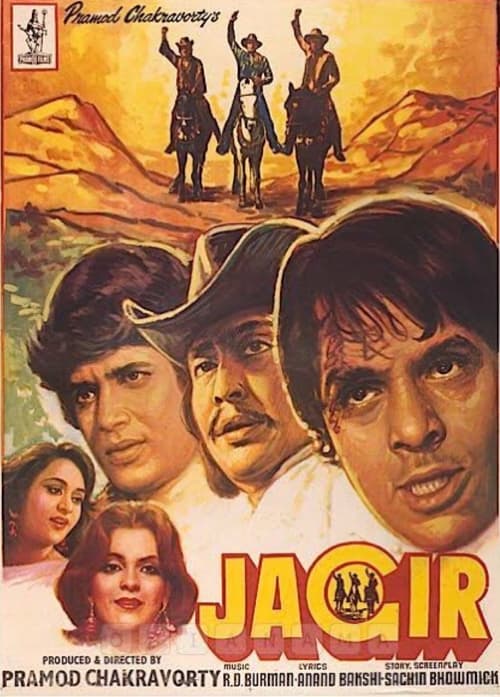
1984

1925
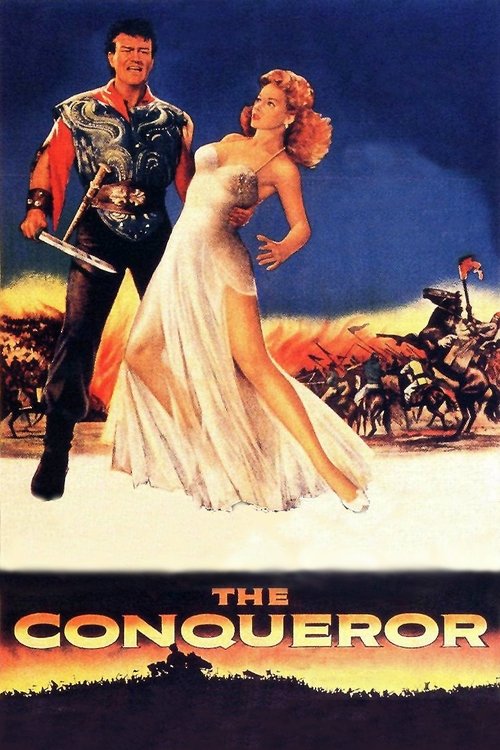
1956
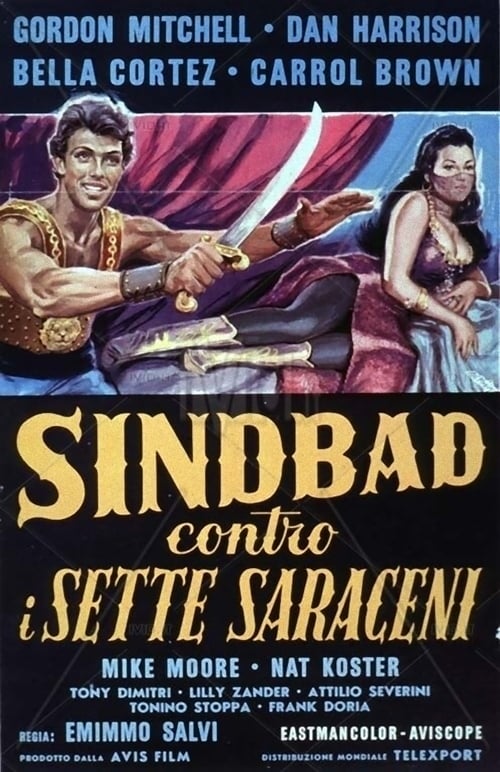
1964
No reviews yet. Be the first to share your thoughts on this movie!
Use the rating form above to leave a star rating and optional review.