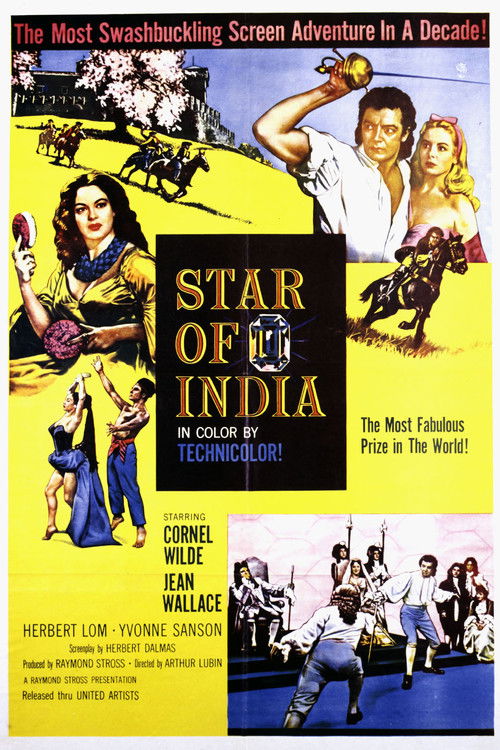
Star of India
1954
No user ratings available yet
Representation score: 2.0 out of 10
Representation Score
Limited
1947
ApprovedDirector
Max Ophüls
Runtime
95 minutes
Average Rating
No ratings yetNew Showbiz Analysis
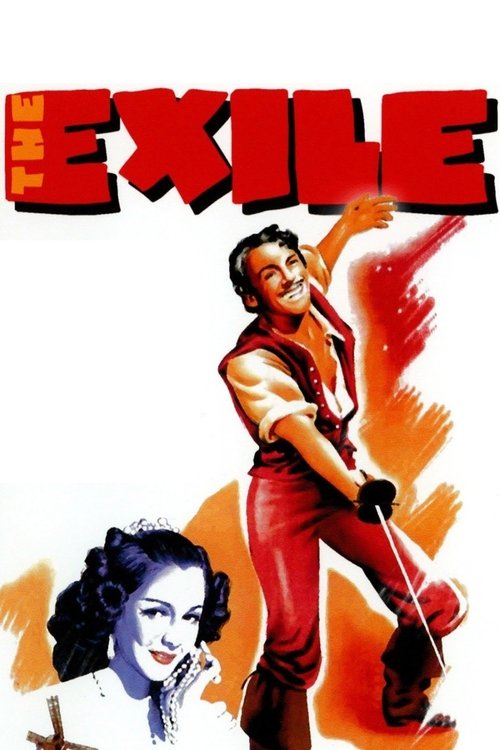
The Exile is a classic period adventure that emphasizes romantic escapism and swashbuckling action over social deconstruction. It adheres to the conventions of the 1940s studio system, reinforcing the demographic norms of its 17th-century setting. Max Ophüls directs with technical sophistication, but the narrative remains anchored in conventional clichés. The story centers on the personal journey of Charles II without engaging with modern diversity or systemic challenges. Ultimately, the film reflects the era's limitations, offering a localized political drama that lacks contemporary diversity or progressive themes.
Category Breakdown
The film centers on a heterosexual relationship and does not include any queer subtext or non-assuming gender matches what was assigned at birth identities.
Gender roles adhere to mid-century adventure clichés. Katie's role is primarily defined by her relationship to the male protagonist, serving as an emotional support.
The setting and cast reflect the homogeneous demographics of 17th-century Europe, focusing on Anglo-Saxon and Western European characters without significant racial diversity.
The narrative delves into themes of displacement and the tension between political institutions and individual privacy, using historical conflicts as a backdrop for a romantic journey.
There is no notable focus on physical or neurodivergent representation in this historical period piece.
Present on Screen
Limited or Absent
Official Synopsis
In 17th-century England, Charles II, the rightful heir to the kingdom, is driven from his country by militants working for rogue leader Oliver Cromwell. Charles ends up in the Netherlands, where he falls for local beauty Katie and spends his days happily in the quiet countryside. Unfortunately, Cromwell's associate Col. Ingram and his men track Charles down, and the would-be monarch must resort to swashbuckling his way to freedom.
1954
1964
1937
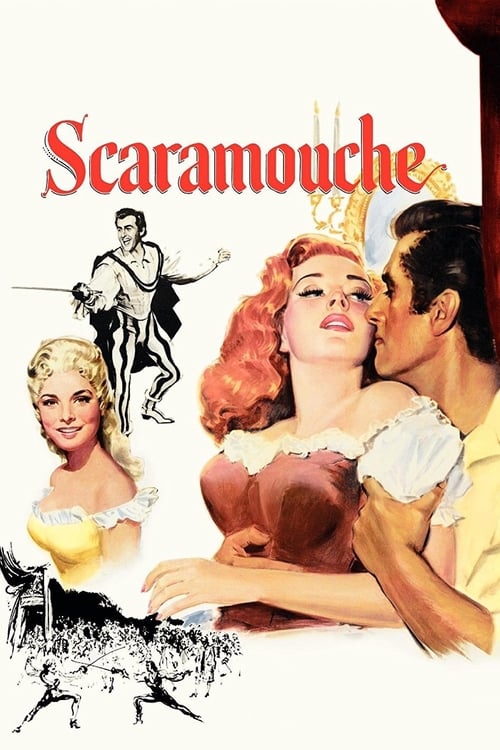
1952
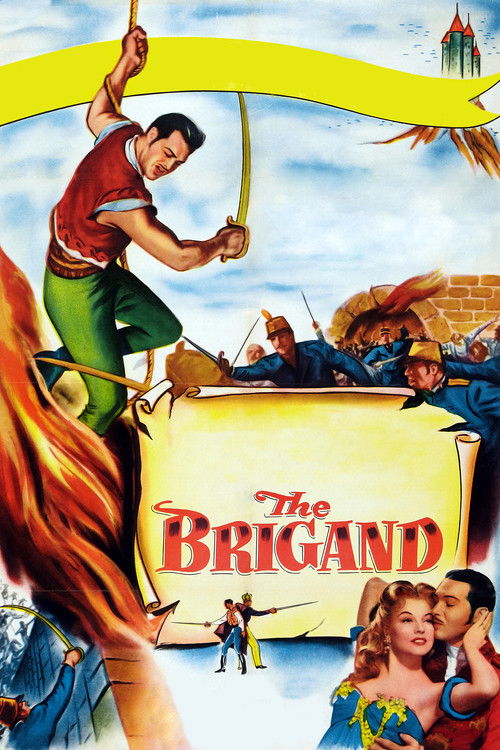
1952
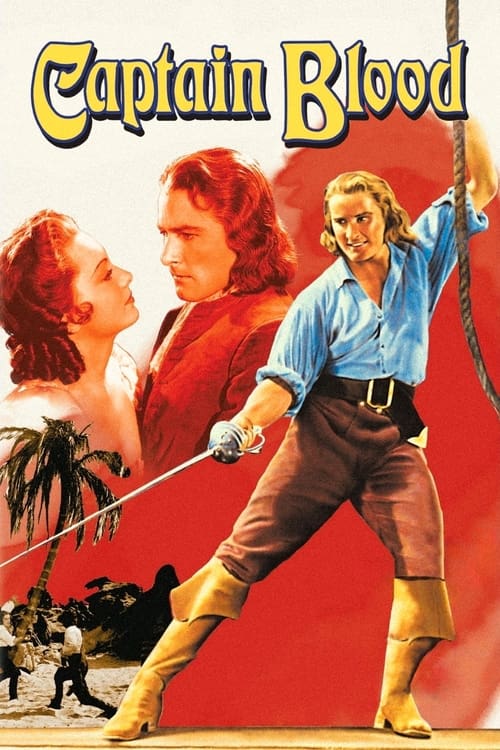
1935
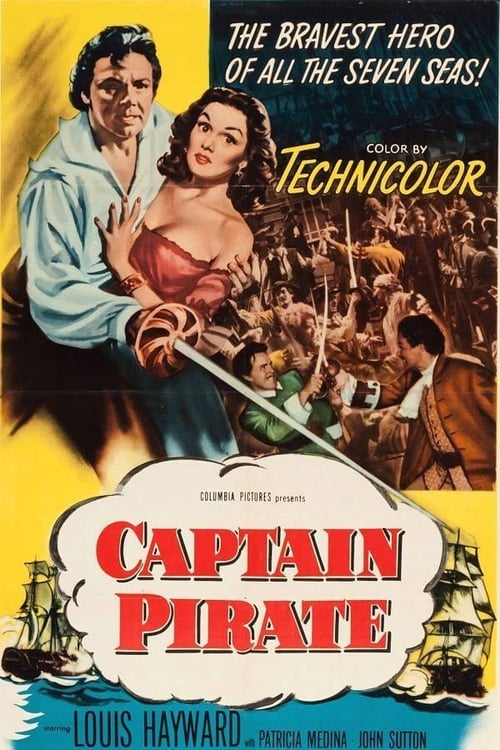
1952
1940
No reviews yet. Be the first to share your thoughts on this movie!
Use the rating form above to leave a star rating and optional review.