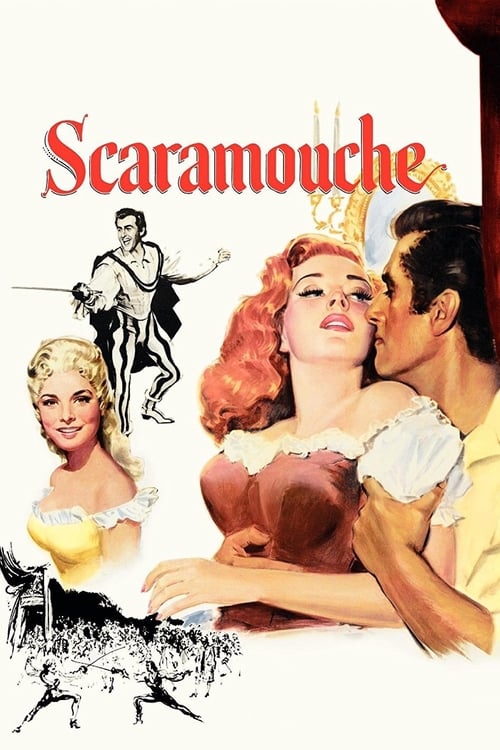
Scaramouche
1952
No user ratings available yet
Representation score: 1.2 out of 10
Representation Score
Limited
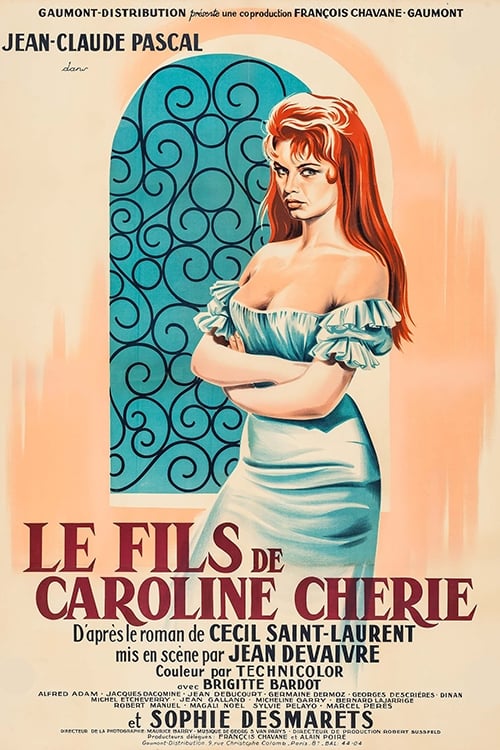
1955
Director
Jean Devaivre
Runtime
105 minutes
Average Rating
No ratings yetNew Showbiz Analysis
Caroline and the Rebels is a conventional mid-century adventure-romance that prioritizes genre-driven storytelling over social critique. The plot centers on the evolution of a male protagonist, reinforcing traditional patriarchal structures and straight-centered courtship patterns common to 1950s cinema. While the Spanish setting offers a departure from Anglo-Saxon landscapes, the film remains anchored in European heritage and classical narrative arcs. It lacks the depth or systemic questioning found in more modern or subversive works. Ultimately, the film serves as a period piece reflecting the standard cinematic conventions of its time, emphasizing masculine ability to act and romantic clichés.
Category Breakdown
The film does not include non-cisgender identities or same-sex relationships. It focuses on traditional romantic clichés centered around a charismatic male character.
The story emphasizes masculine development and romantic conquest. The male protagonist's charisma and social influence drive the plot.
Set in 19th-century Spain, the film presents a non-Anglo-Saxon backdrop. However, it seems rooted in the conventional European casting norms of the time.
The narrative follows established Western storytelling traditions. It focuses on individual heritage and romance without critiquing religious or social institutions.
There is no indication of characters with visible or invisible disabilities in the narrative.
Present on Screen
Limited or Absent
Official Synopsis
A French officer and his sister develop an inappropriate attraction, leading to comical misadventures and an unexpected twist that brings them closer despite their forbidden desire.
1952

1964

1951
1940

1955
1935
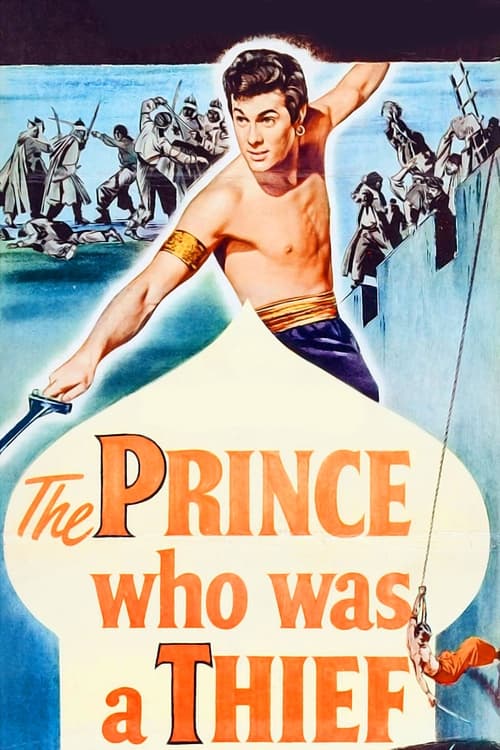
1951

1940
No reviews yet. Be the first to share your thoughts on this movie!
Use the rating form above to leave a star rating and optional review.