
Colossus and the Headhunters
1963
No user ratings available yet
Representation score: 3.4 out of 10
Representation Score
Limited
1964
Director
Emimmo Salvi
Runtime
94 minutes
Average Rating
No ratings yetNew Showbiz Analysis
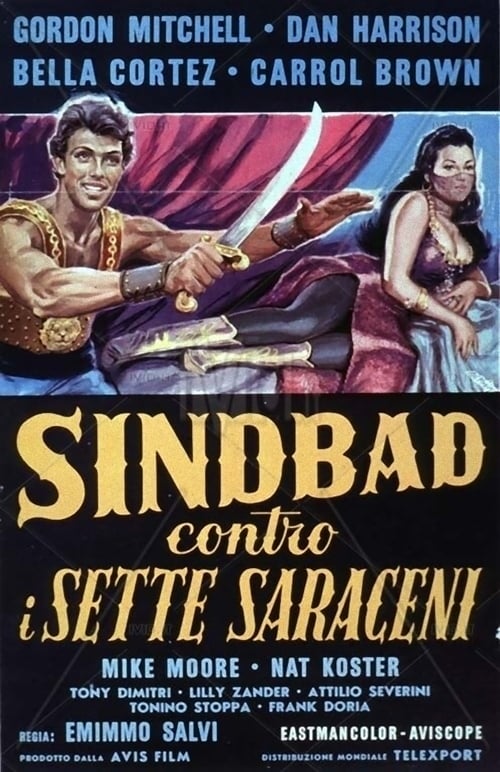
Ali Baba and the Seven Saracens is a quintessential product of 1960s adventure cinema. It prioritizes archetypal heroism and romantic tension over any meaningful disruption of social or identity-based hierarchies. The film relies heavily on established genre conventions, using a Middle Eastern setting as an exoticized backdrop. While the cast and setting are non-Western, the narrative framework remains rooted in traditional Western storytelling. Ultimately, the film functions as a standard piece of mid-century escapism. It focuses on the conflict between a revolutionary leader and a monarchy through a lens of conventional gender and romantic clichés.
Category Breakdown
The film focuses on heterosexual romantic clichés. The plot centers on the attraction between the protagonist and the king's niece, with no indication of diverse gender identities.
Female characters appear to follow traditional 1960s hierarchies. The female lead is a central figure of attraction, yet her role is defined by her relationships to the male leads.
The setting utilizes Middle Eastern and Saracen historical contexts. While non-Western, the film relies on Orientalist adventure clichés and exoticized backdrops common to the era.
The story follows a standard good versus evil struggle between a rebel and a king. It adheres to traditional Western storytelling structures rather than nuanced cultural critiques.
There is no mention of characters possessing visible or invisible disabilities within the narrative.
Present on Screen
Limited or Absent
Official Synopsis
A rebel leader returns to his city for a final confrontation with the evil king he is fighting. However, he finds himself attracted to the king's beautiful niece.
1963
1924
1971
1940
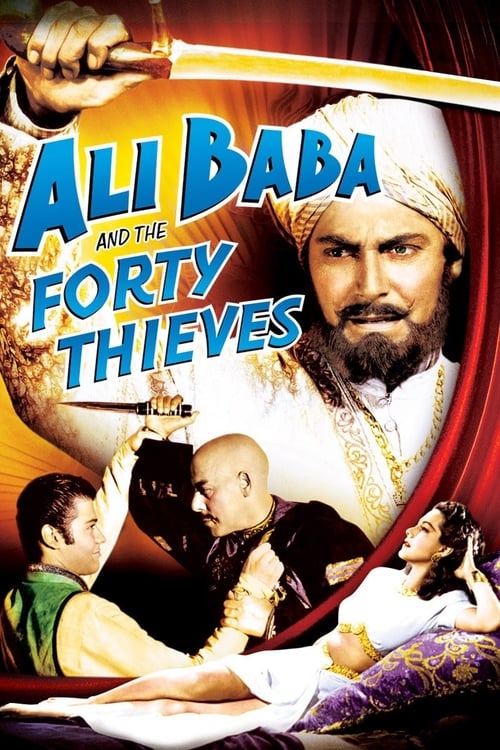
1944
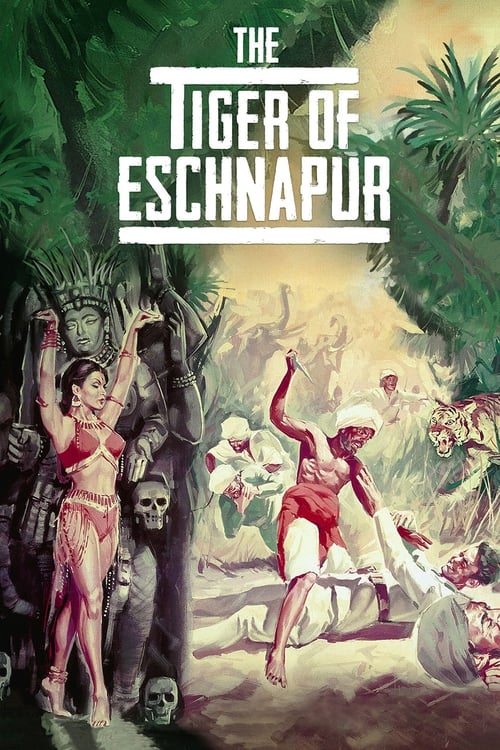
1959
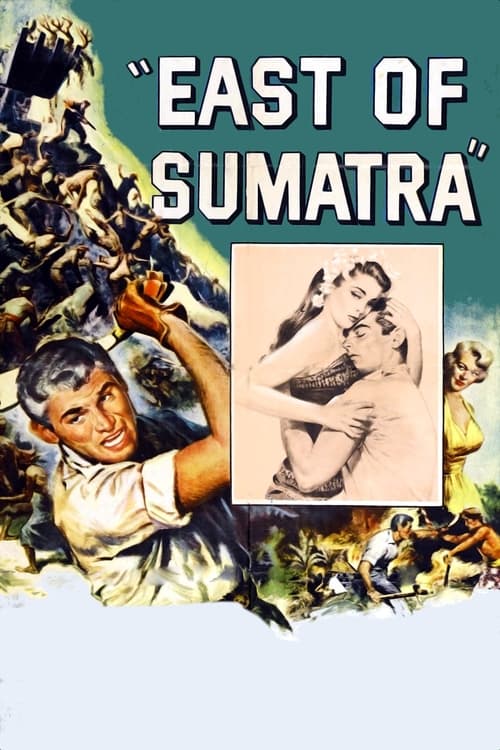
1953
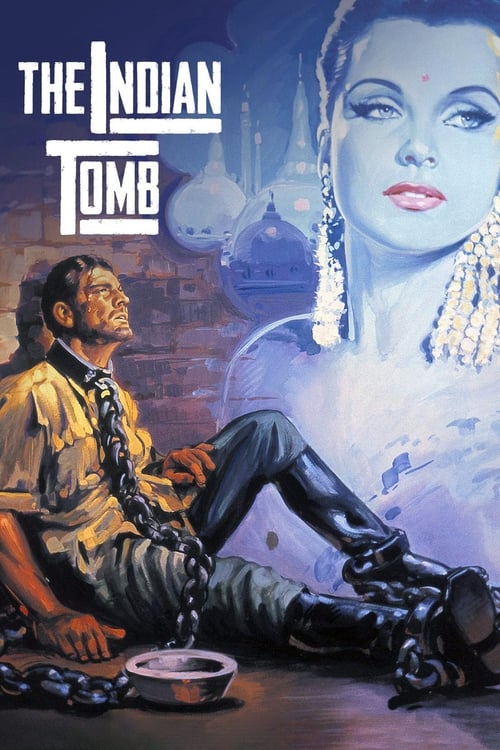
1959
No reviews yet. Be the first to share your thoughts on this movie!
Use the rating form above to leave a star rating and optional review.