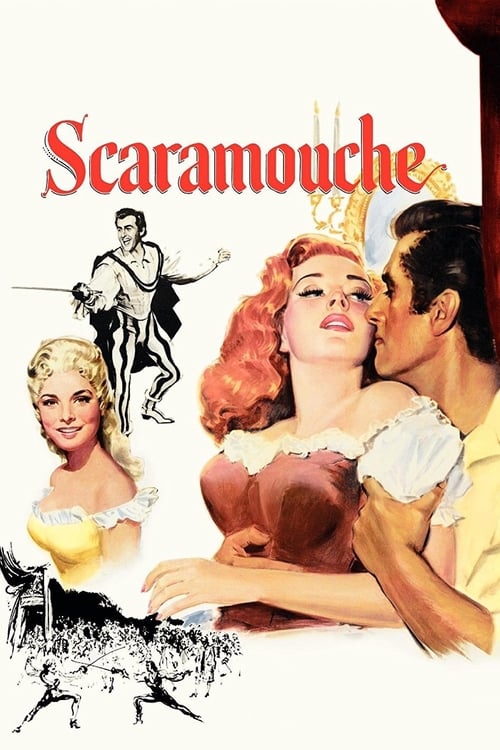
Scaramouche
1952
No user ratings available yet
Diversity score: 2.9 out of 10

1922
Director
Allan Dwan
Runtime
133 minutes
Average Rating
No ratings yetSynopsis
Amid big-budget medieval pageantry, King Richard goes on the Crusades leaving his brother Prince John as regent, who promptly emerges as a cruel, grasping, treacherous tyrant. Apprised of England's peril by message from his lady-love Marian, the dashing Earl of Huntingdon endangers his life and honor by returning to oppose John, but finds himself and his friends outlawed, with Marian apparently dead. Enter Robin Hood, acrobatic champion of the oppressed, laboring to set things right through swashbuckling feats and cliffhanging perils!
Overall Score
Limited
Category Breakdown
LGBTQ+ Representation
The film operates within a strictly heteronormative framework. The central romance between the Earl of Huntingdon and Marian follows conventional courtship patterns without subverting gendered intimacy.
Gender Representation
Traditional gender hierarchies dominate the adventure narrative. While Marian acts as a catalyst by alerting the hero to danger, agency remains concentrated in the male protagonist.
Racial & Ethnic Diversity
The cast is ethnically homogeneous, reflecting the cinematic constraints of 1922. The film depicts a localized English setting without including non-Anglo-Saxon perspectives.
Religious & Cultural Diversity
The story critiques institutional corruption by framing the monarchy as predatory. It emphasizes the legitimacy of resisting tyranny through the redistribution of wealth to the peasantry.
Disability Representation
The narrative lacks characters with visible or invisible disabilities. The focus remains entirely on physical prowess and swashbuckling athleticism.
Strengths
Areas for Improvement
AI Analysis
This 1922 production establishes the heroic outlaw archetype through a lens of socioeconomic justice. It prioritizes the agency of the disenfranchised, framing the fight against a corrupt regency as a moral necessity. While the film lacks intersectional representation regarding race, gender, and sexuality, its narrative architecture is significant. It challenges the sanctity of traditional institutions by portraying the ruling class as inherently exploitative. Ultimately, the film's progressive impact is limited by its reliance on binary moral structures and the social paradigms of its era.
1952
1951
1947

1951
1936
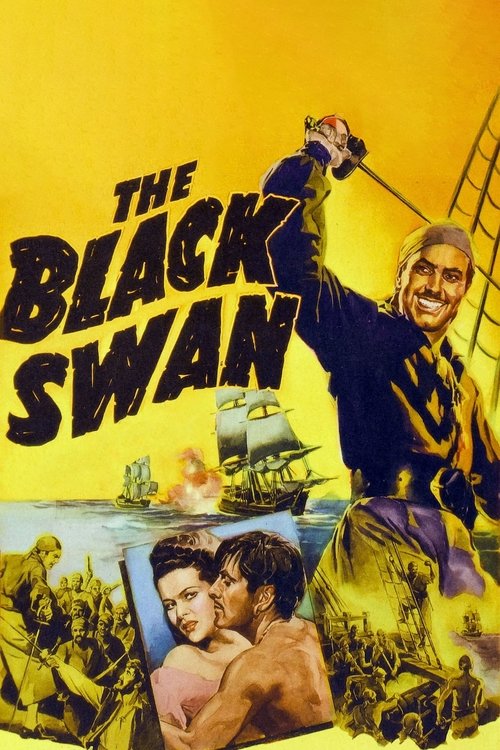
1942
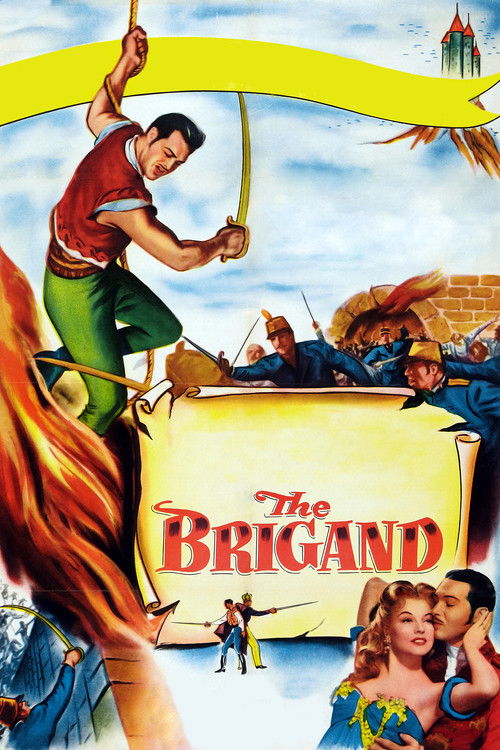
1952
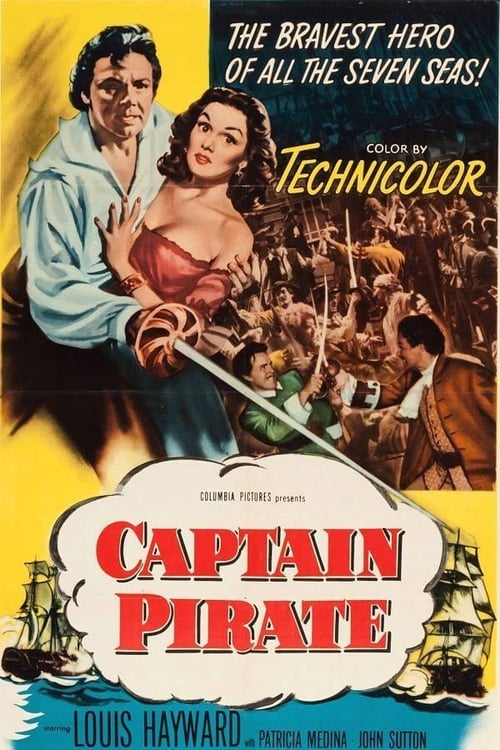
1952
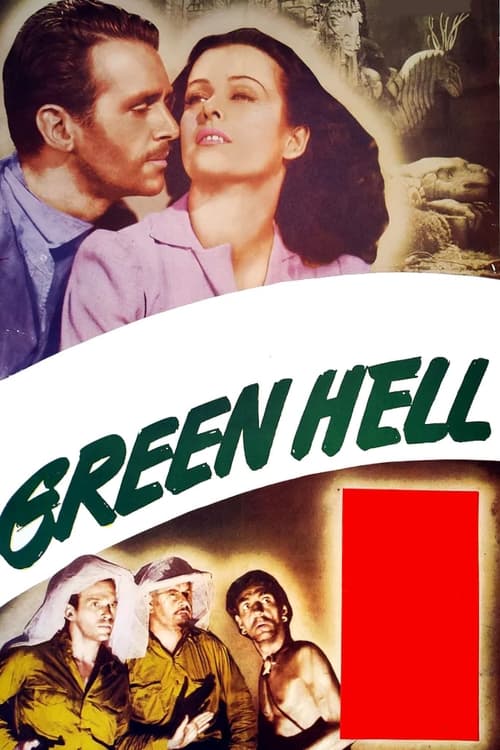
1940
1954

2013
1929
No reviews yet. Be the first to share your thoughts on this movie!
Use the rating form above to leave a star rating and optional review.