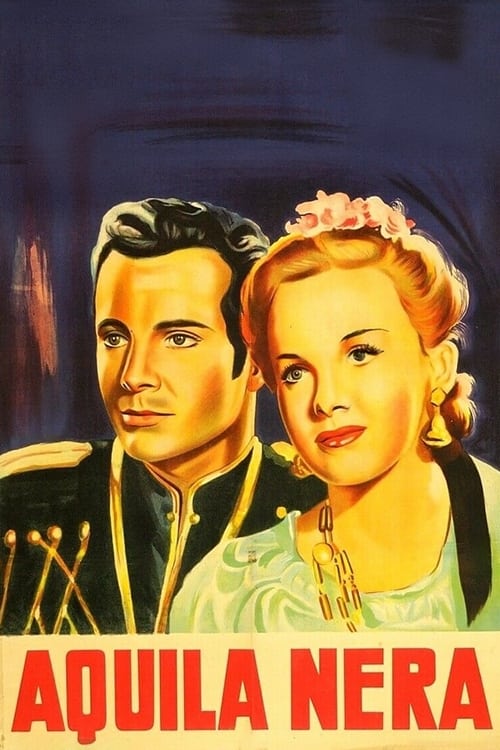
Aquila Nera
1946
No user ratings available yet
Representation score: 1.9 out of 10
Representation Score
Minimal
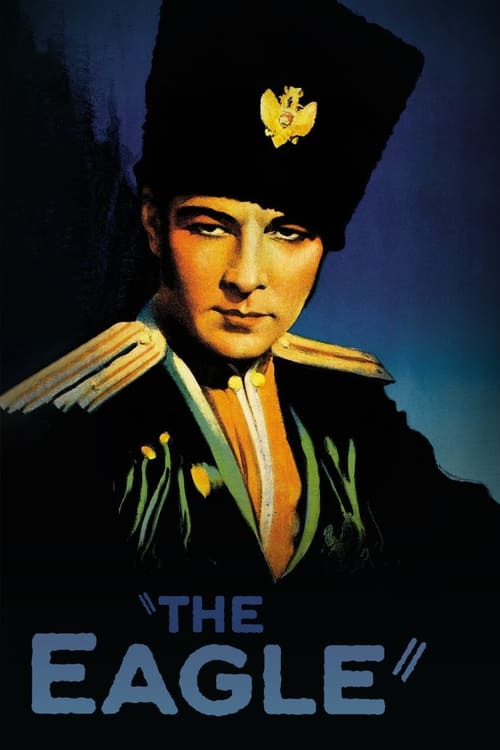
1925
NRDirector
Clarence Brown
Runtime
73 minutes
Average Rating
No ratings yetNew Showbiz Analysis
The Eagle is a classic adventure romance that upholds the traditional social and gender hierarchies of the 1920s. The story follows a typical hero's journey, emphasizing physical conflict and romantic clichés over exploring diverse identities. While the film includes a prominent female lead, the plot's progression is largely driven by the male protagonist's quest for vengeance. Set in a culturally specific Russian aristocratic context, the film limits the scope of ethnic and racial diversity. Overall, the film reflects its era by focusing on individual heroism and binary moral landscapes, rather than challenging established cultural or social norms.
Category Breakdown
The film doesn't include any characters with non-binary gender identities or same-sex relationships. The main romance revolves around a traditional heterosexual relationship between Vladimir and Mascha.
Mascha plays a key role in the romantic storyline but mainly serves as a catalyst for the male lead's growth. The story's momentum is largely driven by Vladimir's actions and his pursuit of revenge.
The cast is predominantly made up of actors portraying Russian nobility. The film focuses on a specific period in European history without showcasing diverse ethnic or racial backgrounds.
The story unfolds within the context of historical romanticism, emphasizing personal honor and individual heroism. It does not challenge broader societal or institutional issues.
The film does not feature any characters with visible or invisible disabilities. The narrative centers on physical strength and romantic tension, avoiding the exploration of neurodiversity or impairment.
Present on Screen
Limited or Absent
Official Synopsis
Vladimir Dubrouvsky, a lieutenant in the Russian army, catches the eye of Czarina Catherine II. He spurns her advances and flees, and she puts out a warrant for his arrest, dead or alive. Vladimir learns that his father's lands have been taken by the evil Kyrilla Troekouroff, and his father dies. He dons a black mask, and becomes the outlaw The Black Eagle. He enters the Troekouroff household disguised as a French instructor for Kyrilla's daughter Mascha. He is after vengeance, but instead falls in love with Mascha.
1946
1925
1925
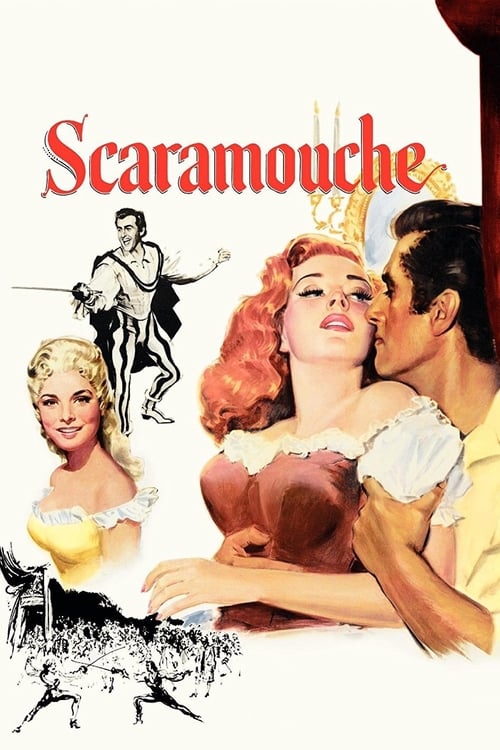
1952
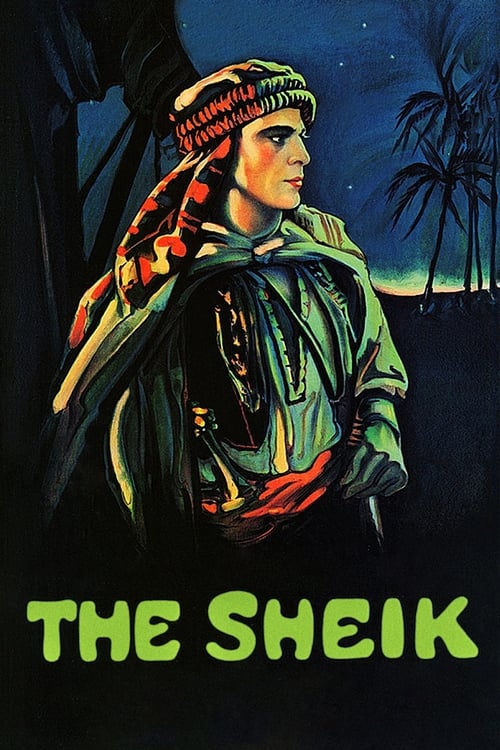
1921
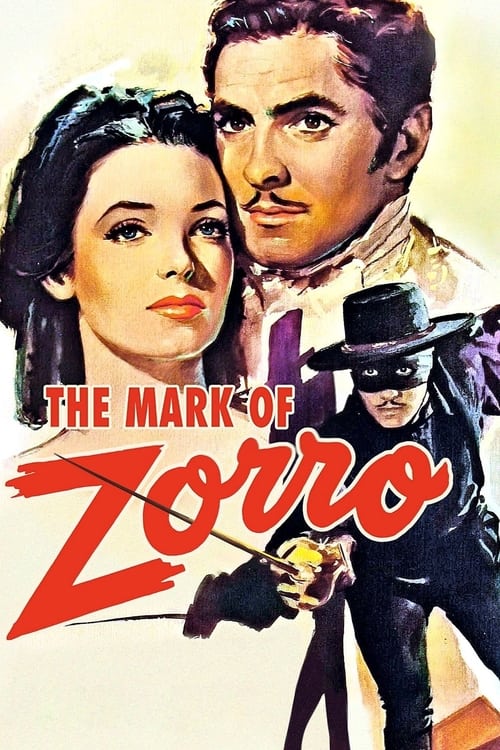
1940
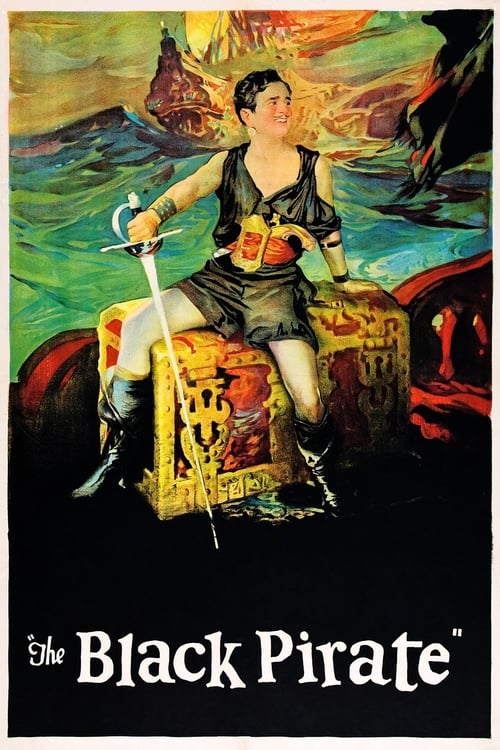
1926
1959
No reviews yet. Be the first to share your thoughts on this movie!
Use the rating form above to leave a star rating and optional review.