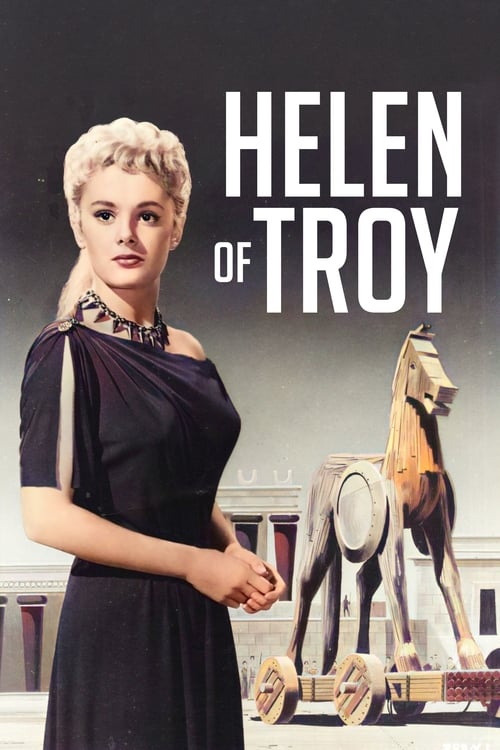
Helen of Troy
1956
No user ratings available yet
Representation score: 0.4 out of 10
Representation Score
Minimal
1955
NRDirector
George Sidney
Runtime
95 minutes
Average Rating
No ratings yetNew Showbiz Analysis
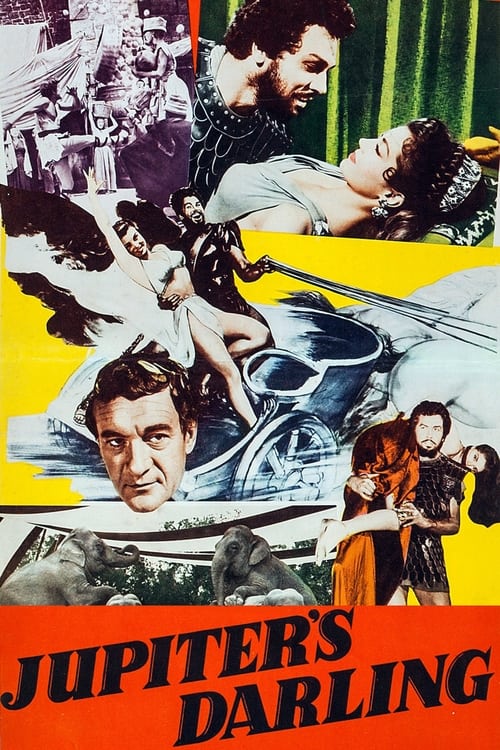
Jupiter's Darling serves as a romantic spectacle aimed at providing mid-century escapism. It prioritizes historical archetypes and musical interludes over social complexity or the disruption of traditional hierarchies. The narrative relies on established clichés where character actions are driven by romantic pursuits, reinforcing the status quo rather than challenging the social norms of the era. Ultimately, the film remains within a closed loop of romantic and historical clichés, offering limited depth on identity or systemic critiques.
Category Breakdown
The film follows the conventions of 1950s cinema and does not include any representation of LGBTQ+ identities or non-cisgender identities.
Amytis takes an active role by traveling to Hannibal’s camp, driven by romantic curiosity. However, the film reinforces traditional gender roles of the time.
The cast is predominantly white, reflecting the casting practices of the period. The film does not explore nuanced ethnic identities through its historical setting.
The film focuses on romantic escapism and spectacle, avoiding any critique of social issues or engagement with anti-colonial themes.
There are no visible or invisible disabilities portrayed within the primary cast. Characters are presented as idealized, able-bodied romantic leads.
Present on Screen
Limited or Absent
Official Synopsis
Rome is on the verge of being conquered by Hannibal. While Rome's ruler, Fabius Maximus, plots a defense against Hannibal's armies, Fabius' fiancée, Amytis, is curious about the fearless conqueror. Amytis travels to Hannibal's camp just to get a look at him, but she ends up being captured. However, she is instantly smitten by the Carthaginian commander, so she tries to shift his attentions away from Rome -- and to her instead.
1956
1963
1959

1951

1953

1970

1961

1959
No reviews yet. Be the first to share your thoughts on this movie!
Use the rating form above to leave a star rating and optional review.