
The World of Apu
1959
No user ratings available yet
Representation score: 6.6 out of 10
Representation Score
Fair
1969
Not RatedDirector
Mrinal Sen
Runtime
96 minutes
Average Rating
No ratings yetNew Showbiz Analysis
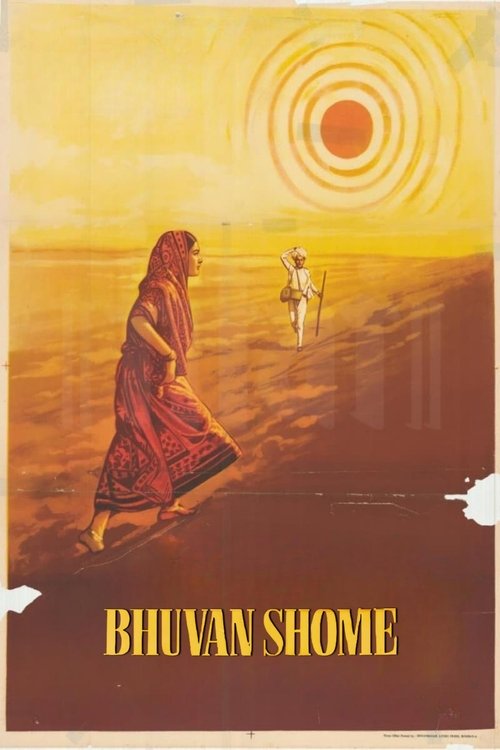
Mrinal Sen’s work is a landmark of the Indian New Wave, using social realism to challenge established power structures. The film stands out by subverting the 'disciplinarian' archetype and criticizing the impersonal nature of colonial-era bureaucracy. Despite the lack of explicit LGBTQ+ representation, the film excels in its cultural authenticity and nuanced portrayal of women's ability to drive the story. It moves away from escapist, hierarchical norms to favor psychological realism. Ultimately, the film’s progressive nature is evident in its deconstruction of traditional social orders and its commitment to a localized, culturally specific reality.
Category Breakdown
The film does not include characters or stories that explore LGBTQ+ identities. The main focus is on the protagonist's personal journey within a traditional setting.
The film challenges gender stereotypes by emphasizing the protagonist's growth through her actions. Shanti is portrayed as a strong force for change, avoiding the submissive roles often seen in mainstream films.
As a key work in Bengali cinema, the film offers authentic representation of local identity. It avoids homogenized casting by focusing on the unique cultural textures of rural and small-town West Bengal.
The film critiques post-colonial institutions by showing a bureaucrat's shift towards spontaneity. It emphasizes a humanistic, localized existence over rigid, mechanical state structures.
The film does not prominently feature characters with disabilities as central plot drivers.
Present on Screen
Limited or Absent
Official Synopsis
Bhuvan Shome is a lonely widower, a proud old man and a strict disciplinarian. Looking back on the trodden path, strewn with staunch determination and drab attitudes, Bhuvan Shome, a thoroughly unenchanted man, seeks escape in a holiday.
1959
1955

1966
1951

1960

1963
1989

1984
No reviews yet. Be the first to share your thoughts on this movie!
Use the rating form above to leave a star rating and optional review.