
Bhuvan Shome
1969
No user ratings available yet
Diversity score: 6.4 out of 10
1989
Director
Mrinal Sen
Runtime
102 minutes
Average Rating
No ratings yetSynopsis
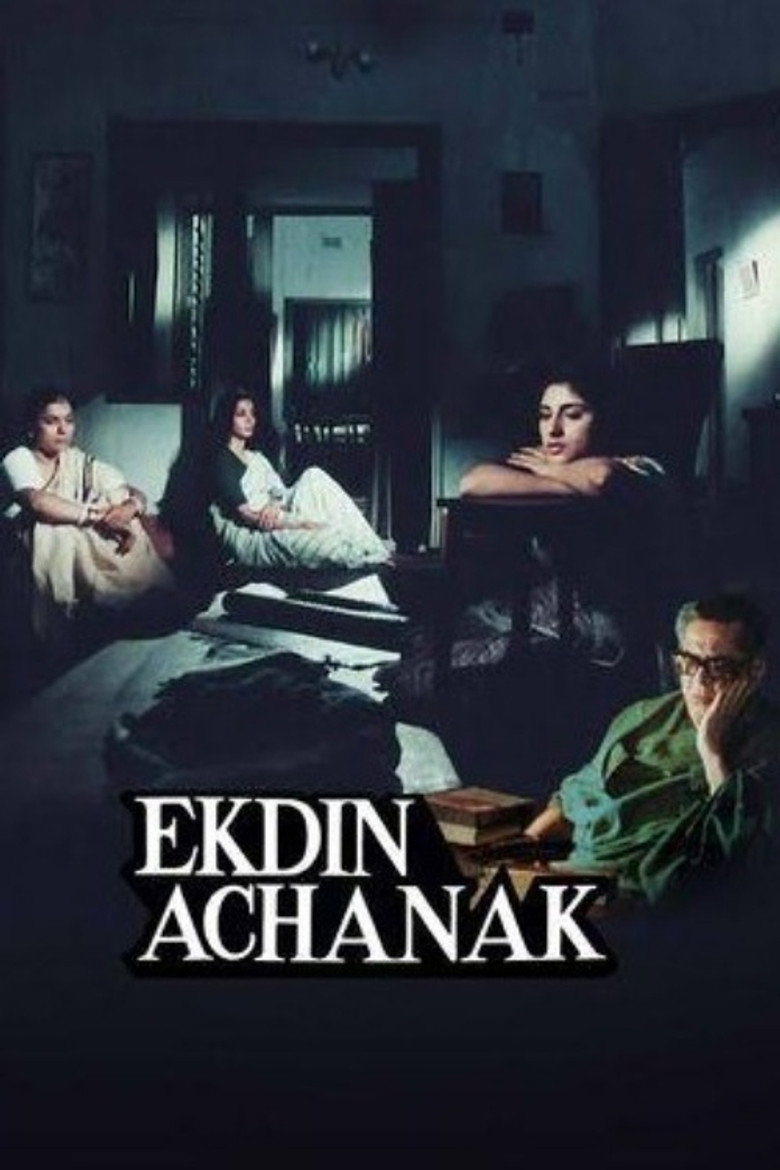
Shasanka is a retired teacher who lives with his wife and two daughters. The family is thrown into an uproar after he goes out for a walk and disappears from their lives. Each member of the family reviews her final hours and days with him to try and discover what, if anything led to his disappearance.
Overall Score
Fair
Category Breakdown
LGBTQ+ Representation
The film focuses strictly on a heteronormative middle-class Bengali family. There is no evidence of queer subtext or non-cisnormative identities within the plot.
Gender Representation
The narrative disrupts patriarchal hierarchies by centering the agency and emotional labor of the wife and daughters. It prioritizes female subjectivity following the patriarch's disappearance.
Racial & Ethnic Diversity
The film provides a culturally authentic portrait of an urban Bengali household. It avoids homogenized portrayals by focusing on specific regional identities and social realities.
Religious & Cultural Diversity
The story explores the fragility of middle-class stability through social realism. It deconstructs the idealized family unit by focusing on individual grief and domestic sociology.
Disability Representation
There are no prominent depictions of physical or neurodivergent disabilities that serve as central narrative drivers in this work.
Strengths
Areas for Improvement
AI Analysis
Mrinal Sen’s drama succeeds as a sophisticated study of social realism, primarily through its subversion of traditional gender roles. By shifting the focus from the missing patriarch to the surviving women, the film grants them significant narrative agency and psychological depth. While the film lacks representation for LGBTQ+ identities or disabilities, it offers a nuanced, culturally specific look at Bengali domestic life. This commitment to regional authenticity provides a meaningful departure from more homogenized cinematic tropes. Ultimately, the film's strength lies in its ability to dismantle the myth of the infallible patriarch, replacing it with a complex, multi-vocal exploration of a family in crisis.
1969
1982

1979

1984
2003

2017
2012
1970
2012
2006
1974
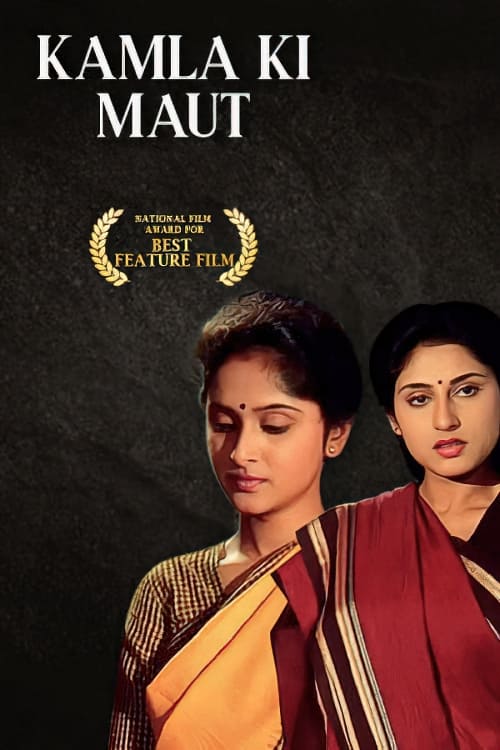
1989
No reviews yet. Be the first to share your thoughts on this movie!
Use the rating form above to leave a star rating and optional review.