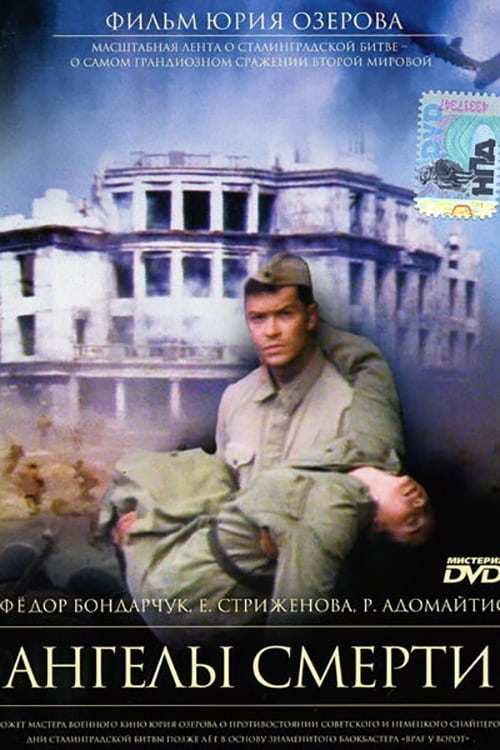
Angels of Death
1993
No user ratings available yet
Representation score: 2.2 out of 10
Representation Score
Limited
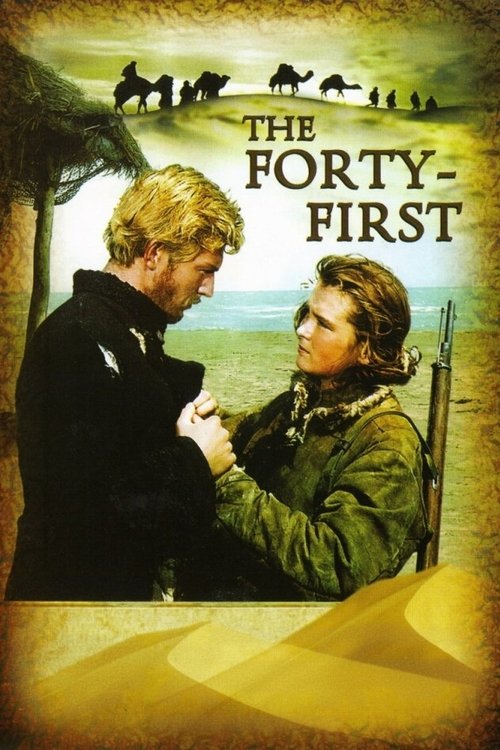
1956
Director
Grigoriy Chukhray
Runtime
88 minutes
Average Rating
No ratings yetNew Showbiz Analysis
The film stands out by presenting a capable female combatant who challenges traditional gender roles and wartime heroism. However, it lacks representation of LGBTQ+ identities, diverse racial backgrounds, and disabilities, reflecting the historical context of the Russian Civil War. Ultimately, the film's strength lies in its nuanced exploration of morality and decay of monarchist institutions, while its limitations stem from its historical focus.
Category Breakdown
The film focuses on the romantic and ideological tension between a male officer and a female sniper. There are no representations of non-straight or non-cisgender identities.
Lyuba, a Red Army sniper, challenges traditional gender roles by being a highly capable combatant. Her professional competence and active role in the story avoid the damsel in distress stereotype.
The cast is primarily made up of actors representing ethnic Russian and Soviet backgrounds, reflecting the historical context of the Russian Civil War. The film does not include diverse casting that reflects modern perspectives that reflect multiple aspects of identity.
The film explores the decay of monarchist institutions by showing the White Army as a declining force. It uses moral relativism to highlight the tension between human connections and rigid systemic structures.
There are no prominent depictions of physical or cognitive disabilities in the film.
Present on Screen
Limited or Absent
Official Synopsis
An unexpected romance occurs for a female Red Army sniper and a White Army officer.
1993

1959

1959
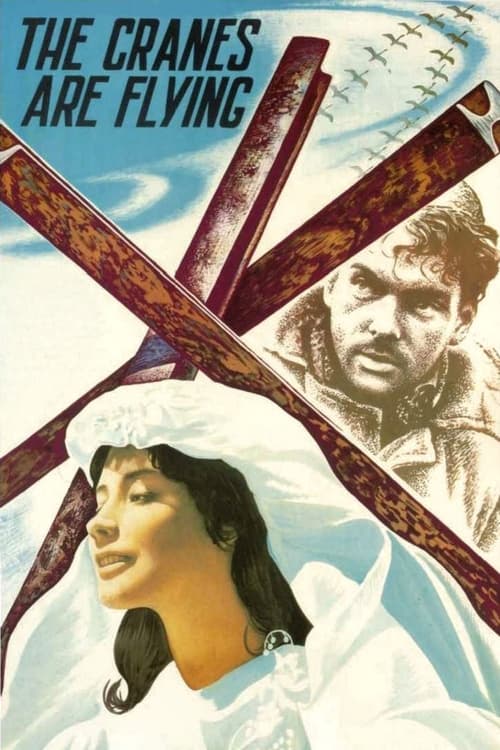
1957
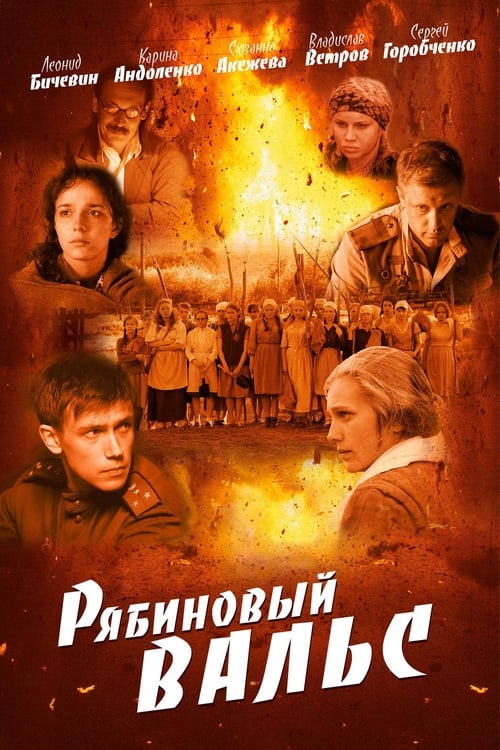
2010
2021
1994
1965
No reviews yet. Be the first to share your thoughts on this movie!
Use the rating form above to leave a star rating and optional review.