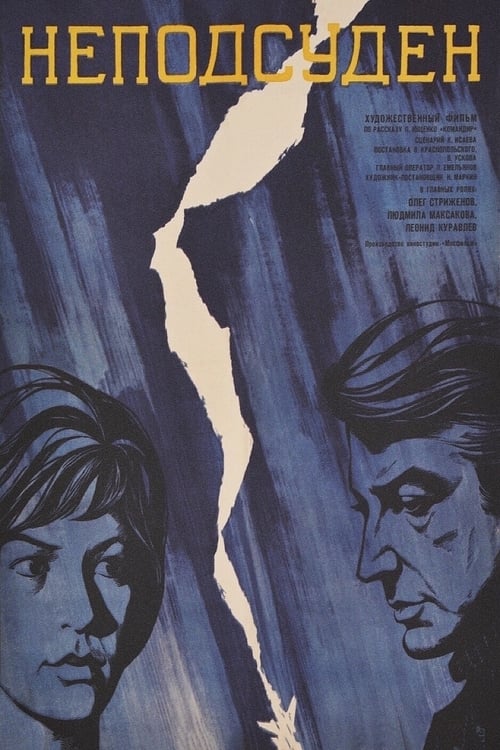
Not Under the Jurisdiction
1969
No user ratings available yet
Representation score: 3.3 out of 10
Representation Score
Limited
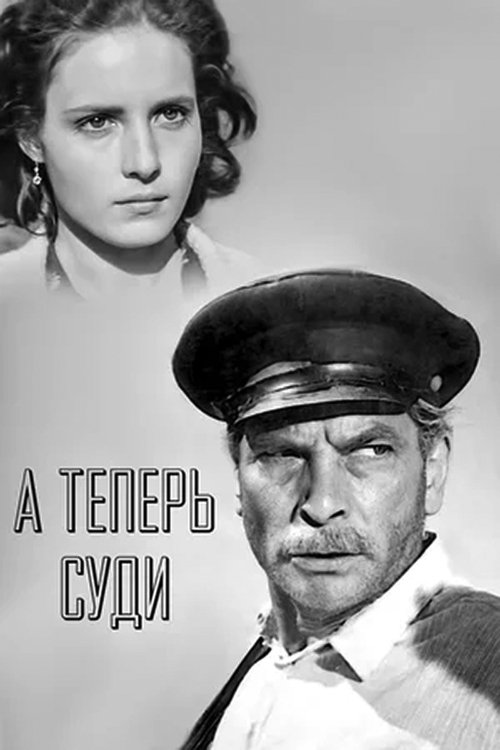
1966
Director
Vladimir Dovgan
Runtime
92 minutes
Average Rating
No ratings yetNew Showbiz Analysis
Now Judge... (1966) is a somber exploration of wartime trauma and the breakdown of the traditional nuclear family. It avoids glorifying the heroic soldier image, focusing instead on the destructive impact of rigid morality. The film effectively dismantles social hierarchies and moral certainties, offering a critique of traditional stability through its portrayal of domestic chaos. Despite lacking modern identity-based representation, it provides a sophisticated critique of societal and artistic norms. Ultimately, the work rejects formalist structures, favoring a chaotic, subjective truth over polished, artificial art.
Category Breakdown
The film does not include any characters with LGBTQ+ identities or non-cisgender traits. The main storyline focuses solely on heterosexual relationships and family lineage.
The story challenges traditional male dominance by showing the protagonist's struggle to maintain his authority. Female characters play crucial roles in the unfolding tragedy, although their influence is mostly reactive.
The narrative mentions an Italian officer, adding a non-Slavic ethnic element to the plot. However, the overall story remains focused on a localized, post-war setting.
The film questions established institutions and moral absolutes by emphasizing subjective experiences over structured norms. It highlights the importance of personal, unfiltered experiences over conventional societal or artistic standards.
The film does not feature any characters with visible or invisible disabilities.
Present on Screen
Limited or Absent
Official Synopsis
The fate of Illarion Groza was tragic. Many years ago, upon returning from the front, he learned that his wife had given birth to a daughter by an Italian officer, and he shot her with his machine gun. But even now, Illarion cannot forget his wife, forgive her betrayal, or justify his cruelty. And that is why his relationship with his daughter Yulka is so dramatic and tense... The artist Bogutovsky, who lives in the captivity of false pompous art, carries the burden of past years... After hearing Illarion's story, the writer Iskra destroys the manuscript of his play: life turns out to be much more complicated than he imagined.
1969
1985
1964
1997
1982
1957

1958
1976
No reviews yet. Be the first to share your thoughts on this movie!
Use the rating form above to leave a star rating and optional review.