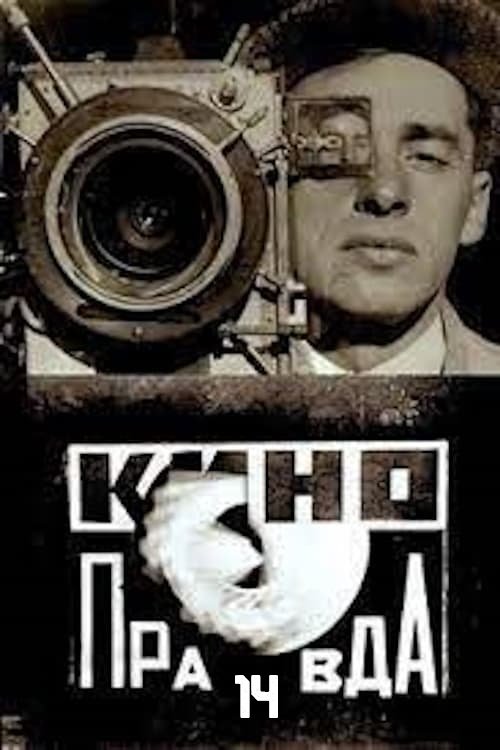
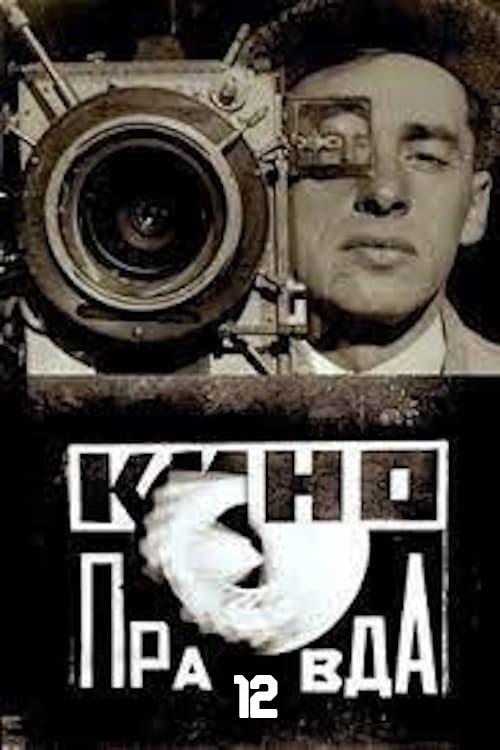
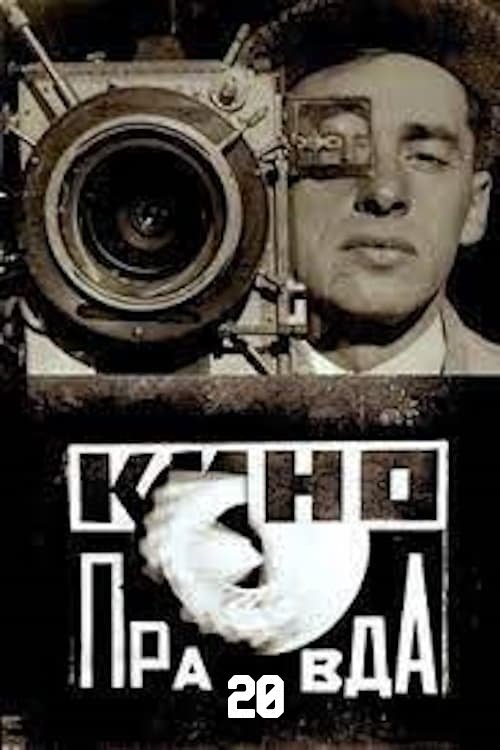
Kino-Pravda No. 14
1923
No user ratings available yet
Representation score: 4.2 out of 10
Representation Score
Fair
1922
Director
Dziga Vertov
Runtime
10 minutes
Average Rating
No ratings yetNew Showbiz Analysis
Dziga Vertov’s newsreel is a bold effort to challenge traditional cinematic and social hierarchies. By using the 'cinema-eye' technique, the film emphasizes collective reality and systemic social organization over individualistic narratives. The work effectively critiques Western capitalist structures and promotes a secular, materialist vision of progress. It uses the diverse ethnic landscape of early Soviet society to reinforce a unified, worker-centric identity. However, the film's exclusive focus on industrial energy and proletarian mobilization leads to a lack of representation of LGBTQ+ and disabled individuals. This results in a specialized, ideology-driven perspective on human experience.
Category Breakdown
The newsreel does not include any LGBTQ+ characters or non-straight relationships. The focus is on the mobilization of workers and the structure of early Soviet society.
The film challenges traditional gender roles by showing women actively participating in industrial progress. Women are portrayed as essential contributors to the workforce rather than being confined to domestic roles.
The documentary highlights a variety of ethnic groups within Soviet territories. These groups are shown as part of a unified working class identity, symbolizing collective strength.
The film presents a strong anti-capitalist message, emphasizing secular progress over traditional religious institutions. It portrays socialism as a superior alternative to religious traditions.
The film does not depict any individuals with disabilities. Its focus on industrial vigor suggests that disability was not a central theme.
Present on Screen
Limited or Absent
Official Synopsis
Lost Dziga Vertov-directed Soviet newsreel
1923

1929
1922

1927

1922
1922

1922
1924
No reviews yet. Be the first to share your thoughts on this movie!
Use the rating form above to leave a star rating and optional review.