Flanagan
1975
No user ratings available yet
Representation score: 3.5 out of 10
Representation Score
Limited
1959
NRDirector
Tom Younger
Runtime
70 minutes
Average Rating
No ratings yetNew Showbiz Analysis
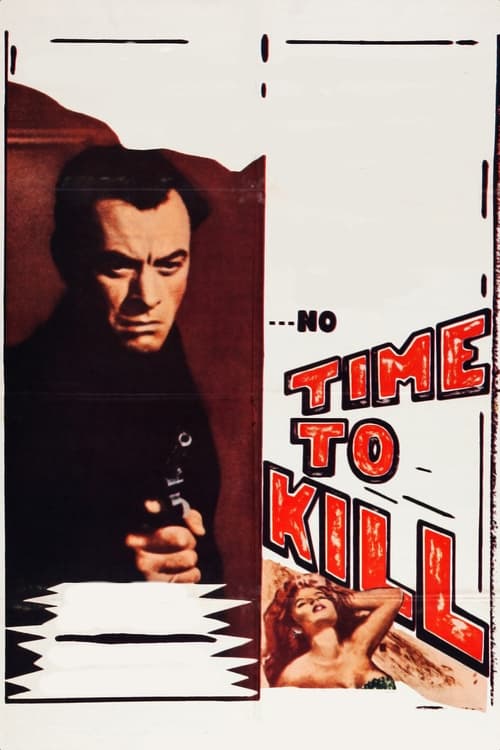
No Time To Kill is a product of its era, adhering closely to the conventional dramatic structures of the early 1960s. The narrative focuses on the actions of a single male protagonist pursuing justice, limiting broader social representation. The film lacks depth in reflecting multiple aspects of identity, focusing instead on the mechanics of a crime thriller. While it touches on systemic failure through a wrongful conviction, it does not challenge established social or cultural norms. Ultimately, the film operates as a standard genre piece, prioritizing a traditional revenge arc over diverse character perspectives or the subversion of period-typical social norms.
Category Breakdown
The film does not explicitly depict non-straight or non-cisgender identities or same-sex relationships. The story centers on the protagonist's personal journey for justice.
The plot is driven by a male protagonist seeking revenge. Female characters play secondary roles, following typical 1960s thriller conventions.
The story moves to Sweden but does not show diverse racial casting. It follows traditional Western storytelling structures common to its time.
The film critiques legal institutions through a wrongful conviction storyline. However, it adheres to established crime-thriller formulas rather than challenging social hierarchies.
There is no documented evidence of the portrayal of physical or neurodivergent disabilities in this production.
Present on Screen
Limited or Absent
Official Synopsis
A vengeful ex-con, framed and sentenced to eight years on for arson, heads to Sweden to look for the real guilty party.
1975

1949
1945
1969
1965

1975
1956
1947
No reviews yet. Be the first to share your thoughts on this movie!
Use the rating form above to leave a star rating and optional review.