
Flic Story
1975
No user ratings available yet
Diversity score: 2.6 out of 10

1994
Director
Peter Keglevic
Runtime
87 minutes
Average Rating
No ratings yetSynopsis
A gardener decides to exact revenge on the men he believes to be responsible for the death of his mentally disturbed wife.
Overall Score
Limited
Category Breakdown
LGBTQ+ Representation
The film lacks LGBTQ+ characters or narratives addressing non-cisnormative identities. The central conflict follows a traditional revenge arc without queer themes.
Gender Representation
Agency is concentrated in a male protagonist driving the plot. The female character serves as a passive motivation, framed through vulnerability and mental instability.
Racial & Ethnic Diversity
The narrative appears to follow homogeneous character archetypes. There is no indication of a diverse cast or the exploration of systemic racial dynamics.
Religious & Cultural Diversity
The story utilizes a standard crime-thriller framework focused on personal retribution. It does not prioritize secularism or critique Western institutions.
Disability Representation
Mental instability is depicted through the protagonist's wife, but primarily as a plot device. The condition serves as a tragic element rather than a source of agency.
Strengths
Areas for Improvement
AI Analysis
Stockholm Marathon operates within the strict confines of traditional crime-thriller tropes. The narrative architecture is built around a singular, male-driven revenge mission, which limits the scope of character agency and social complexity. Representation is largely conventional and homogeneous. The film relies on established archetypes, such as the grieving husband and the vulnerable, mentally unstable wife, to move the plot forward without challenging social hierarchies or exploring intersectional identities. Ultimately, the film prioritizes individualistic grievance over systemic or cultural exploration. It offers a narrow view of human experience, focusing on personal retribution rather than diverse perspectives or progressive social commentary.
1975

2004

2004
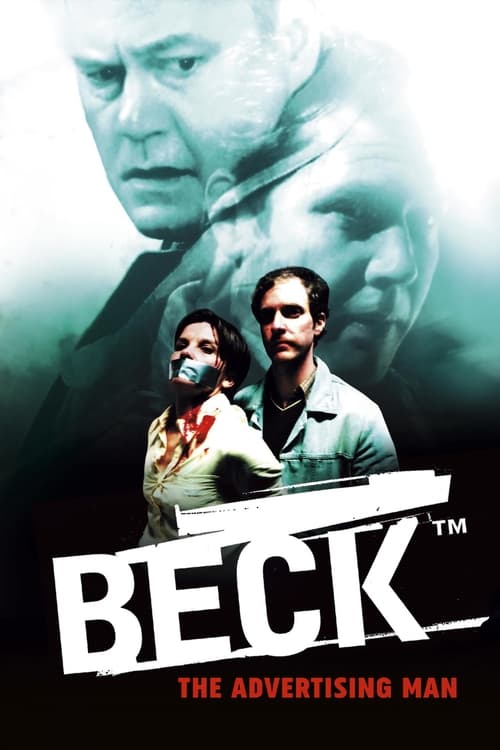
2002

1998
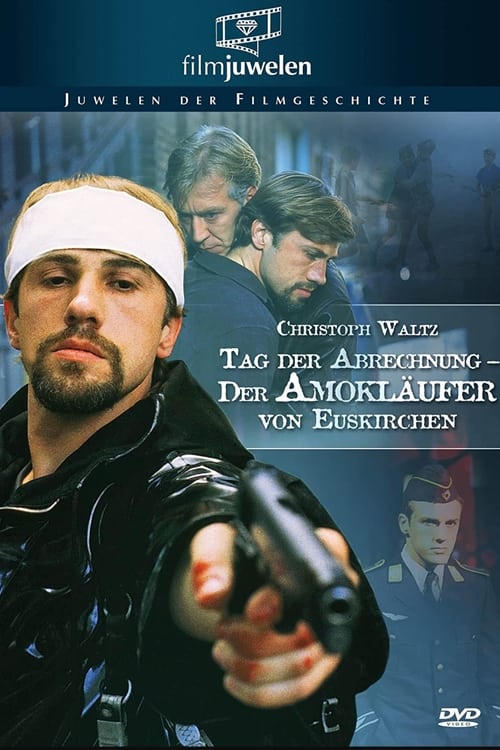
1994
No reviews yet. Be the first to share your thoughts on this movie!
Use the rating form above to leave a star rating and optional review.